Saturday, November 7, 2026

What’s the Small Round Hole on Your Nail Clipper For? A Tiny Detail with Surprising Purpose

by


What’s the Small Round Hole on Your Nail Clipper For? A Tiny Detail with Surprising Purpose

Have you ever picked up your nail clipper, noticed that tiny round hole at the end, and paused to wonder… what is that even for? You’re definitely not alone. It’s one of those everyday design details most of us overlook—but it actually has a few surprisingly practical uses.

Let’s take a closer look at this small feature and why it’s there in the first place. Spoiler: it’s not random. It’s intentional, thoughtful, and quietly useful.

Cultural Context

Nail clippers have been a staple of personal grooming since the late 19th century, evolving from bulky, ornate tools into the sleek, pocket-sized versions we know today. That little hole? It reflects a broader design philosophy that emerged in the mid-20th century: form should serve function, and even the smallest details can enhance everyday life. In an era before smartphones and smart homes, thoughtful industrial design focused on making simple tools more portable, durable, and user-friendly. The hole on your clipper is a quiet legacy of that mindset—a reminder that good design doesn’t shout; it simply works.

Appreciating thoughtful design: Noticing intentional details helps us value the craftsmanship behind everyday objects.

Maximizing utility: Understanding the hole’s purpose lets you use your clipper more effectively.


Reducing clutter: Knowing how to attach or store your clipper keeps small essentials organized and accessible.

Travel smarter: A tiny feature can make grooming on the go easier and more efficient.

Curiosity over assumption: Asking “why?” about ordinary things opens the door to small but meaningful insights.

First, a Quick Look at Nail Clipper Design

First, a Quick Look at Nail Clipper Design

Standard nail clippers are deceptively simple tools, but they’re cleverly engineered for both function and convenience. The lever, the curved blade, the file—and yes, that little round hole—are all part of a cohesive system designed for precision, portability, and ease of use.

That hole isn’t decorative. It’s a deliberate feature with multiple practical applications, depending on how you choose to use your clipper.

  1. Attaching to a Keychain (The Most Common Use)
    The primary purpose of that small hole is straightforward: portability.

You can:

Attach your nail clipper to a keychain for instant access

Hook it onto a backpack, purse, or gym bag

Keep it readily available for quick grooming fixes while traveling or commuting

This is especially useful if you like to keep a clipper handy for emergencies—like a snagged nail before a meeting or a quick trim while camping.

  1. Travel-Friendly Convenience
    That hole makes it easier to carry your clipper without losing it in the depths of a bag or pocket.

Some people:

Clip it onto toiletry bags or Dopp kits

Attach it to zipper pulls for visibility

Use it with small carabiners to organize travel essentials

It’s a tiny detail that makes a big difference when you’re trying to keep small items secure and accessible on the go.

  1. Added Grip or Leverage (Less Known Use)
    In some designs, that hole can subtly improve grip or control during use.

You can:

Insert a fingertip through the hole for better stability while trimming

Use it as a pivot point for more precise maneuvering

Anchor the clipper against a surface for controlled pressure

While not its main function, this secondary benefit can make the tool easier to handle—especially for detailed trimming or for those with limited hand dexterity.

  1. Multi-Tool Integration
    On certain nail clippers—especially compact, travel, or multi-tool versions—the hole is part of a larger modular design.

It may be used to:

Attach small accessories like mini files, tweezers, or cuticle pushers

Connect to grooming kits or modular tool systems

Work alongside built-in features for an all-in-one grooming solution

This transforms a simple clipper into a customizable component of your personal care toolkit.

Do You Recognize This Vintage Kitchen Tool? The Clever Meatball Maker People Used for Perfect Portions

by


If you grew up watching someone prepare Sunday dinner, you may have seen one tucked away in a kitchen drawer. It might look like a strange little scoop or an oddly shaped pair of metal cups, but this humble tool had a very specific job:

Making meatballs quickly, neatly, and in nearly identical portions.

And honestly, I love discovering vintage kitchen tools like this.

Modern kitchens are filled with electric appliances, silicone gadgets, food processors, and digital scales. But older kitchens often relied on wonderfully simple tools that did exactly

one thing—and did it well.

This vintage meatball maker is a perfect example.

It wasn’t flashy.

It didn’t need batteries.

It didn’t have five different settings.

You simply filled it with your meat mixture, pressed or released the mechanism, and out came a nicely portioned meatball.

Simple!

Discover more

Cheese

Salad

Cooking & Recipes

And sometimes, simple really is better.

What Is This Vintage Kitchen Tool?

The gadget is generally known as a meatball maker, meatball scoop, or meatball shaper.

Vintage versions came in several different designs. Some resembled a

small scoop, while others used two hinged halves that came together to shape the meat.

The basic idea was always the same:

portion the mixture and shape it quickly.

Instead of rolling every meatball between your palms, you could use the tool to create relatively uniform portions in a fraction of the time.

That was especially useful when preparing a large batch.

Think about making dozens of meatballs for a family gathering.

Rolling them one by one works, but it takes time.

A portioning tool makes the process much more

consistent.

Why Were Meatball Makers So Useful?

The biggest advantage was consistency.

When meatballs are roughly the same size, they cook more evenly.

A small meatball can finish cooking long before a large one, so keeping the portions similar makes the entire batch easier to manage.

Faster Preparation

This was especially helpful when making large quantities.

Instead of scooping some mixture, rolling it, adjusting the shape, and repeating the process, a meatball maker streamlined the job.

Scoop.

Press.

Release.

Repeat.

More Uniform Portions

Uniform meatballs don’t just look nicer.

They

also make it easier to estimate servings and cooking times.

Less Mess

Depending on the design, a meatball maker could reduce how much meat mixture ended up stuck to your hands.

And if you’ve ever made a huge batch of meatballs, you know exactly how helpful that can be!

How Did a Vintage Meatball Maker Work?

The exact mechanism depended on the design.

Some vintage models worked much like a small ice-cream scoop.

You packed the meat mixture into the bowl of the tool and used the release mechanism to

help remove the shaped portion.

Other designs had two hinged sections.

The meat mixture was placed inside, the handles were pressed together, and the two sides shaped the meat into a relatively uniform ball.

The clever part wasn’t complicated engineering.

It was simply combining portioning and shaping into one motion.

And that’s what makes old kitchen gadgets so fascinating.

The Clever Idea Behind It

At first glance, a meatball maker may seem unnecessary.

After all, people had been making meatballs by hand for generations.

But that’s precisely what makes the

gadget clever.

It solved a very specific kitchen problem:

How do you make many similarly sized meatballs without spending forever rolling them by hand?

The answer was a small mechanical tool.

No electricity.

No complicated machinery.

Just leverage, portion control, and a little ingenuity.

Why Perfect Portions Matter

When you’re cooking meatballs, consistency matters more than you might think.

Imagine putting ten meatballs into a simmering sauce.

Discover more

Cooked

Salads

Salad

If five are small and five are twice their size, they’re unlikely to finish cooking at the same

time.

Uniform portions help create a more predictable result.

They also make a finished dish look more polished.

Whether you’re serving spaghetti and meatballs, Swedish-style meatballs, meatball subs, or a platter of appetizers, similarly sized meatballs simply look more appealing.

Vintage Kitchen Tools Were Often Built Around One Simple Problem

This is one of my favorite things about older kitchen equipment.

A vintage gadget often wasn’t designed to do twenty different jobs.

Instead, it was designed to solve one annoying problem.

There were tools for coring apples, slicing eggs, separating

gravy, shaping cookies, chopping vegetables, removing pits, and making specific foods easier to prepare.

The meatball maker fits perfectly into that tradition.

It wasn’t trying to replace the entire kitchen.

It was simply there to make one repetitive task easier.

The Nostalgia of Making Meatballs

There’s also something wonderfully nostalgic about homemade meatballs.

For many families, meatballs are connected to Sunday dinners, family gatherings, holidays, recipes passed from one generation to another, and kitchens filled with the smell of simmering tomato sauce.

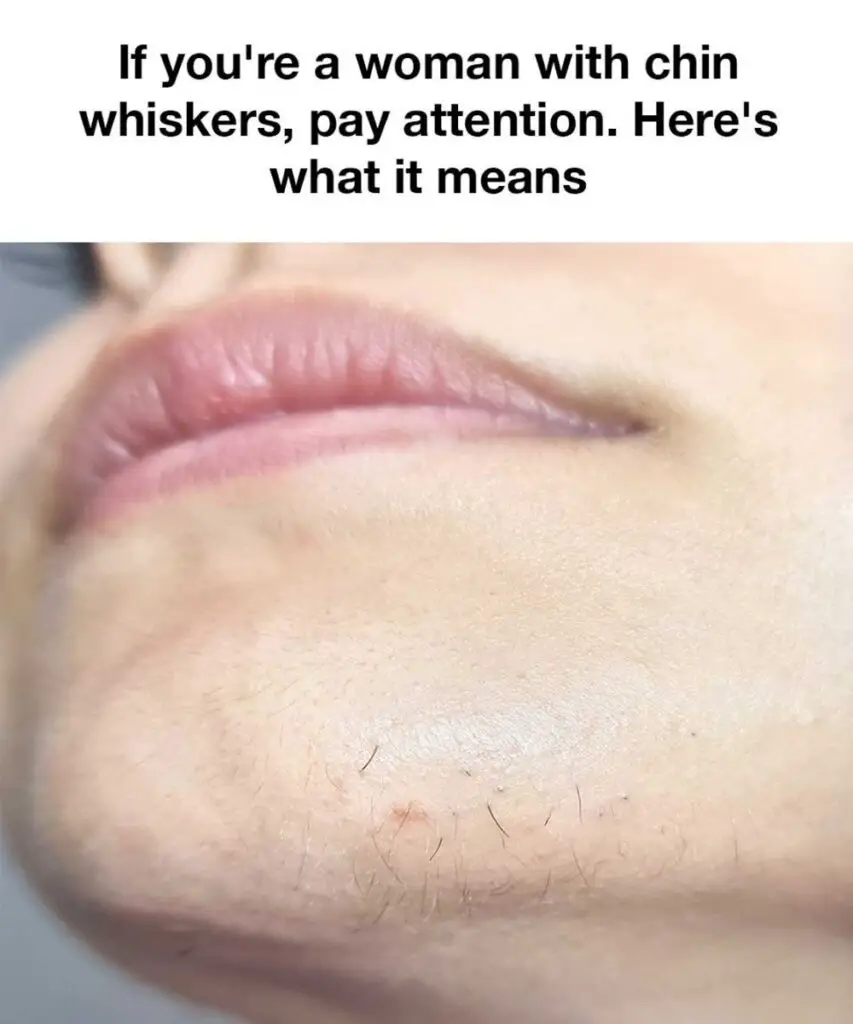
Surprised by Chin Whiskers? You’re Not Alone

by


🌸 Introduction: The Silent Struggle Many Women Face

Waking up to discover a stray chin hair-or several-can feel frustrating, confusing, and sometimes embarrassing. But here’s the truth: you’re not alone. Many women experience chin whiskers at some point in their lives, and while society often treats it as a taboo topic, it’s actually quite common and very natural.

Understanding why chin hair appears, what it means for your health, and how to manage it can help you approach the issue with more confidence and less stress.


The Purple Flag at the Beach: What It Really Means (And Why You Should Pay Attention)

by


You know the drill:


Green flag = All clear! Dive in!


Yellow = Caution—moderate hazards


Red = Stay out! Dangerous conditions


Double red = Water closed. Period.Geographic Reference


But then… there’s that purple flag fluttering quietly beside them. No drama. No sirens. Just a soft violet warning most beachgoers walk right past.


I remember the first time I saw a purple flag. I was at a beach in Florida, slathering on sunscreen, scanning for waves, and I noticed this lone purple flag off to the side. I assumed it was decorative. Maybe a beach club banner. Maybe someone’s idea of “fun.”


I asked a lifeguard, “What’s the purple flag for?”


He said, “Marine pests. Jellyfish, stingrays, sea lice—that kind of thing. It means watch where you step and swim.”


I’d never heard of such a thing. And I realized that most beachgoers haven’t either. They see green, yellow, red. Purple is just… there.


So what does it mean?


Marine pests are present. And no—it’s not about “annoying bugs.” It’s about stinging, biting, or venomous sea life that can turn your perfect beach day into a painful memory.


Let me break down everything you need to know about the purple flag—what it means, what marine pests to watch for, and how to protect yourself and your family.


The Beach Flag System: A Quick Refresher


Before we dive into purple, let’s review the standard flag system used on most public beaches in the United States.


Flag Color Meaning What You Should Do


Green Calm conditions, low hazard Safe swimming. Still exercise normal caution.


Yellow Moderate conditions, medium hazard Swim with caution. Weak swimmers should stay close to shore.


Red High hazard, dangerous conditions Stay out of the water. Strong currents, high waves, or dangerous surf.


Double Red Water closed to public Do not enter. Violators may be ticketed or rescued.


Purple Marine pests present Be aware of jellyfish, stingrays, sea lice, etc. Swim at your own risk.


Important: Some beaches also use a red-over-yellow flag to indicate that lifeguards are on duty (but this is less common). Always check local signage, as flag systems can vary by region.Geographic Reference


What Does the Purple Flag Actually Mean?


The purple flag indicates that dangerous marine life has been spotted in the area.Geographic Reference


What qualifies as “marine pests”:


Jellyfish (various species, some highly venomous)


Stingrays (their barbed tails can cause painful wounds)


Sea lice (tiny jellyfish larvae that cause itchy, painful rashes)


Portuguese man o’ war (not a true jellyfish, but extremely painful)


Fire coral (causes burning rashes)


Sea urchins (their spines can puncture skin)


Weever fish (venomous spines)


Sharks (rare, but some beaches use purple to indicate shark sightings)


What the purple flag does NOT mean:


The water is closed (you can still swim)Bottled Water


The beach is unsafe (just be aware)


There’s a guarantee you’ll encounter marine pests (just a warning that they’ve been sighted)


The key word: Awareness. The purple flag is not an order to stay out of the water. It’s a reminder to watch where you step, look before you leap, and swim with your eyes open.


The Most Common Marine Pests (And What to Do If You’re Stung)


Let me walk you through the most frequent purple flag culprits.


1. Jellyfish (The Most Common)


Jellyfish are found in oceans worldwide. Their tentacles contain nematocysts (stinging cells) that fire when touched.


Symptoms of a jellyfish sting:


Immediate burning pain


Red, raised welts (often in a “whip” pattern)


Itching, swelling, numbness


Severe reactions: difficulty breathing, chest pain, muscle cramps (rare, but seek emergency care)


What to do:


Rinse with vinegar (if available). Vinegar neutralizes the stinging cells of many jellyfish species.


Do NOT rinse with fresh water (fresh water can cause unfired stinging cells to discharge, making it worse).


Remove tentacles with tweezers or a gloved hand (don’t use bare fingers).


Apply heat (hot water immersion or hot packs) – heat breaks down the venom proteins.Bottled Water


Take antihistamines for itching and swelling.


What NOT to do:


Don’t rub the area (can release more venom).


Don’t apply ice (cold can worsen some jellyfish stings).


Don’t use urine (this is a myth – it can actually make things worse).


Seek emergency care if: Difficulty breathing, chest pain, muscle cramps, nausea, or if the sting covers a large area.


2. Stingrays (The Bottom-Dwellers)


Stingrays bury themselves in sandy, shallow waters. They’re not aggressive, but if you step on one, their tail barb can puncture your foot or leg.


Symptoms of a stingray sting:


Immediate, intense, throbbing pain


Bleeding from the puncture wound


Swelling, discoloration


Nausea, vomiting, muscle cramps (severe reactions)


What to do:


Immerse the wound in hot water (as hot as you can tolerate without burning, 110-115°F). Heat breaks down the venom.


Remove any visible barb (if easily accessible – don’t dig).


Clean the wound with soap and water.


Control bleeding with direct pressure.


Seek medical attention (stingray wounds are prone to infection, and the barb may leave fragments).


Pro tip: Do the “stingray shuffle” – slide your feet along the sandy bottom instead of lifting and stepping. This alerts stingrays to your presence, and they’ll swim away rather than being stepped on.


3. Sea Lice (Tiny Terrors)


Sea lice aren’t actually lice. They’re the larvae of certain jellyfish and sea anemones. They’re nearly invisible, but they pack a punch.


Symptoms of sea lice “stings”:


Intense itching and redness


Small, raised welts (often under swimsuit areas – because the larvae get trapped between fabric and skin)Swimwear


Rash appears hours after leaving the water


What to do:


Shower immediately after leaving the water (rinse off larvae before they sting).


Wash swimsuits in hot water and detergent.


Apply hydrocortisone cream or calamine lotion for itching.


Take oral antihistamines (Benadryl, Zyrtec, Claritin) for severe itching.Bottled Water


Prevention: Wear a rash guard or tightly woven swimsuit. Shower as soon as you leave the water. Don’t sit around in a wet swimsuit.


4. Portuguese Man o’ War (Not a Jellyfish, But Just as Painful)


The Portuguese man o’ war is a colonial organism (multiple animals living together). Its long tentacles can deliver an extremely painful sting, even to beached specimens.


Symptoms:


Immediate, severe, burning pain


Red, whip-like welts


Fever, muscle cramps, weakness (severe reactions)


What to do:


Rinse with vinegar (to neutralize unfired stinging cells).


Do not rub (can trigger more stinging).


Remove tentacles with tweezers or a gloved hand.


Apply heat (hot water immersion).


Seek medical attention for severe pain or systemic symptoms.


Important: Man o’ war tentacles can still sting even after the animal is dead on the beach. Don’t touch them.


How to Protect Yourself When the Purple Flag is Flying


Do:


Swim near a lifeguard station (they can provide first aid and alert you to hazards).Geographic Reference


Wear water shoes (protects against stingrays and sea urchins).


Shuffle your feet (stingray shuffle).


Shower immediately after leaving the water (rinse off sea lice).


Keep a small bottle of vinegar in your beach bag (for jellyfish stings).


Watch where you step when walking in shallow water or on the beach.


Ask a lifeguard for specifics: “What marine pests have been spotted? Where?”Bottled Water


Don’t:


Don’t panic. The purple flag doesn’t mean “stay out” – just “be aware.”


Don’t touch any marine life, even if it looks dead (tentacles can still sting).


Don’t let children run blindly into the water (warn them to watch where they step).


Don’t ignore the flag – it’s there for a reason.


What Other Flags Mean (International Variations)


The purple flag for marine pests is standard in the United States and parts of the Caribbean. But other countries have different systems.


Caribbean and Mexico: Purple often indicates dangerous marine life (similar to the US). Some resorts use purple for “extreme caution.”


Australia and New Zealand: Red and yellow flags indicate supervised swimming areas (between the flags). Purple is not commonly used. Instead, signs indicate specific hazards (jellyfish, crocodiles, sharks).


Europe: The Blue Flag indicates water quality and environmental standards, not swimming safety. Beach safety flags vary by country.


When in doubt: Ask a lifeguard. Check local signage. Don’t assume the flag system is the same as what you’re used to.


Frequently Asked Questions


Can I swim when the purple flag is flying?


Yes. The purple flag does not prohibit swimming. It’s a warning, not a closure.Geographic Reference


How long does a purple flag stay up?


Until the marine pest hazard has passed. That could be hours, days, or even weeks (jellyfish blooms can last for weeks).


Does purple flag mean there are sharks?


In some regions, yes. Some beaches use purple to indicate shark sightings. But more commonly, purple indicates jellyfish, stingrays, and other marine pests. Ask a lifeguard for specifics.


What should I put in my beach first aid kit?


Vinegar (small spray bottle)


Tweezers


Antihistamine cream (Benadryl) and oral antihistamines


Hydrocortisone cream


Bandages and gauze


Pain relievers (ibuprofen, acetaminophen)


I got stung and I’m allergic to shellfish. Should I be worried?


Jellyfish and shellfish allergies are different. A jellyfish sting won’t trigger a shellfish allergy. However, if you have a severe reaction (difficulty breathing, swelling of the throat, hives over a large area), seek emergency care immediately.


Can you get stung by a dead jellyfish?


Yes. The tentacles can still sting even after the jellyfish is dead and beached. Do not touch them.


What’s the best way to avoid sea lice?


Wear a rash guard. Shower immediately after leaving the water. Don’t sit around in a wet swimsuit. Wash swimsuits in hot water.Bottled Water


A Purple Flag Awareness


Here’s what I want you to take away from this article.


That purple flag isn’t decoration. It’s not a beach club banner. It’s a warning—gentle but important.


When you see purple, look closer. Scan the water. Ask a lifeguard. Do the stingray shuffle. Keep vinegar in your bag. Watch where your kids are running.


Most of all, don’t ignore it.


Because a jellyfish sting can ruin a beach day. A stingray barb can send you to the emergency room. Sea lice can make you miserable for a week.Swimwear


But with awareness, these hazards are manageable.


So the next time you see that


quiet violet flag fluttering in the breeze, don’t walk past it. Notice it. Respect it. And then enjoy the water—safely.


Now I’d love to hear from you. Have you ever been stung by a jellyfish or stepped on a stingray? Did you know what the purple flag meant? Drop a comment below – I read every single one.


And if this guide could save someone from a painful beach memory, please share it with a friend who loves the ocean. A text, a link, a conversation. Good information is the best beach gear. 🏖️🟣🌊Geographic Reference

This morning, I was strolling along the beach with my dog when we spotted this near the shore. My dog approached it, sniffed it, then quickly ran back to me. I was too frightened to move any closer. I’ve been standing nearby for a while now, staring at it and wondering what it is. Does anyone know what this might be?

by


The morning sun was just beginning to peek over the horizon, casting a soft, golden glow across the quiet coastline. The air was crisp and salty, filled with the soothing rhythm of crashing waves. It was the kind of peaceful morning that makes early walks along the shoreline feel magical. Armed with a warm cup of coffee and accompanied by an energetic dog, a beachgoer set off for what was supposed to be a routine stroll on the sand. However, the calming solitude of the beach was quickly interrupted by 

an unexpected and puzzling discovery that would leave anyone stunned.
Get Writing Tools


While walking near the water’s edge, the dog suddenly froze, its ears pricking up as it caught sight of something unusual resting on the wet sand among scattered seashells and pebbles. Driven by natural curiosity, the dog trotted forward to investigate, sniffing tentatively at the strange object. But within seconds, the pet abruptly darted back, clearly startled and unnerved by what it had encountered. Intrigued and slightly apprehensive, the owner approached the spot to get a


Resting on the damp shore was an extraordinary structure that defied easy explanation. Smooth, dark, and curved in a complex, almost artistic form, it looked remarkably like a creature from another realm or a deeply strange organic anomaly washed up from the depths of the ocean. Its surface appeared weathered yet sleek, glistening under the morning light. The object possessed an unusual shape featuring looped segments, a swollen central bulb, and a elongated tail-like extension resting against the 

pebbles. Nearby seashells framed the strange shape, making it stand out starkly against the natural beach landscape.

At first glance, one might speculate whether it was a rare form of marine life, a deep-sea kelp holdfast, a strange seed pod from a distant tropical plant, or perhaps a piece of driftwood shaped by years of ocean currents. The unsettling presence of the object held a quiet, captivating air of mystery. Standing nearby on the cold sand, the beachgoer found themselves captivated and hesitant to reach out and touch it. It

was a stark reminder of how vast, unexplored, and mysterious the oceans remain, frequently depositing enigmatic treasures onto our shores for unsuspecting passersby to discover.

As news and photos of such unusual beach finds spread online, curiosity quickly sparks wild theories among internet users and local marine enthusiasts alike. Some people suggest exotic biological origins, while others believe it could be an artificial object, a piece of old maritime equipment, or a crafted sculpture lost at sea. Regardless of its true identity, encountering such bizarre phenomena transforms a simple morning walk into a memorable adventure, leaving visitors with a lingering sense of wonder and a deep appreciation for the strange secrets hidden beneath the ocean waves.


The five drinks that are most harmful to your bones, according to health experts.

by


Bones support the body, protect organs, and help produce blood cells. Their strength depends on nutrients like calcium and vitamin D, along with a balanced lifestyle.

Some drinks, when consumed too often, may affect bone health over time. This usually happens gradually and may go unnoticed at first.

This guide is for general awareness only.

1. Carbonated Drinks
Soft drinks can contain high amounts of sugar and phosphoric acid. Drinking them frequently may be associated with lower calcium intake and weaker bone health over time.

Tip: Try to limit intake and choose water or natural drinks more often.

2. Excessive Coffee Consumption

2. Excessive Coffee Consumption
Coffee in moderate amounts is generally fine. However, high intake (several cups per day) may slightly reduce calcium absorption.

Tip: Enjoy coffee in moderation and maintain a balanced diet.

3. Energy Drinks

Energy drinks often contain high levels of caffeine, sugar, and additives. Regular consumption may affect overall health, including hydration and mineral balance.

Tip: Replace with water, herbal tea, or natural juices when possible.

4. Alcohol
Frequent alcohol consumption may affect bone health by interfering with the body’s ability to maintain strong bones.

Tip: Limiting alcohol supports overall health, including bones.

5. Processed Juices

Packaged fruit juices can be high in sugar and low in fiber compared to whole fruits.

Tip: Choose whole fruits or fresh juice in moderation.

How to Support Your Bones

Drink enough water
Eat calcium-rich foods (like dairy, greens, almonds)
Get enough vitamin D (sunlight helps)
Stay active (walking, exercise)

Conclusion
Small daily habits can make a difference. Choosing balanced nutrition and limiting certain drinks may help support bone health over time.