Swollen legs are a common complaint, especially after standing for long periods, traveling, or spending hours sitting. In many cases, the swelling is temporary and harmless. However, when it becomes persistent, worsens over time, or is accompanied by other symptoms, it may be a sign of an underlying medical condition— they should never be ignored if they occur frequently or without an obvious cause.The liver performs hundreds of essential functions, including producing proteins, processing nutrients, filtering toxins, and regulating fluid balance. When liver disease becomes advanced, such as in cirrhosis, the liver may no longer produce enough albumin, a protein that helps keep fluid inside the blood vessels.
Low albumin levels allow fluid to leak into surrounding tissues, leading to swelling, particularly in the feet, ankles, and lower legs.
Another reason liver disease can cause swelling is increased pressure in the portal vein, a condition known as portal hypertension. This pressure can interfere with normal blood flow and contribute to fluid buildup in the legs and abdomen.
People with advanced liver disease may also develop ascites, a condition in which excess fluid collects inside the abdominal cavity.
However, liver disease is only one possible cause of swollen legs. Heart failure, kidney disease, chronic venous insufficiency, blood clots, infections, certain medications, pregnancy, and lymphatic disorders can all cause similar symptoms.
This is why proper medical evaluation is important instead of assuming the cause based on swelling alone.
COVID-19 Vaccinated Individuals May Still Become Ill — Here’s What You Need to Know
The statement “COVID-19 vaccinated individuals may be ill” is true in one important sense, but it can easily be misunderstood.
People who have received a COVID-19 vaccine can still become infected with SARS-CoV-2 and develop COVID-19. COVID-19 vaccines are not designed to provide a 100% guarantee that a vaccinated person will never become infected.
However, that does not mean that vaccination has no benefit.
The major purpose of current COVID-19 vaccination is to reduce the risk of severe disease, hospitalization, and death, particularly among people at higher risk. The World Health Organization states that COVID-19 vaccines remain highly effective against serious disease and death, even though vaccinated people can still become infected.
This distinction is extremely important when interpreting headlines and social-media posts about COVID-19.
Can Vaccinated People Still Get COVID-19?
Yes.
No vaccine provides perfect protection against infection. The WHO explicitly explains that vaccinated people can still become infected because COVID-19 vaccines are not 100% effective at preventing infection.
This is sometimes called a breakthrough infection.
A vaccinated person may therefore experience symptoms such as:
Sore throat
Cough
Runny or stuffy nose
Fever
Fatigue
Headache
Muscle aches
Chills
Loss or change of taste or smell
Shortness of breath in more significant illness
The severity can vary enormously from one person to another.
Some vaccinated people may have no symptoms at all, while others can become quite sick.
The important point is that getting sick after vaccination does not automatically demonstrate that the vaccine failed.
Vaccines reduce risk; they do not create an absolute force field around the body.
What Is the Main Benefit of COVID-19 Vaccination?
One of the biggest misunderstandings surrounding vaccination is the assumption that a vaccine must prevent every infection to be considered effective.
That's not how vaccine effectiveness works.
The WHO explains that vaccine efficacy/effectiveness describes how much vaccination reduces the risk of a particular outcome compared with people who aren't vaccinated.
For COVID-19 vaccination, an especially important outcome is severe disease.
The CDC states that COVID-19 vaccination helps protect against:
Severe illness
Hospitalization
Death
The WHO similarly reports that real-world evidence from millions of vaccinated individuals shows meaningful protection against severe COVID-19 and death.
That means a vaccinated person can still catch COVID-19 while receiving an important benefit from vaccination.
Why Can Someone Get COVID-19 After Being Vaccinated?
There are several reasons.
1. Vaccines Don't Provide 100% Protection
The first and simplest explanation is that no vaccine is perfect.
Even highly effective vaccines can allow some vaccinated people to become infected.
This is normal in infectious-disease medicine.
The goal is to reduce risk, not necessarily eliminate it completely.
2. SARS-CoV-2 Continues to Evolve
Another reason is the continuing evolution of SARS-CoV-2.
The virus responsible for COVID-19 has changed considerably since the beginning of the pandemic.
As new variants and lineages emerge, the immune response generated by previous infection or vaccination may not recognize every version of the virus equally well.
That's one reason COVID-19 vaccines have been updated over time.
The WHO continues to monitor the evolution of SARS-CoV-2 and vaccine performance and issued updated recommendations concerning vaccine antigen composition in 2026.
Immunity Can Change Over Time
Protection against infection can decrease with time.
The WHO notes that immunity can decline relatively quickly, particularly within months following vaccination or infection.
This doesn't mean that all protection suddenly disappears.
Rather, immune protection is dynamic.
It can be influenced by:
Time since vaccination
Previous infections
The variant circulating at the time
Age
Underlying health conditions
Immune-system function
The number and timing of previous vaccine doses
This is one reason health authorities periodically review vaccination recommendations.
Does Getting COVID-19 After Vaccination Mean the Vaccine Didn't Work?
Not necessarily.
Imagine two people exposed to the same virus.
One is vaccinated and one isn't.
The vaccinated person becomes infected but experiences several days of relatively mild symptoms and recovers at home.
The unvaccinated person develops severe respiratory illness and requires hospitalization.
Simply saying “both people got COVID” leaves out the most important part of the story.
The outcomes were different.
This is why researchers don't judge a vaccine solely by whether infections occur.
They also examine whether vaccination reduces the probability of serious outcomes.
The CDC describes prevention of severe illness and death as a primary goal of COVID-19 vaccination.
Vaccination and Severe COVID-19
COVID-19 can still cause serious disease.
Although the global emergency phase of the pandemic has ended, SARS-CoV-2 continues circulating and can cause hospitalizations and deaths.
WHO's 2026 risk assessment states that available vaccines remain effective against severe disease and death despite continued viral evolution.
The risk isn't identical for everyone.
Older adults and people with certain underlying health conditions are generally at greater risk of severe COVID-19.
WHO continues to emphasize vaccination for groups at highest risk, including older people and people who are moderately or severely immunocompromised.
Why Older Adults Need Special Attention
Age is one of the most important factors associated with severe COVID-19.
WHO's COVID-19 dashboard reported that in April and May 2026, the large majority of reported COVID-19 deaths with available age information occurred among people aged 65 and older.
This helps explain why vaccination recommendations often place particular emphasis on older adults.
For someone who is young and otherwise healthy, the absolute risk of severe disease may be lower than for an older adult.
But lower risk doesn't mean zero risk.
What If a Vaccinated Person Becomes Very Sick?
A vaccinated person who develops significant COVID-19 symptoms should not automatically assume that everything is fine simply because they were vaccinated.
Vaccination lowers risk, but it doesn't make severe illness impossible.
Seek medical advice if symptoms are concerning, particularly if the person is older or has factors that increase the risk of severe disease.
Emergency medical attention is appropriate for serious warning signs such as:
Difficulty breathing
Persistent chest pain or pressure
New confusion
Inability to wake or remain awake
Bluish, gray, or pale discoloration of the skin, lips, or nail beds
The exact symptoms and thresholds can vary depending on age and health status, so urgent professional assessment is important when someone appears seriously ill.
What About Long COVID?
Another reason COVID-19 prevention remains important is Long COVID.
Long COVID isn't simply "being tired after having a cold."
It refers to health problems that can persist or develop after an initial SARS-CoV-2 infection.
The CDC states that anyone who gets COVID-19 can develop Long COVID, although some groups appear to have higher risk. It also notes that vaccination is among the factors being studied in relation to Long COVID prevention.
Long COVID can involve multiple systems of the body, and there is no single laboratory test that confirms every case.
People experiencing persistent or unusual symptoms following COVID-19 should discuss them with a healthcare professional.
Does Vaccination Prevent Every Infection?
No.
This is perhaps the simplest answer to the entire debate.
Vaccination can reduce the risk of COVID-19 and, importantly, severe outcomes, but it cannot guarantee that a person will never become infected.
The WHO says this directly: COVID-19 vaccines are highly effective against serious disease and death, but no vaccine is 100% effective.
Therefore, the following two statements can both be true:
“A vaccinated person got COVID-19.”
and
“COVID-19 vaccination reduces the risk of severe disease and death.”
There is no contradiction between them.
Why Some Vaccinated People Become Sick While Others Don't
Individual immune responses differ.
Two people can receive the same vaccine and encounter the same virus but have completely different experiences.
One might have no noticeable symptoms.
Another might develop several days of fever and fatigue.
Another might become seriously ill because of age, immune-system problems, or other risk factors.
Vaccination is therefore about changing probabilities, not guaranteeing an identical outcome for everyone.
What Does "Up to Date" Mean?
COVID-19 vaccination isn't necessarily a one-time decision.
Because the virus continues evolving and immunity changes over time, health authorities periodically update recommendations.
For the 2025–2026 season, the CDC recommended COVID-19 vaccination for people aged 6 months and older through individual/shared clinical decision-making, with particular emphasis on people at increased risk of severe disease.
Recommendations can differ between countries and can change as new evidence becomes available.
Therefore, someone shouldn't rely on an old social-media post from 2021, 2022, or 2023 to determine what vaccination schedule is appropriate today.
A Vaccine Doesn't Mean You Can Ignore Every Other Prevention Measure
Vaccination is one layer of protection.
Other measures can still matter depending on the circumstances.
For example, if someone has COVID-19 symptoms, avoiding close contact with vulnerable people can help reduce transmission.
Good ventilation can also reduce exposure to respiratory viruses in indoor environments.
And during periods of increased respiratory-virus circulation, people at higher risk may benefit from discussing additional precautions with their healthcare providers.
The appropriate approach depends heavily on the individual's circumstances.
Why Social Media Headlines Can Be Misleading
A headline saying:
“COVID-19 vaccinated individuals may be ill…”
can sound alarming.
But the missing context is critical.
"May become ill" could mean anything from:
mild symptoms at home
to
serious illness requiring hospitalization.
Those are not equivalent outcomes.
Similarly, saying:
“Vaccinated people are getting COVID”
doesn't tell us whether vaccination reduced their risk of hospitalization or death.
Good health information needs to distinguish between:
Infection
Symptomatic illness
Severe illness
Hospitalization
Death
These are different outcomes.
The Importance of Evidence Over Viral Claims
COVID-19 information has changed considerably since the beginning of the pandemic.
New variants have emerged.
Vaccines have been updated.
Researchers have collected more real-world data.
Recommendations have evolved.
That's why it's important to look at current guidance rather than relying on screenshots, viral videos, anonymous posts, or old articles.
As of 2026, WHO continues to report meaningful protection from COVID-19 vaccines against severe outcomes, while CDC guidance continues to emphasize vaccination as a way to reduce severe illness, hospitalization, and death.
What Should Someone Do If They Think They Have COVID-19?
If you develop symptoms that could be COVID-19, consider testing according to current local guidance, particularly if knowing your infection status would affect treatment or precautions around vulnerable people.
If you test positive or strongly suspect COVID-19, take reasonable steps to avoid exposing others, especially people who are older or medically vulnerable.
People at higher risk of severe illness should contact a healthcare professional promptly if they become sick because some COVID-19 treatments work best when started early.
Don't wait until symptoms become severe if you belong to a high-risk group and may qualify for treatment.
What About People Who Have Already Had COVID?
Previous infection provides some immune protection, but it doesn't guarantee permanent immunity.
People can become infected more than once.
The WHO notes that immunity after infection can decline over time, which is another reason vaccination remains relevant, especially for people at higher risk.
Previous infection and vaccination can both contribute to immune protection, but the precise level and duration of protection vary.
The Bottom Line
Yes, COVID-19 vaccinated individuals can still become infected and become ill.
That fact is real.
But the conclusion that vaccination therefore "doesn't work" does not follow from it.
The evidence and guidance from major public-health organizations continue to show that COVID-19 vaccines provide important protection against severe disease, hospitalization, and death.
The most accurate way to understand vaccination is not:
“I got vaccinated, so I can never get COVID.”
Instead, it is:
“Vaccination reduces my risk, particularly my risk of serious consequences, but it cannot guarantee that I will never become infected.”
That's an important distinction.
COVID-19 remains capable of causing serious illness, particularly among older adults and people with increased medical risk. WHO continues to recommend routine vaccination strategies focused especially on those at highest risk of severe disease.
So if you see a social-media headline claiming that vaccinated people can still get sick, the correct response isn't panic — and it isn't denial.
It's context.
Vaccinated people can get COVID-19.
Vaccinated people can sometimes become seriously ill.
And vaccination can nevertheless substantially reduce the risk of the most serious outcomes.
All three statements can be true at the same time.
Stomach Cancer Grows Silently: Here Are the First Signs You Should Never Ignore
Cancertreatment options
Stomach also called gastric cancer, is often described as a “silent disease.” In many cases, it develops slowly and may not cause noticeable symptoms during its early stages. Because the warning signs can look like common digestive problems, many people ignore them until the SKdisease becomes more advanced.
Understanding the early symptoms can help with earlier detection and treatment, which greatly improves survival rates.
Why Stomach Cancer Is Often Detected Late
In the early stages, stomach cancer usually causes very mild or vague symptoms, such as indigestion or stomach discomfort. These signs are easy to confuse with gastritis, acid reflux, or ulcers.
Cancertreatment options
Because of this, many people only discover the disease after the tumor has grown or spread
Early Signs of Stomach Cancer
1. Persistent Indigestion or Heartburn
If you frequently experience indigestion, acid reflux, or burning in the stomach, it might not always be harmless. When these symptoms persist for weeks and don’t improve with treatment, they may need medical evaluation.
2. Feeling Full Very Quickly
One of the most common early warning signs is feeling full after eating only a small amount of food. This happens when a tumor affects the stomach’s ability to expand normally.
3. Loss of Appetite
Many people with early stomach cancer notice they don’t feel hungry as often as before or lose interest in food.
4. Bloating After Meals
Frequent bloating or heaviness after eating, even when meals are small, may signal a digestive problem that should not be ignored.
5. Mild Nausea
Occasional nausea may seem harmless, but persistent nausea or stomach discomfort could be an early sign of stomach irritation or disease.
6. Unexplained Fatigue
Some patients develop anemia from slow internal bleeding, which can cause constant tiredness and weakness.SK
Symptoms That May Appear Later
As stomach cancer progresses, symptoms often become more serious. These may include:
Unexplained weight loss
Persistent stomach pain
Anatomy
Vomiting or nausea
Difficulty swallowing
Black or bloody stools
Vomiting blood
These signs require immediate medical attention.
Who Is More at Risk?
Several factors can increase the risk of stomach cancer, including:
Infection with Helicobacter pylori bacteria
Smoking
Diet high in salty or smoked foods
Family history of stomach cancer
GERD& Digestive Disorders
Chronic stomach inflammation
When to See a Doctor
Many of the symptoms above can be caused by less serious digestive problems, but if they last more than two weeks or keep getting worse, it’s important to consult a healthcare professional. Early diagnosis can significantly improve treatment outcomes.
Health
The Bottom Line: Stomach cancer often grows quietly and can be mistaken for simple stomach issues. Paying attention to persistent symptoms like indigestion, early fullness, loss of appetite, and unexplained fatigue can help detect the disease earlier and save lives.
Imagine this: You swallow that little white pill every night, trusting it’s protecting your heart. But weeks later, your thighs feel like they’ve run a marathon. Your once-sharp memory slips. You’re exhausted, yet you sleep poorly. Sound familiar? You’re not alone—and what’s coming next might shock you.
Millions of Americans take atorvastatin (Lipitor) to lower cholesterol. Doctors focus on the heart benefits. But many patients quietly suffer side effects that rarely make it to the five-minute appointment. Ready to discover the 15 hidden dangers most people only learn the hard way?
The Silent Epidemic No One Talks About
Over 40 million U.S. adults take statins. Yet up to 30 % stop within the first year—mostly because of side effects they were never warned about. Muscle pain, brain fog, and blood-sugar spikes aren’t “rare.” They’re common… and often dismissed as “aging.” What if the pill saving your arteries is quietly harming something else?
Medical Facilities & Services
15 Hidden Dangers You Deserve to Know
#15 – The Muscle Ache That Won’t Quit Sarah, 58, thought she pulled a muscle gardening. Three months on atorvastatin, her calves burned walking to the mailbox. Research in the Journal of the American College of Cardiology shows 10–15 % of users develop muscle pain—many never connect it to the pill.
#14 – Memory Slips That Scare You Have you walked into a room and forgotten why? FDA databases contain over 36,000 reports of memory impairment with statins. The fog usually lifts weeks after stopping, but who wants to gamble with their mind?
#13 – Sleep That Vanishes Overnight You lie awake at 3 a.m. staring at the ceiling. A 2022 UC San Diego study found atorvastatin users were 34 % more likely to report insomnia. Poor sleep = higher inflammation = the very thing statins are supposed to fight.
#12 – Blood Sugar Climbing in Secret John, 62, was stunned when his A1C jumped from 5.6 to 6.8 in six months. Meta-analyses show statins can increase new-onset diabetes risk by 9–12 %. Your “heart-protective” pill might be pushing you toward another disease.
#11 – Mood Swings You Can’t Explain One day you’re fine, the next you’re snapping at everyone. European studies link low cholesterol to lower serotonin—hello, irritability and even depression in some users.SK
#10 – Tingling Hands and Feet That pins-and-needles feeling isn’t always carpal tunnel. Statins can deplete CoQ10, leaving nerves starved and buzzing.
#9 – Digestive Chaos No One Warns You About Bloating, constipation, or sudden diarrhea—atorvastatin can irritate the entire GI tract. Over 60,000 FDA reports mention nausea orSK abdominal pain.
#8 – Libido That Quietly Disappears Couples notice it first. Lower cholesterol can mean lower testosterone and estrogen. The spark fades—and many blame “getting older.”
But wait—the next ones hit even closer to home…
#7 – Tendon Pain That Stops You Cold Ruptured Achilles tendons have been reported in statin users doing nothing more strenuous than stepping off a curb. The risk may be small, but the consequence is life-changing.
#6 – Liver Enzymes Silently Rising Your doctor checks every year, right? Many don’t. Elevated liver enzymes show up in 1–3 % of users—sometimes without symptoms until it’s serious.
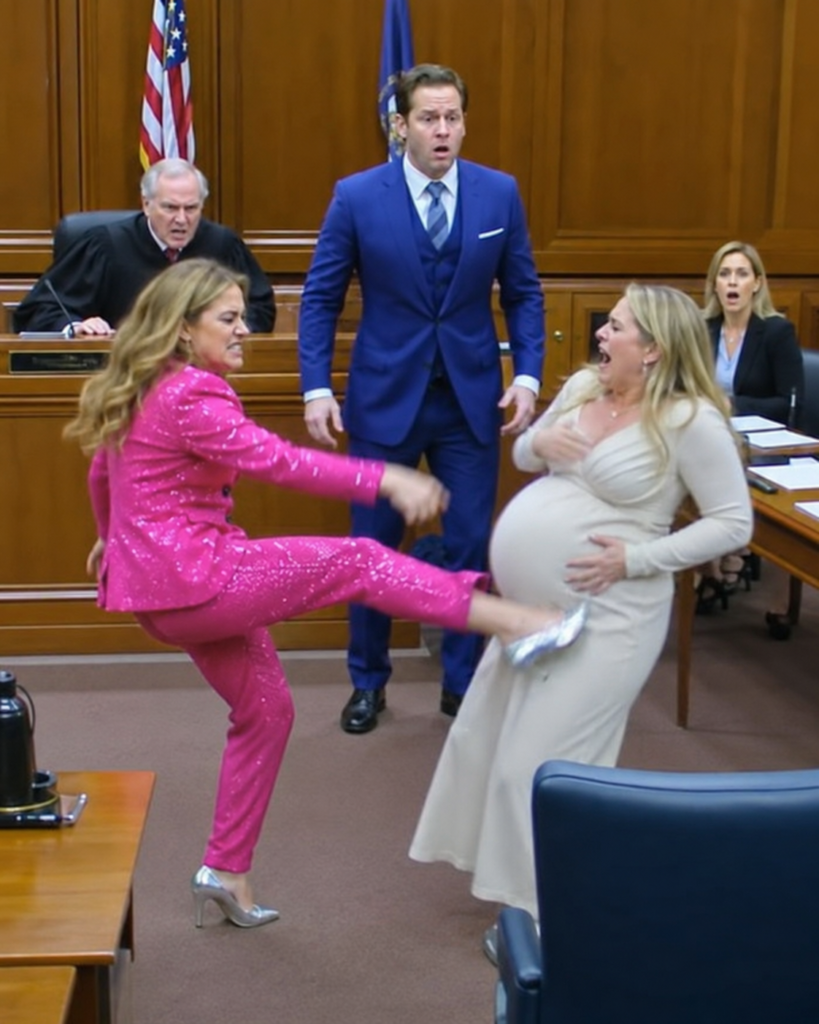
The Billionaire Let His Mistress Kick His Pregnant Wife In Court—But He Didn’t Know The Judge Had Been Waiting Twenty-Eight Years For This Moment
The mistress kicked me in the stomach in front of twelve witnesses, two deputies, and my husband’s three-million-dollar legal team.
My billionaire husband did not move.
He only looked at the woman carrying his last name on paper and said, “Don’t make a scene, Emily. You’re embarrassing yourself.”
The courtroom went so quiet I heard my wedding ring hit the marble floor.
It had slipped from my swollen finger after I braced myself against the defense table, one hand wrapped under my belly, the other catching the edge of a stack of divorce papers Marcus Vale had paid somebody very expensive to destroy my life with.
His mistress, Savannah Cross, stood in six-inch nude heels beside him.
She was twenty-six.
I was thirty-four.
She wore white.
I wore the navy maternity dress I had ironed at 5:12 that morning because I still believed, in some corner of my exhausted heart, that walking into court with dignity mattered.
Savannah looked down at my ring like it was a dead insect.
Then she smiled.
“Oops,” she said.
Marcus finally touched her arm, but not to stop her.
To steady her.
Like she was the one who had almost fallen.
My baby shifted inside me.
A slow, hard roll beneath my ribs.
The kind of movement that reminded me I was not allowed to collapse.
Not today.
Not here.
Not in front of him.
Not in front of her.
Not in front of the man sitting above us in the black robe.
Judge Robert Whitmore had not spoken yet.
He had not raised his voice.
He had not slammed his gavel.
He had not revealed that the pregnant woman his son-in-law had just humiliated in open court was his daughter.
He only leaned forward.
Just slightly.
And when he did, the entire courtroom seemed to hold its breath.
Marcus Vale, founder of Vale Capital, owner of three Gulfstream jets, husband of eight years, father of the unborn child he had just called a “strategic inconvenience,” turned toward the bench with the same arrogant little half-smile he used on magazine covers.
“Your Honor,” he said, “my wife has a history of emotional manipulation.”
Judge Whitmore looked at him for one long second.
Then another.
Then a third.
And in that silence, I saw the first crack appear in Marcus Vale’s perfect face.
Because my father had spent twenty-eight years teaching himself not to react in court.
But I had spent my whole life learning what it meant when he went still.
I did not scream when Savannah kicked me.
I did not beg when Marcus abandoned me.
I did not explain when his lawyer called me unstable.
I did not reach for my ring when it rolled under the table.
I did not look at my father until I was ready.
Because the moment I looked at him, everyone in that courtroom would understand the one thing Marcus had never bothered to learn.
I had not come to court alone.
I had come home.
Savannah’s heel had caught the side of my belly, not full force, but enough to send white heat through my abdomen and make the deputy near the door take one sharp step forward.
The sound she made afterward was worse than the kick.
A laugh.
Small.
Bright.
Careless.
Like she had knocked over champagne at a rooftop brunch.
“Oh my God,” she said, pressing a manicured hand over her mouth. “She moved right in front of me. I barely touched her.”
Marcus leaned down near my ear.
His cologne hit me first.
Italian citrus, cedar, money.
“You planned this,” he whispered. “You always were good with timing.”
I turned my head slowly.
He was close enough for me to see the gray at his temple that his publicist always edited out.
Close enough to see the vein pulsing under his jaw.
Close enough to remember the night he proposed at the Bellagio fountains and told me I was the only person in the world who made him feel real.
“You’re going to want to step back,” I said.
He blinked.
Not because I had threatened him.
Because I hadn’t.
Marcus knew yelling.
He knew crying.
He knew bargaining.
He knew women throwing wine, reporters shouting questions, board members begging for another quarter.
But calm scared him.
Calm meant information.
And information was the only thing Marcus Vale respected.
His lead attorney, Bennett Ashford, rose from the defense table with a face like polished stone.
“Your Honor, may the record reflect that Mrs. Vale is refusing medical assistance and attempting to dramatize a minor contact incident?”
A minor contact incident.
The phrase floated through the room like poison dressed in silk.
My attorney, Claire Donnelly, stood so fast her chair struck the railing behind her.
“Objection. Counsel is characterizing an assault on a pregnant woman as—”
“Sit down, Ms. Donnelly,” Judge Whitmore said.
Claire froze.
So did I.
Not because he sounded angry.
Because he sounded too calm.
My father had used that voice only three times in my life.
Once when I was nine and a drunk driver jumped the curb outside our church picnic.
Once when I was seventeen and I told him I was going to marry the first boy who bought me a bus ticket to Nashville.
Once when my mother died, and he stood in our kitchen with her hospital bracelet in his hand and told me the casseroles would go in the freezer because people should not have to perform gratitude while grieving.
Claire sat.
Bennett Ashford’s mouth twitched.
He thought he had won a point.
Marcus thought so too.
Savannah definitely did.
She shifted closer to my husband, tucking herself beneath his arm as if the courtroom were a charity gala and not a place where perjury wore cufflinks.
Judge Whitmore looked down at his notes.
“Mrs. Vale,” he said, “do you require immediate medical attention?”
Every eye turned toward me.
Marcus gave a tiny shake of his head.
A warning.
Savannah watched my stomach.
Waiting for panic.
Waiting for blood.
Waiting for anything she could turn into theater.
I placed one palm beneath my belly and breathed once through my nose.
Then I lifted my chin.
“I will be examined after this hearing, Your Honor.”
My father’s eyes moved over my face.
Not like a judge.
Like a dad checking every bruise without being allowed to touch one.
“Are you able to proceed?”
“Yes, Your Honor.”
A pause.
Then he said, “Very well.”
Savannah scoffed.
It was almost nothing.
A little puff of air.
But courtroom microphones are strange creatures.
They catch what arrogance forgets to hide.
The sound carried.
The deputy by the door looked at her.
The clerk looked at her.
One juror from another case, waiting in the back row for voir dire, looked at her like she had just spat on a grave.
Marcus did not notice.
Marcus was busy adjusting his cufflinks.
He had chosen platinum ones shaped like falcon wings, the Vale Capital logo.
I had bought them for his fortieth birthday.
At the time, he had kissed my forehead and said, “You always know what I need.”
I had.
That was the problem.
I had known when he needed quiet after a hostile takeover.
I had known when he needed me to smile beside him while reporters asked why his hedge fund had swallowed a family-owned grocery chain and fired 1,100 employees before Christmas.
I had known when he needed a wife who could read a room, remember names, host dinners, calm investors, charm senators, and disappear whenever Savannah Cross walked into his foundation office wearing red lipstick and ambition.
I had known everything except when to stop giving.
Until the morning I found the ultrasound picture in the trash.
Not mine.
Hers.
Savannah’s name was printed in the corner.
Six weeks.
Two days.
I was twenty-eight weeks pregnant with Marcus’s child when I learned his mistress was also pregnant.
Except hers came with a plan.
Mine came with a problem.
That was what the email said.
Subject line: Problem.
I had opened it at 2:17 a.m. because Marcus had fallen asleep in his study with his laptop unlocked and a glass of bourbon sweating beside a printed draft of our separation agreement.
Savannah had written four sentences.
Marcus, if Emily keeps the baby, the trust timeline gets messy. Bennett says there are cleaner ways if she signs before delivery. I’m not raising our son in the shadow of her mistake. Fix it.
Our son.
Her mistake.
Fix it.
I did not print the email.
I did not forward it.
I did not wake him up and throw the laptop across the room like a scene from a cheap streaming drama.
I took a photograph with the old phone Marcus didn’t know I kept charged in the laundry room.
Then I put everything back exactly where I found it.
Because my mother had not raised me to win the argument.
She had raised me to survive the room.
And my father had not spent forty years on the bench teaching me the law so I could mistake noise for power.
Power was paper.
Power was patience.
Power was letting a liar speak long enough to build his own cage.
Marcus’s first mistake was thinking I was lonely.
His second was thinking I was stupid.
His third was walking into Courtroom 4B and not reading the nameplate on the bench.
ROBERT E. WHITMORE.
He had never met my father.
Not properly.
That was by design.
Marcus believed my father was a retired county judge from Kentucky who played golf badly and sent Christmas cards with cardinals on them.
He had never asked why I used my mother’s maiden name professionally.
He had never asked why our wedding had been officiated by a “family friend” in a private garden instead of a judge in a courthouse.
He had never asked why the courthouse staff in Franklin County looked at me twice when I filed our emergency petition.
Marcus Vale did not ask questions unless the answer made him richer.
So when Judge Whitmore took the bench that morning, Marcus glanced up, saw an older man with silver hair and tired eyes, and dismissed him as another obstacle to bill by the hour.
Savannah did not glance up at all.
She was too busy photographing herself outside the courthouse doors.
I saw her do it through the tinted window of the town car Marcus had sent for himself.
Not for me.
Never for me anymore.
She tilted her phone high, angled her face, and smiled with the courthouse columns behind her.
Later, Claire showed me the caption before it disappeared.
New beginnings require brave endings.
I remember laughing once.
Just once.
In the courthouse restroom, alone in a stall, one hand over my belly, the other gripping my phone so tightly my knuckles blanched.
Not because it was funny.
Because there comes a point where betrayal becomes so polished, so shameless, so perfectly lit for social media, that the only choices left are laughing or breaking.
I chose laughing.
Then I washed my hands.
Fixed my lipstick.
And walked into my father’s courtroom as Mrs. Emily Vale.
Not Emily Whitmore.
Not Daddy’s little girl.
Not the woman Marcus had underestimated.
Not yet.
The hearing was supposed to be simple.
Temporary orders.
Asset restrictions.
Medical insurance.
Residence rights.
A protective request Claire insisted we file after Marcus’s security team “accidentally” disabled the keycard to my own building at 11:43 p.m. while I was standing in the rain with swollen ankles and a dead phone.
Marcus’s side wanted the penthouse.
The Hamptons house.
The Nantucket property.
The Aspen chalet.
The Nashville farm I had bought before I met him.
Especially the Nashville farm.
They claimed it had been “commingled through marital branding opportunities.”
I claimed Marcus could commingle his branding opportunities into the nearest trash compactor.
Claire advised me not to phrase it that way.
I listened.
Mostly.
The real fight was not the property.
The real fight was control.
Marcus wanted me moved out of New York before the baby came.
He wanted the divorce sealed.
He wanted the press told I had suffered “prenatal anxiety and delusional fixation.”
He wanted Savannah introduced as his “longtime partner” two weeks after our daughter was born.
Yes.
Daughter.
That was another thing he hated.
The ultrasound had not shown him an heir.
It had shown him a girl.
He had smiled in the exam room.
He had held my hand.
He had said, “She’ll be brilliant like her mother.”
Then three days later, I heard him on the balcony telling Bennett Ashford, “We need to talk about succession optics.”
Succession optics.
Our baby was kicking under my ribs while my husband discussed her like a weak quarterly forecast.
That was the day I stopped loving him.
Not loudly.
Not dramatically.
No shattered glass.
No screaming voicemail.
No midnight drive.
Just one small sound inside me.
A door closing.
Now, in Courtroom 4B, Marcus’s legal team arranged their binders like they were preparing to conquer Europe.
Bennett Ashford stood at the center.
Tall.
Silver-haired.
Private-school smooth.
The kind of man who could say “best interests of the child” while billing $1,800 an hour to bury a mother.
“Your Honor,” Bennett began, “Mr. Vale is prepared to provide generous temporary support, including private medical care, provided Mrs. Vale agrees to relocate to a suitable residence outside the city and refrain from public statements regarding this proceeding.”
Don’t Miss The Rest! Press Next Button Below To Continue Reading.


 The Bottom Line: