Saturday, June 20, 2026

This plant cleans the blood, skin, kidneys, liver, and pancreas in one go. But do it this way… To keep receiving my recipes, you just need to say

by


Feeling constantly tired, noticing dull skin, or dealing with that sluggish feeling after meals? Many people today struggle with low energy, occasional bloating, and skin that just doesn’t glow the way it used to as life gets busy and processed foods sneak in making your body feel like it’s running on empty. But here’s the good news: celery juice has caught the attention of wellness enthusiasts everywhere for its refreshing taste and nutrient profile that may support daily vitality when added to a balanced routine. In this article, we’ll explore celery juice, why it’s trending, and practical ways to add celery juice to your routine – and stick around until the end because there’s a surprising way many people prepare celery juice that you might not have tried yet.


🌿 Why Celery Juice Has Become So Popular

Celery juice is more than just a crunchy snack turned liquid as many dealing with low energy and dull skin find celery juice a favorite in juicing circles for its light and hydrating feel first thing in the morning. The humble vegetable in celery juice is packed with water, vitamins, and plant compounds making celery juice an easy way to increase nutrient intake without much fiber for those with sensitive digestion from bloating. What makes celery juice special is that it is naturally low in calories and contains a variety of minerals and antioxidants that may help when the body feels like it’s running on empty from busy life. But is celery juice a miracle drink? Let’s look at what the research actually shows about celery juice without the hype so you can see how celery juice may fit your wellness routine.


🥬 Nutritional Breakdown of Celery Juice

One cup of fresh celery juice offers a surprising amount of goodness in a simple package that helps when dull skin and low energy make you search for natural support through celery juice. Celery juice has high water content – over 95% water for natural hydration that many need when occasional bloating slows them down after meals. Celery juice delivers vitamin K for supporting everyday wellness, vitamin C as an antioxidant, potassium and electrolytes plus flavonoids and polyphenols – natural plant compounds that work together in celery juice. These nutrients in celery juice support your body’s daily functions as many people report feeling more refreshed after adding celery juice to their mornings though individual results vary with celery juice.


Quick Comparison Using Celery Juice


Celery juice vs. plain water: Celery juice adds vitamins and minerals that water alone doesn’t provide when low energy hits.

Celery juice vs. other green juices: Celery juice is often milder in taste and lower in natural sugars making it gentler for daily use with celery juice.

🌱 Sarah’s Story: From Sluggish to Feeling Refreshed

Sarah, a 48-year-old office worker, struggled with low energy and dull skin that made her dread mornings until she tried celery juice as part of her routine. Simple changes like starting her day with celery juice helped her feel lighter within weeks. “I noticed my skin looked brighter and the afternoon slump eased,” she shared showing how celery juice can fit real life. Research links hydration and plant compounds in celery juice to supporting vitality which is why Sarah now rates her energy much higher with celery juice.


⚡ Potential Wellness Support from Celery Juice

Research suggests that the compounds in celery juice may offer several supportive benefits when consumed as part of a balanced diet addressing fatigue and bloating with celery juice. Antioxidants in celery juice such as apigenin and luteolin help combat oxidative stress in everyday life as studies have explored how these plant chemicals interact with the body though more human research is still needed on celery juice. Some people notice improvements in skin appearance over time with celery juice. This could be linked to better hydration and the vitamin content that supports collagen production naturally through celery juice. For digestion the natural electrolytes and mild compounds in celery juice may help with occasional bloating for those who find celery juice soothing as hydration itself plays a huge role in how light and comfortable you feel with celery juice.


🧪 How to Make Celery Juice at Home – Step by Step

Making your own celery juice is surprisingly simple and much fresher than store-bought versions helping when low energy calls for a quick boost from celery juice. Here’s an easy guide you can follow today with celery juice:


Start with fresh celery bunches and wash them thoroughly under cool running water for celery juice.

Chop the stalks into smaller pieces that fit your juicer to prepare celery juice.

Run the celery through a slow masticating juicer for best results with celery juice.

Drink celery juice fresh within 24 hours for optimal taste and freshness.

Store any extra celery juice in an airtight glass container in the refrigerator.

Pro tip: If you don’t have a juicer you can blend for celery juice with a little water and strain it through a fine mesh bag – the texture will be slightly different but still refreshing for celery juice. Many people prefer drinking celery juice on an empty stomach in the morning. Start with 8-12 ounces of celery juice and see how your body responds to celery juice.


Mid-Article Check-In: How Are You Feeling?

Congrats on reaching this point – most readers don’t get this far with celery juice! Quick self-assessment using celery juice:


How many benefits have we covered so far with celery juice?

What is your biggest challenge right now that celery juice might help?

Rate your current energy from 1 to 10 after thinking about celery juice.

These small reflections help you apply celery juice more effectively.


🛡️ Building Immune and Digestive Support with Celery Juice

Frequent minor sluggishness after meals can drain your energy but celery juice emphasizes antioxidant-rich elements that may help support resilience when added consistently as celery juice. Many notice better comfort after following celery juice for a month. Research often points to these dietary patterns for better daily ease making celery juice a practical choice when bloating is an issue with celery juice.


😌 Reducing Everyday Discomfort Through Celery Juice

Stress and sluggish feelings after meals can sap joy yet celery juice includes hydrating and mineral elements that may help promote lightness naturally with celery juice. Many felt calmer within weeks of adding celery juice regularly. Studies on hydration and plant compounds support how such routines promote comfort after 60 or in busy years showing why celery juice works for many with low energy.


Problem | How Celery Juice May Support

Low energy | Celery juice provides hydration and electrolytes for steady feel

Dull skin | Celery juice delivers vitamins that aid natural glow

Occasional bloating | Celery juice offers gentle digestion support

Sluggish mornings | Celery juice gives a refreshing start with nutrients


🍋 Bonus Tip: Flavor Boost for Celery Juice

Here is an easy bonus with celery juice – try adding a splash of lemon or ginger to celery juice for extra flavor that may enhance enjoyment. A simple addition fits perfectly into the daily routine with celery juice. You have now seen key ideas with more practical tips still ahead in celery juice.


🥒 Supporting Skin and Energy Naturally with Celery Juice

Weakness or dull skin after busy days can limit confidence but celery juice features hydrating and vitamin-rich elements that may help maintain a brighter appearance through celery juice. Many felt steadier after weeks following this aspect of celery juice. Research often links these choices to better daily comfort with celery juice.


📅 Actionable 30-Day Timeline Using Celery Juice

Week 1: Add 8 ounces of celery juice each morning

Week 2: Include celery juice with a splash of lemon daily

Month 1: Pair celery juice with balanced meals for sustained suppor

Bay leaves are 100,000 times more potent than Botox. They erase wrinkles, even at 70 years old. Leave an "OK" to see the recipe in the first comment.

by


The bay leaf is a well-known ingredient in cooking, but it also has a long tradition in natural medicine.

Used for centuries in different cultures, this aromatic plant is valued for its properties that can help support digestion.

strengthen the immune system and promote overall well-being.

Rich in natural compounds, the bay leaf contains vitamins A, C and B6,

in addition to minerals such as calcium, iron and manganese, important nutrients for the proper functioning of the body.

In this article you will discover the potential benefits of bay leaves and how to easily use them in your daily routine.

Main Benefits of Bay Leaves

1. It can help improve digestion

Bay leaves are traditionally used to stimulate digestion and reduce stomach discomfort.

Its natural compounds help promote the production of digestive enzymes, facilitating the digestion of food.

In addition, bay leaf tea can help relieve symptoms such as:

gas,
bloating,
indigestion

Which Chair Would You Choose

by


Which Chair Would You Choose …Your First Pick Might Reveal More About Your Personality Than You Think

Imagine walking into a room and seeing six completely different chairs lined up in front of you.

Without analyzing every detail or weighing the pros and cons, which one would you sit in?

Most people make their choice almost instantly. And that’s exactly what makes this personality test so fascinating.

The premise is simple: your first instinct may offer a glimpse into how you view the world, navigate relationships, and approach everyday challenges. While no chair can perfectly define who you are, the choices we make often reflect deeper preferences and personality traits that operate beneath our conscious awareness.

Psychologists have long explored this concept through what’s known as projective testing—the idea that people unconsciously project aspects of their personality onto the objects, images, and situations they respond to. Whether it’s a favorite color, a piece of artwork, or even a chair, our preferences can sometimes reveal patterns we don’t immediately recognize in ourselves.

So, if you’ve already chosen your chair, let’s discover what it might say about you.

Chair 1: The Reliable Rock
If Chair 1 was your immediate choice, you’re likely someone who values stability, consistency, and balance.

Friends, family members, and coworkers probably see you as dependable—the person they can count on when things get stressful. While others may panic during difficult situations, you tend to remain calm and focused, helping those around you find clarity.

You prefer structure over chaos and often think carefully before making decisions. Rather than chasing excitement for its own sake, you’re more interested in building a life that feels secure, meaningful, and grounded.

One of your greatest strengths is your consistency. In a constantly changing world, people know they can rely on you, and that trust is something you’ve earned through your actions.

Chair 2: The Natural Leader
Were you drawn to Chair 2?

If so, confidence and ambition may be among your defining characteristics.

You don’t usually wait for someone else to take charge. When challenges arise, your instinct is to step forward, assess the situation, and look for solutions. You’re driven by goals and motivated by progress, always seeking opportunities to grow and achieve.

People often look to you for guidance because your confidence inspires trust. Even when you don’t realize it, your determination can motivate others to push beyond their own limitations.

However, true leadership isn’t always about taking control. Sometimes the greatest leaders are those who know when to listen, collaborate, and empower others to shine.

Chair 3: The Creative Thinker
If Chair 3 caught your attention first, creativity is likely one of your strongest assets.

You have a natural tendency to see possibilities where others see obstacles. Rather than following the crowd, you enjoy exploring unique ideas and questioning conventional wisdom.

Your creativity isn’t limited to artistic pursuits. It can appear in the way you solve problems, communicate with others, approach your career, or make everyday decisions.

People appreciate your fresh perspective because you’re often able to notice details and opportunities that others overlook. You’re comfortable thinking differently and aren’t afraid to express your individuality.

What truly sets you apart is your willingness to remain authentic, even when your perspective isn’t the most popular one in the room.

Chair 4: The Adventurous Explorer
Did you choose Chair 4?

If so, you likely have a strong sense of curiosity and a genuine desire to experience everything life has to offer.

Routine can sometimes feel limiting to you. While you understand the value of stability, you’re energized by new experiences, unfamiliar environments, and opportunities for personal growth.Psychologists often associate this personality style with a trait known as openness to experience. People who score highly in this area tend to be adaptable, curious, and enthusiastic about exploring new ideas and perspectives.

Whether it’s traveling to new destinations, meeting different people, trying unfamiliar foods, or pursuing new hobbies, you embrace change rather than fear it.

Your adventurous spirit encourages others to step outside their comfort zones and discover what’s possible beyond the familiar.

Chair 5: The Compassionate Soul
If Chair 5 was your choice, empathy may be one of your greatest strengths.

You have a remarkable ability to understand how others are feeling, even when they don’t openly express it. Small changes in mood, tone of voice, or body language rarely escape your notice.

People often describe you as kind, supportive, and understanding. Friends trust you because they know you’ll listen without judgment and offer genuine care when they need it most.

You value meaningful relationships and often prioritize emotional connection over superficial interactions. Because of this, the bonds you form tend to be deep and lasting.

However, your sensitivity can sometimes become emotionally draining. Learning to set healthy boundaries is essential, allowing you to care for others without carrying burdens that aren’t yours to bear.

Your compassion isn’t a weakness—it’s one of the qualities that makes you truly exceptional.

Chair 6: The Peaceful Realist
If Chair 6 felt like the obvious choice, you’re probably someone who values simplicity, authenticity, and emotional stability.

You have little interest in unnecessary drama or seeking constant attention. Instead, you find fulfillment in meaningful relationships, personal integrity, and the small moments that bring everyday life joy.

You’re practical, grounded, and thoughtful in your decision-making. Rather than reacting impulsively, you prefer to assess situations carefully and maintain perspective during difficult times.

Loyalty is incredibly important to you. Whether it’s family, friendships, or romantic relationships, trust and commitment form the foundation of the connections you build.

People often feel comfortable around you because your calm presence creates a sense of security and balance. You may not always be the loudest voice in the room, but your influence is often felt in meaningful ways.

Why Personality Tests Continue to Fascinate Us
One reason personality quizzes remain so popular is that they encourage self-reflection.

Even when the results aren’t scientifically precise, they often highlight qualities we recognize within ourselves. Sometimes they remind us of strengths we’ve overlooked. Other times, they reveal patterns we’ve never consciously considered.

Of course, psychologists agree that personality is far too complex to be explained by a single choice. Our identities are shaped by countless factors, including genetics, life experiences, relationships, environment, and personal values.

Still, simple exercises like this can be surprisingly insightful. They encourage us to pause, look inward, and think about what matters most in our lives.

So, was your result accurate?

Whether your chosen chair described you perfectly or only captured a small part of who you are, one thing remains true: even the simplest choices can reveal something meaningful about ourselves.

**8 Things You Absolutely Should Not Put in a Dishwasher **(And Why)

by


If you’re anything like me, you love the convenience of a dishwasher. It’s a modern marvel that saves time and effort after a long day. But here’s the catch: not everything is dishwasher-friendly. Tossing the wrong items into the machine doesn’t just risk ruining your favorite belongings—it can damage your appliance, leave behind sticky residues, and drastically shorten the lifespan of your kitchen tools.
This isn’t about fear-mongering; it’s about clarity. By understanding what science and culinary experts say about dishwasher safety, you can protect your investments and keep your machine running efficiently for years to come. Let’s explore what should stay out of the wash and how to care for these delicate items properly.
The Golden Rule: When in doubt, check the manufacturer’s label. If it says “Hand Wash Only,” trust it. The intense heat and high water pressure of a dishwasher are far more aggressive than gentle hand washing.

1. Sharp Knives and Wooden Utensils

Let’s start with a bit of a shocker. Recently, I saw celebrity chef Ina Garten post a picture on Instagram, and guess what? She had her knives in the dishwasher! You might be thinking, “What’s the big deal?”
The reality is that high water pressure knocks knives against other items in the rack, dulling the blade’s edge incredibly fast. Furthermore, the intense heat and harsh detergents can cause wooden handles to crack, warp, or loosen from the blade. Finally, reaching blindly into a dishwasher full of hidden, sharp blades is a genuine safety hazard.
How to care for them: Hand wash knives and wooden utensils immediately after use with warm, soapy water. Dry them right away with a towel to prevent rust (especially for carbon steel), and store them safely in a knife block or on a magnetic strip. Occasionally rub wooden handles with food-safe mineral oil to maintain their finish. Even if a knife claims to be “dishwasher safe,” hand washing will keep it razor-sharp for much longer.

2. Delicate Crystal and Fine China

5. Anything with Adhesive Labels

We’ve all tried to scrub a baked-on sticker off a dish after a dishwasher cycle—it’s a nightmare.
When exposed to high heat and water, labels disintegrate, leaving a stubborn, sticky residue on your dishes and inside the machine. Worse, the paper fragments and melted glue can clog your dishwasher’s filter, drastically reducing its cleaning efficiency. You’ll end up spending more time scraping off residue than you saved by using the machine.
How to care for them: Always remove all labels and stickers before loading. Soak stubborn labels in warm, soapy water to loosen the adhesive, and gently use a razor blade or scraper to remove any leftover glue.

6. Insulated Travel Mugs and Thermoses

Insulated mugs are fantastic for keeping beverages at the perfect temperature, but the dishwasher can ruin their internal mechanics.
The intense heat can damage the vacuum seal between the double walls, compromising the mug’s ability to retain temperature. Additionally, plastic lids and rubber seals can warp or degrade, leading to leaks, and harsh detergents can leave a lingering chemical taste or odor inside the container.
How to care for them: Hand wash the body and lid with warm, soapy water, using a bottle brush to reach deep inside. Air dry completely with the lid off to prevent mold and mildew. Always check the manufacturer’s instructions, but hand washing is universally the safest bet.

7. Copper Cookware

Copper pots and pans are stunning kitchen treasures, but they are incredibly finicky.
Harsh detergents and high heat will quickly tarnish the beautiful finish, turning it dark and spotty. The dishwasher cannot provide the specific care required to maintain that polished shine, and some detergents can actually react chemically with the copper, causing pitting or corrosion.
How to care for them: Hand wash with mild soap and warm water, and dry immediately to prevent water spots. Polish regularly with a copper-specific cleaner or a simple homemade paste of lemon juice and salt.

8. Old or Valuable China

If you have heirloom china or dishes with delicate, hand-painted patterns, keep them far away from the dishwasher.
Repeated exposure to hot water and harsh detergents will inevitably fade those beautiful designs. Older china is also much more brittle, making it highly prone to chipping under high water pressure. Furthermore, the thermal shock from rapid temperature changes can cause microscopic cracks in antique pieces.
How to care for them: Hand wash gently with mild soap and lukewarm water using a soft cloth or sponge. Avoid abrasives, dry carefully with a soft towel, and store them securely to prevent accidental bumps.

Bonus: Common Dishwasher Mistakes to Avoid

Knowing what to wash by hand is only half the battle. To get the most out of your machine, avoid these common pitfalls:
Overloading: This blocks the water spray, leaving dishes dirty. Load according to guidelines and leave space between items.
Pre-rinsing too much: Modern detergents actually need food particles to activate properly. Just scrape off large chunks and let the detergent do the work.
Using the wrong detergent: Regular hand-washing dish soap will cause a sudsy overflow. Always use high-quality dishwasher pods or powder.
Ignoring the filter: A clogged filter ruins cleaning power. Clean it monthly according to your manual.
Skipping the rinse aid: This leads to spots and film on glassware. Keep the dispenser filled.
Pro Tip: Run an empty cycle with a cup of white vinegar placed on the top rack once a month to clean the interior and remove odors.

Why Wool Sweaters Get Those Annoying Little Pills

by


Why Wool Sweaters Get Those Annoying Little Pills …and How to Remove Them Safely


Have you ever pulled your favorite wool sweater out of the closet only to discover it’s covered in tiny fuzz balls? No matter how carefully you care for your clothes, those little pills seem to appear out of nowhere, making even a beloved sweater look worn and aged.

The good news? Pilling is completely normal—and understanding why it happens is the first step toward keeping your knitwear looking fresh, elegant, and cozy for years to come.

Why Do Wool Sweaters Pill?

Before searching for a quick fix, it helps to understand what’s actually happening.

Pilling isn’t a sign of poor quality or improper care. In fact, it’s a natural characteristic of wool and other soft fibers, such as cashmere. These materials are made up of fine, flexible fibers that move and rub against one another during everyday wear.

Every time your sweater comes into contact with a coat, handbag strap, seatbelt, or even a chair, friction causes loose fibers to rise to the fabric’s surface. Over time, these fibers tangle together and form the small balls we know as pills.

Here’s the surprising part: the softer and finer the fiber, the more likely it is to pill. That’s why luxurious, high-quality sweaters can sometimes develop pills faster than heavier or rougher fabrics.

Washing Can Make It Worse

Another major contributor to pilling is washing.

During a wash cycle, garments rub against the drum and against each other. Water, detergent, and movement create countless microscopic frictions that gradually loosen fibers and encourage pilling.

While these tiny changes aren’t visible right away, they eventually become noticeable, especially in areas exposed to frequent wear.

Where Do Pills Usually Appear?

If you’ve noticed pilling under the arms, along the sides, or on the sleeves, you’re not imagining things.

These are the parts of a sweater that experience the most friction throughout the day. Areas where handbags rest, arms move, or fabrics rub together tend to develop pills first.

The important thing to remember is that pilling affects appearance—not performance. Your sweater remains just as warm, comfortable, and functional as before.

Rather than retiring it to the back of your closet, a little maintenance can quickly restore its polished look.

How to Remove Pills Without Damaging Wool

The key is to remove the pills gently without pulling on the fibers or stretching the knit.

Fortunately, you don’t need expensive tools to get great results.

1. Use a Fabric Shaver

A fabric shaver is one of the safest and most effective solutions. Designed specifically for knitwear, it trims away pills while leaving the fabric intact.

Simply lay the sweater flat and move the device lightly across the surface.

2. Try a Sweater Comb

A sweater comb is another popular option for wool and cashmere garments. Its fine teeth gently lift and remove pills without damaging delicate fibers.

Use light strokes and avoid pressing too hard.

3. Use a Disposable Razor Carefully

In a pinch, a clean disposable razor can help remove pills.

Lay the sweater on a flat surface and lightly glide the razor across the fabric. Use minimal pressure and move slowly to avoid snagging the knit.

This method works best on thicker wool garments rather than delicate cashmere pieces.

4. Remove Pills by Hand

For small areas, carefully picking off pills by hand can be surprisingly effective.

Although it takes more time, it minimizes the risk of damaging delicate fabrics.

How to Prevent Future Pilling

While it’s impossible to eliminate pilling entirely, you can reduce it significantly with a few simple habits:

  • Turn sweaters inside out before washing.
  • Use a gentle wool cycle or hand wash whenever possible.
  • Wash wool garments separately from rough fabrics like denim.
  • Use a mesh laundry bag for added protection.
  • Avoid overloading the washing machine.
  • Fold sweaters instead of hanging them to preserve their shape.
  • Store knitwear carefully during the off-season.

Final Thoughts

Pilling may be frustrating, but it’s a completely normal part of owning and wearing wool garments. In fact, it often occurs on some of the softest and most luxurious sweaters.

The good news is that a few minutes of gentle maintenance can make a dramatic difference. With the right care techniques and a little prevention, your favorite wool sweaters can continue looking stylish, comfortable, and well-maintained for many seasons to come.

After all, a few tiny pills shouldn’t stand between you and the sweater you love.

5 Places You Should Never Use Your Air Fryer Indoors

by


Air fryers have become a kitchen favorite in many households. They are convenient, energy-efficient, and allow us to cook crispy foods with less oil. But while air fryers are easy to use, many people concern one critical factor: where they are placed when operating. Using your air fryer in the wrong location can cause overheating, smoke buildup, damaged surfaces and even fire hazards.

To maintain your home safe and to extend your air fryer’s lifespan, here are five places you should never use your air fryer indoors:

1. On Top of a Wooden Table or Counter Without Protection

Air fryers release a lot of heat from the bottom and sides. Placing them directly on a wooden table or counter can cause the surface to overheat, warp, or discolor. Over time, heat damage can become permanent. Worse, prolonged exposure can become a fire risk, especially if the material is coated with varnish.

What to do instead:

Place your air fryer on a heat-resistant mat, a ceramic tile, or a metal baking sheet to protect your surfaces. Always ensure the surface is flat and stable.

least 5–8 inches of clearance on all sides.

3. Near Curtains or Fabric Surfaces

Air fryers blow hot air out of their vents. If placed near curtains, tablecloths, kitchen towels, or other flammable fabrics, those materials can easily catch fire. Even if there is no fire, fabrics may absorb grease vapor and smell of oil over time.

Better placement:

Maintain the air fryer far from windows, hanging towels, or any loose fabrics. A clear countertop is best.

4. On Top of the Stove (Even When Turned Off)

Some people store appliances on top of their stove because it seems convenient but this is one of the most common causes of kitchen accidents.

If someone accidentally turns on a burner, the heat can melt the bottom of the air fryer, lead to electrical wiring damage, or cause a kitchen fire within seconds.

Even if the burner is not turned on, residual heat or grease buildup from the stove can also be a problem.

Smart alternative:

Designate a small appliance station on a separate counter or cart.

5. Right Next to the Wall

The back vent of an air fryer becomes very hot and releases air pressure. If placed flush against a wall, the heat can cause wall damage, paint discoloration, or heat buildup that causes the air fryer to overheat. This also restricts airflow, making cooking less efficient.

Ideal spacing:

Leave at least 6 inches of space between your air fryer and any wall or vertical surface.

Final Thought

No matter where you place your air fryer, never leave it running unattended. Like any heat-based appliance, it requires awareness and safe habits.

By avoiding these five risky locations and following basic safety rules, you’ll protect your home, promote the performance of your air fryer, and make sure it lasts longer.

How to make a super effective homemade herbicide

by


Getting rid of weeds doesn’t always require expensive or environmentally harmful industrial products. With products you already have at home, you can prepare a simple and effective solution.

This natural  herbicide  is ideal for sidewalks, patios and garden beds.

Materials

2 cups white vinegar (preferably 5% or higher concentration)

1/2 cup fine (or coarse) salt

1 tablespoon of dishwashing liquid (the kind you use for washing dishes)

Procedure

  Pour two cups of white  vinegar  into a     spray bottle or large container.

Add the half cup of salt. Stir or shake vigorously to dissolve as much of it as possible into     the vinegar   .

Add the tablespoon of liquid laundry detergent. This ingredient helps the mixture adhere more easily to the leaves of unwanted plants.

Pour the mixture into a spray bottle or manual sprayer. Close tightly and shake before each use.

Apply the product directly to the weeds, preferably in sunny and calm weather. Carefully spray only the plants you want to remove and avoid those you want to keep.

Advice

Apply the homemade herbicide when the plants are dry, ideally in the morning or at noon.

Do not use this mixture on lawns or cultivated areas as it may harm other plants through contact or runoff.

Store any remaining product in an airtight container, away from heat and direct sunlight. Shake well before each use.

You can double or reduce the quantities while always maintaining the same proportions.

If you use coarse salt, it will take longer to dissolve, but it will be just as effective; just make sure to mix it well.

Results:
The first results appear within a few hours and intensify between 24 and 48 hours. If it rains within 24 hours of application, repeat the procedure.


Does anyone have a clue what these are… found in my grandmother’s crockery cupboardFIND OUT MORE IN THE COMMENTS

by


Have you ever explored an old cabinet at your grandparents’ house and stumbled upon small, metallic objects that look like tiny helmets? we see a collection of four textured silver caps resting on a wooden surface.

The text in asks a question that many people face when clearing out ancestral homes: “Does anyone have a clue what these are… found in my grandmother’s crockery cupboard.” While they might look like decorative items, miniature drinking cups, or rare collectibles, these objects are classic sewing thimbles.

What Exactly Is a Sewing Thimble?

A thimble is a small protective shield worn on the finger or thumb during manual stitching. Its primary purpose is to protect the skin from being pierced by the back end of a needle while pushing it through dense fabrics like denim, leather, or canvas.

Key Characteristics of Vintage Thimbles

  • Dimpled Surface: The pitted, textured exterior prevents the needle from slipping out of control.

  • Ergonomic Design: They feature a slightly conical shape to fit snugly over a fingertip.

  • Durable Materials: While modern thimbles are often made of rubber or plastic, vintage versions are typically crafted from brass, silver, steel, or porcelain.

Why Were They Found in a Crockery Cupboard?

It is common to find everyday sewing tools tucked away in unexpected places like kitchen cabinets or dining room sideboards. In traditional households, the dining table often doubled as a spacious workspace for cutting fabric and repairing family garments. Keeping a small stash of thimbles, threads, and needles in a nearby cupboard allowed quick access for evening repairs after dinner was cleared away.

The History and Value of Antique Thimbles

Thimbles have a rich history dating back thousands of years to ancient Egypt and China. By the 18th and 19th centuries, silver thimbles became a popular gift for women, symbolizing domestic skill, industriousness, and elegance.

Are They Worth Money?

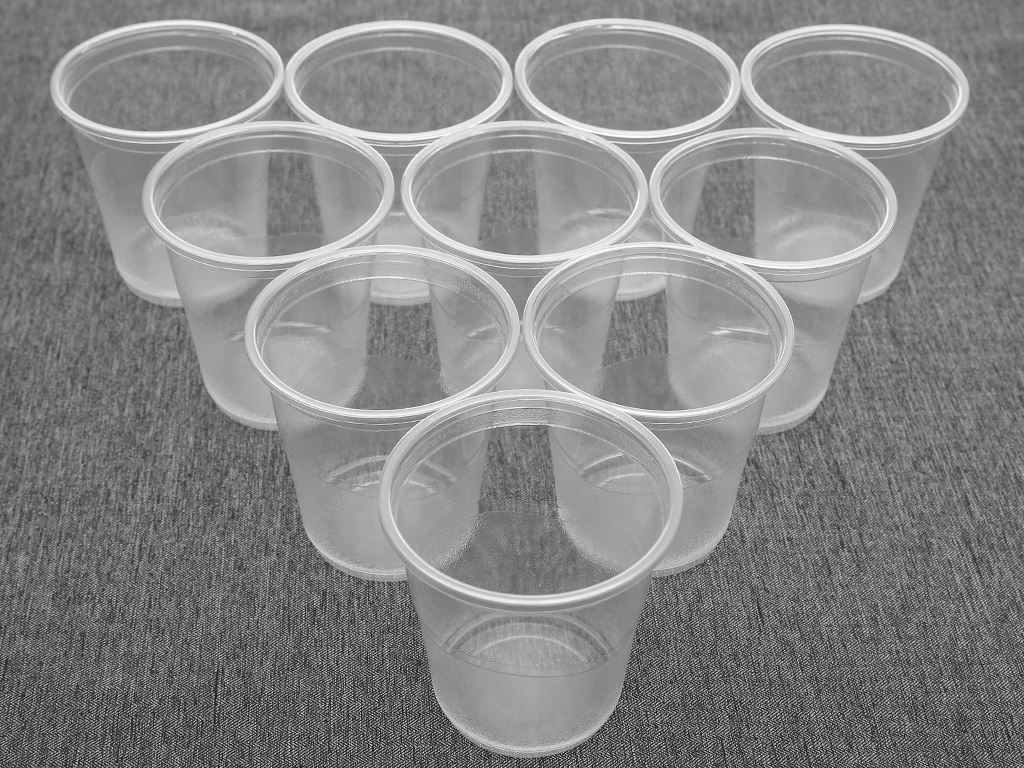
Ly nhựa Bách Hoá Xanh 350ml 10 cái giá tốt tại Bách hoá XANH

If you discover thimbles similar to the ones pictured  they could hold historical or monetary value.

  1. Material Markings: Look inside the rim for tiny stamps (hallmarks) indicating sterling silver, gold plating, or maker marks.

  2. Design Intricacy: Thimbles with hand-engraved patterns, scenic landscapes, or gemstone caps are highly sought after by collectors.

  3. Condition: Items free of deep dents, cracks, or heavy corrosion command higher interest in the antique community.

Why you shouldn’t charge your phone’s battery to 100%

by


Charging your phone to 100% might seem ideal for getting through the day, but this habit can actually accelerate battery wear. Here are a few simple steps to extend the life of your smartphone.

You might think that charging your phone to 100% is the best way to enjoy a full battery all day. However, this widespread habit could reduce your smartphone’s lifespan without you even realizing it. Beyond myths and facts, there are simple steps you can take to preserve your battery longer and prevent premature wear and tear on a daily basis.

Why avoid charging your phone to 100%

We often instinctively plug in our smartphones until they reach 100%, as if that were the only way to achieve maximum battery life. However, modern batteries don’t like to remain constantly at their highest level. When they stay at full capacity for too long, they are subjected to higher voltage, which, in the long run, accelerates their natural aging.

This doesn’t mean that a full charge is dangerous on a one-off basis, but that daily repetition can gradually reduce  battery life . In practice, this translates to a faster decrease in battery capacity over the months.

Understanding this phenomenon allows us to adopt gentler phone habits without disrupting our routines. The idea isn’t to completely eliminate our phone use, but rather to avoid making it a systematic daily habit.

Good charging habits to adopt

Adopting better charging habits doesn’t require a complete lifestyle change, but simply adjusting a few routines. One of the most recommended practices is to keep the battery between 20% and 80%. This range helps limit the electrical stress on the internal components.

It is also advisable to avoid leaving your phone plugged in all night, even though newer devices have protection systems. A partial charge during the day is often enough to last until the evening.

Another useful tip: prioritize charging when the battery is already partially depleted, rather than always waiting until it’s almost empty. These small habits constitute truly  smart smartphone charging , simple to implement and effective in the long run.

Common mistakes to avoid

Some very common habits may seem harmless, but they accelerate battery wear without you even realizing it. One of the most frequent mistakes is regularly letting your phone’s battery drop to 0%, which puts a lot of strain on lithium-ion batteries.

Another mistake is using uncertified or poor-quality chargers, which can cause current fluctuations that are harmful to the device. Similarly, using your phone intensively while charging, especially for games or videos, generates additional heat and weakens the components.

Finally, exposing your smartphone to high temperatures, such as in direct sunlight or on a car dashboard, can also reduce its performance. Avoiding these simple actions helps preserve battery life and maintain a high-performing device for everyday use.

How to extend the lifespan of your phone

Taking care of your smartphone battery doesn’t require a lot of effort, but rather a certain consistency in your habits. By partially charging your phone, avoiding extreme temperatures, and using reliable accessories, you can significantly extend the lifespan of your device.

It is also recommended to pay attention to signs of battery depletion, such as a rapidly decreasing battery life or abnormally long charging times. In this case, adjusting your habits becomes even more important.

The goal isn’t perfection, but balance. By incorporating these simple actions into your daily routine, you not only improve your phone’s lifespan but also its ease of use. A well-maintained smartphone remains efficient for longer and better meets your everyday needs.