

If you’re over 60 and noticing that your legs don’t feel as strong as they used to or that a short walk leaves you more tired than it should, you’re not alone. Many people in this stage of life experience gradual shifts in muscle strength and stamina that can make everyday activities feel more challenging. It can be frustrating when simple things like carrying groceries or keeping up with grandchildren start to wear you out faster. But what if small changes in your daily routine could offer some natural support for staying active and feeling more capable? Keep reading because we’re about to share three everyday teas that research suggests may play a helpful role in supporting muscle health and mobility as we age – and the best part is how easy it is to add them to your day.

As the years add up, our bodies naturally go through changes. Muscle mass can gradually decrease, and recovery from daily movement sometimes takes a little longer. This is a common part of aging that affects how steady we feel on our feet and how much energy we have for the things we love. The good news? Supporting your body with nourishing habits can make a real difference in how you move through your days.
But here’s where it gets interesting. Simple, soothing rituals like enjoying a warm cup of tea can fit right into your routine without any complicated equipment or expensive supplements. These aren’t magic fixes, but certain teas have caught the attention of researchers looking at ways to support healthy aging.
Tea has been enjoyed for centuries for its comforting taste and potential wellness benefits. What makes these three stand out is their natural compounds that studies suggest may help the body manage everyday inflammation, support circulation, and contribute to muscle comfort when paired with a balanced lifestyle.
Research points to antioxidants and anti-inflammatory properties in these teas as gentle allies for older adults who want to stay active. One review of green tea compounds, for example, noted potential support for muscle preservation when combined with regular movement. Turmeric and ginger bring their own well-studied benefits for comfort and recovery.
But that’s not all. The real power comes from making them part of a consistent daily habit. Let’s break down the three teas that are making waves for adults over 60.
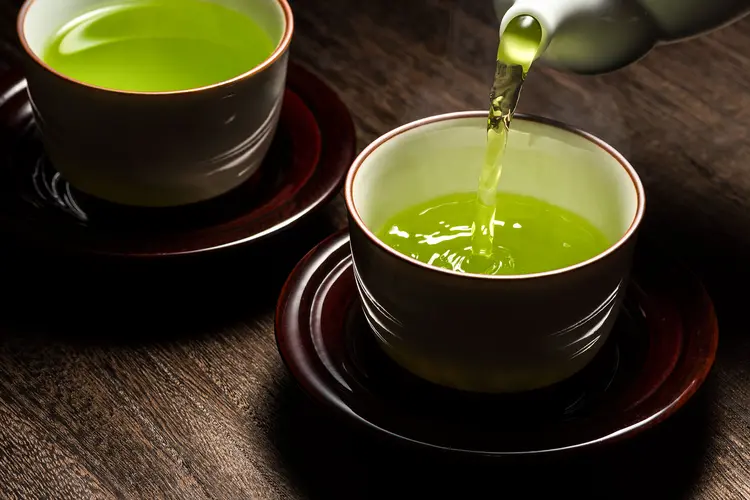
Green tea is one of the most researched beverages on the planet, and for good reason. It contains compounds called catechins, particularly EGCG, that studies suggest may help protect muscle cells from everyday oxidative stress. In research involving older adults, regular green tea consumption showed links to better muscle function when paired with light physical activity.
Here’s the part you’ll love: you don’t need to drink gallons of it. Just one or two cups a day can deliver these supportive compounds in a delicious, calming way. Many people report feeling a gentle boost in energy without the jitters that come from stronger caffeinated drinks.
But wait – green tea does even more. It may also support healthy metabolism, which helps your body use nutrients more efficiently for everyday strength.Key ways green tea may support you:
Helps manage oxidative stress that can affect muscle comfort
Provides a mild natural energy lift for daily movement
Pairs beautifully with light exercise routines
Turmeric Tea: Helping Your Body Feel More Comfortable
Golden Milk (Turmeric Tea)
Turmeric tea, often called golden tea when prepared with a touch of black pepper, is famous for its vibrant color and active compound curcumin. Research has explored curcumin’s role in supporting the body’s natural response to inflammation, which can make a big difference in how joints and muscles feel after age 60.
One study highlighted how turmeric extract may help maintain muscle balance in aging models by supporting healthy inflammatory pathways. For everyday life, this translates to potentially easier movement and less post-activity stiffness.
The secret to unlocking turmeric’s benefits? A pinch of black pepper enhances absorption dramatically. Many seniors enjoy it mid-morning or afternoon as a warming ritual that feels like self-care in a cup.
But here’s the exciting part: turmeric tea doesn’t just taste good – it can become a comforting part of your wind-down routine while contributing to overall wellness.
Simple turmeric tea benefits worth knowing:
Supports the body’s natural comfort mechanisms
May help with everyday joint and muscle ease
Adds a beautiful golden hue that brightens your day
Ginger Tea: Supporting Circulation and Daily Mobility
Ginger root has been used for generations to soothe the body, and modern research backs up why it feels so helpful. Its active compounds, including gingerol, have been studied for their potential to support healthy circulation and reduce temporary muscle discomfort after activity.
For adults over 60, better blood flow means oxygen and nutrients reach muscles more efficiently. Some studies link ginger to improved mobility markers and reduced fatigue in daily tasks. It’s especially popular in the evening because it feels warming and settling without causing drowsiness.
But the real magic happens when you combine it with the other two teas throughout your day. Together they create a gentle, synergistic routine that many people describe as life-changing for how they feel on their feet.
Why ginger tea stands out for active seniors:
Promotes healthy circulation to working muscles
Offers natural soothing properties after movement
Tastes spicy and refreshing, perfect for any season
How These Three Teas Work Together for Better Days
What makes this trio special isn’t any single tea alone – it’s the way they complement each other. Green tea in the morning for gentle energy, turmeric mid-day for comfort support, and ginger in the evening to wind down with better circulation.
Research on combined anti-inflammatory and antioxidant approaches shows they may offer more noticeable support than any one ingredient alone. Of course, results vary from person to person, and these teas work best alongside regular movement, balanced nutrition, and good sleep.
Here’s a quick comparison to help you see the unique strengths:
Tea Key Compound Primary Wellness Support Best Time of Day
Green Tea EGCG catechins Muscle maintenance & gentle energy Morning
Turmeric Tea Curcumin Everyday comfort & inflammatory balance Mid-morning/Afternoon
Ginger Tea Gingerol Circulation & post-activity soothing Evening
Your Step-by-Step Guide to Brewing These Teas at Home
Ready to give these teas a try? Here’s exactly how to prepare them for maximum enjoyment and potential benefits. Each recipe serves one and takes just minutes.
Morning Green Tea
Bring 8 ounces of water to 175°F (not boiling – this preserves delicate compounds).
Add 1 teaspoon loose leaf green tea or one tea bag.
Steep for 2-3 minutes.
Optional: Add a slice of lemon for extra flavor and vitamin C.
Mid-Day Turmeric Tea
Heat 8 ounces of water or unsweetened almond milk.
Stir in ½ teaspoon turmeric powder, a pinch of black pepper, and a dash of cinnamon.
Simmer gently for 5 minutes.
Strain if needed and sweeten lightly with honey if desired.
Evening Ginger Tea
Peel and slice a 1-inch piece of fresh ginger root.
Add to 8 ounces of boiling water.
Steep for 5-10 minutes depending on desired strength.
Strain and enjoy plain or with a touch of honey.
Pro tip: Prepare a big batch of each in the morning and sip throughout the day. Consistency is what matters most.
Actionable Tips to Pair With Your Tea Routine
Drinking these teas is just the start. To get the most from them:
Pair with short daily walks – even 10-15 minutes helps circulation.
Focus on protein-rich meals like eggs, fish, beans, and Greek yogurt to give muscles the building blocks they need.
Stay hydrated – tea counts toward your daily fluid intake.
Try gentle strength movements like chair squats or wall pushes a few times per week.
Track how you feel after two weeks of this simple routine. Many people notice they have more pep in their step.
But here’s the part most people miss: these small habits add up faster than you expect when you stay consistent.
Making This Routine Sustainable for Real Life
Life after 60 is about enjoying every moment, not complicated regimens. These teas fit easily into busy schedules – whether you’re retired, still working, or chasing grandkids. The ritual of boiling water and sipping mindfully can become a peaceful moment just for you.
Many readers tell us they feel more in control of their energy levels after adding this trio. Remember, it’s not about perfection. It’s about small, enjoyable steps that support the active life you want.
Conclusion: Small Sips, Stronger Steps
Supporting muscle health and mobility after 60 doesn’t require drastic changes. These three teas – green, turmeric, and ginger – offer a simple, science-backed way to nurture your body from the inside out. When combined with movement and nourishing food, they can become powerful daily allies for feeling stronger and walking with more confidence.
Start tomorrow with just one cup and build from there. Your future self will thank you for taking this gentle step toward better days ahead.
FAQ
How much of these teas should I drink each day?
Most people do well with 1-2 cups of each spread throughout the day. Listen to your body and start slowly if you’re new to herbal teas.
Can these teas interact with my medications?
Turmeric and ginger can have mild blood-thinning effects, so it’s wise to check with your healthcare provider first, especially if you take blood thinners or other prescriptions.
When might I start noticing benefits?
Many people report feeling a bit more energetic and comfortable within 1-2 weeks of consistent use, though individual results vary. The key is steady daily enjoyment paired with your usual activity.
Disclaimer
This article is for informational purposes only and is not intended as medical advice. Always consult your healthcare provider before making any changes to your diet, especially if you have health conditions or take medications. Individual results may vary.

Understanding Colon Health and Why It MattersYour colon plays a key role in your body’s waste elimination process, absorbing water and nutrients while moving things along. When things slow down, it can lead to temporary discomfort. Research from organizations like the American Gastroenterological Association highlights how lifestyle factors, including diet and hydration, influence this.But that’s not all. In Japan, where average life expectancy ranks among the world’s highest, people have long embraced habits that align with nature’s rhythms. Studies, such as those published in the Journal of Nutrition, suggest that incorporating plant-based elements into daily routines may contribute to better gut function.Here’s where it gets interesting: One such habit involves a simple green drink that fits seamlessly into your morning.What Is This Japanese-Inspired Morning Habit?The habit centers on preparing and drinking a glass of aojiru, a traditional Japanese green juice made from young barley grass or similar greens. This powdered form of nutrient-dense plants has been popular in Japan for decades, often consumed first thing in the morning.Aojiru isn’t just any drink—it’s rooted in the philosophy of “ichiju sansai,” which emphasizes balanced, vegetable-rich meals. According to general nutritional insights from sources like Harvard Health, greens like barley grass provide soluble fiber, which can help maintain regular bowel movements.Now, you might be wondering how to incorporate this. Let’s break it down step by step.
Step-by-Step Guide to Preparing Your Morning Green DrinkGetting started is easier than you think. Here’s a simple, actionable plan you can try at home:Gather Your Ingredients: You’ll need aojiru powder (available at health stores or online), fresh water, and optionally a bit of lemon for flavor. Look for organic varieties to ensure quality.Measure and Mix: Start with one teaspoon of the powder in a glass. Add 8-10 ounces of room-temperature water. Stir well until it dissolves—about 30 seconds.Drink Mindfully: Sip it slowly on an empty stomach, ideally 10-15 minutes before breakfast. This allows your body to absorb the nutrients without interference.Make It a Routine: Consistency is key. Aim for daily use, but listen to your body and adjust as needed.Studies on fiber intake, like those from the World Health Organization, indicate that such habits may support digestive regularity. But wait, there’s more to why this stands out.The Key Benefits of Incorporating Greens Like AojiruGreens in aojiru are packed with chlorophyll, vitamins, and minerals. General research shows that chlorophyll-rich foods can aid in detoxification processes naturally occurring in the body.Fiber Content: Soluble fiber forms a gel-like substance in the gut, which may help soften stool and promote movement.Antioxidants: These combat oxidative stress, potentially benefiting overall gut lining health.Hydration Boost: Mixing with water encourages better fluid intake early in the day.A table comparing aojiru to common breakfast drinks:Drink Type Fiber per Serving Key Nutrients Preparation TimeAojiru 2-4 grams Chlorophyll, Vitamins A & C 1 minuteCoffee 0 grams Caffeine 5 minutesOrange Juice 0.5 grams Vitamin C 2 minutesThis comparison illustrates how aojiru offers a fiber edge without much effort. The truth is, many people overlook fiber in the morning, but this habit changes thatHow Japanese Longevity Wisdom Influences This PracticeJapan’s centenarians, especially in regions like Okinawa, attribute their vitality to simple, plant-focused routines. Books like “The Okinawa Program” by researchers Bradley Willcox and others describe how daily greens contribute to longevity.Incorporating aojiru aligns with this by providing a concentrated dose of greens. Nutritional reviews in journals like Nutrients suggest that regular intake of leafy greens correlates with improved gut microbiota diversity.And here’s a fun fact: In Japan, aojiru is often marketed as a “health tonic,” but its real appeal lies in its simplicity—no fancy equipment needed.Potential Challenges and How to Overcome ThemStarting any new habit can have hurdles. For instance, the taste of aojiru is earthy and slightly bitter, which might surprise newcomers.To make it more enjoyable:Add a splash of apple juice for natural sweetness.Blend it with a banana for a smoothie version.Experiment with different brands to find a milder flavor.General advice from dietitians emphasizes gradual introduction to avoid any temporary digestive adjustments. But once you get past that, the routine becomes second nature.Sustainability is crucial. Track how you feel after a week—many report increased energy.Supporting Your Overall Digestive WellnessWhile this morning habit is a great start, it’s part of a bigger picture. Combine it with other practices for optimal results.Consider these complementary tips:Stay Hydrated: Aim for 8 glasses of water daily to support fiber’s effects.Eat Whole Foods: Include fruits, vegetables, and whole grains in meals.Move Regularly: A short walk after drinking can enhance circulation.Research from the Mayo Clinic supports that a holistic approach, including diet and exercise, fosters better digestive health.Now, imagine waking up feeling lighter and more energized—this habit could be your gateway.Real-Life Stories and InsightsThough individual experiences vary, many who adopt Japanese-inspired routines share positive anecdotes. For example, online forums like those on Reddit discuss how morning greens help with daily comfort.One user noted, “After two weeks of aojiru, my mornings feel smoother.” While not scientific proof, such stories highlight its popularity.Experts like registered dietitians often recommend similar practices in consultations, emphasizing evidence-based nutrition.ConclusionIncorporating a simple morning drink like aojiru, drawn from Japanese longevity traditions, offers an easy way to support your colon health through natural means. By focusing on fiber-rich greens, hydration, and consistency, you can explore how this habit fits into your lifestyle. Remember, small changes add up over time.Frequently Asked Questions (FAQ)What is aojiru, and where can I buy it?Aojiru is a green juice powder made from young barley leaves or similar plants, popular in Japan for its nutrient profile. You can find it at health food stores, Asian markets, or online retailers like Amazon. Opt for reputable brands to ensure purity.Can this morning habit replace medical advice?No, this is not a substitute for professional medical guidance. It’s a general wellness practice that may complement a healthy diet. Always consult a healthcare provider for personalized advice, especially if you have existing conditions.How soon might I notice any differences?Experiences differ, but some people report feeling more regular after a few days to a week. Factors like diet, stress, and overall health play a role. Patience and consistency are important.Please note: This article is for informational purposes only and not intended to diagnose, treat, or cure any condition. Consult a healthcare professional before making changes to your routine.

 The secret behind Clove Tea’s incredible versatility is Eugenol. This powerful phenolic compound, which makes up a large percentage of the clove’s volatile oil, is a biological heavyweight. It acts primarily as a potent antioxidant and a natural anti-inflammatory agent, driving nearly every benefit you are about to discover.PART I: Metabolism, Pain Relief, and Systemic Reset (Benefits 1-7)
  The initial impact of Clove Tea focuses on internal balance, pain management, and circulation—the engine room of your health.1.
  Instant Headache and Migraine ReliefClove tea contains Eugenol, which acts as a powerful, natural analgesic.Its active compounds help to relax tension in cranial muscles and improve oxygen delivery to the brain by enhancing blood flow.The Ritual: Sip warm Clove Tea slowly when the first signs of a tension headache or migraine appear for gentle, effective relief without relying on over-the-counter medication.2.
  Superior blood circulation EnhancementRegular consumption of Clove Tea is a simple, effective way to support vasodilation (the widening of blood vessels).Improved blood flow ensures optimal oxygen and nutrient delivery to every organ and cell in the body, which is critical for cellular energy production.The Result: Better circulation translates directly to enhanced energy levels, reduced limb numbness or tingling, clearer skin, and a general feeling of revitalized vitality throughout the day.3.
  Deep Lung and Respiratory CleansingClove is a natural expectorant and powerful antimicrobial agent.The tea works by helping to thin and clear stubborn mucus and accumulated toxins from the lungs and the entire respiratory tract.The Benefit: It serves as an excellent natural remedy for chronic, lingering coughs, mild bronchitis, and post-viral congestion, promoting healthier, deeper, and clearer breathing. This is especially valuable during cold and flu season.4.
  Natural Metabolism Boost and Fat BurningClove tea supports the body’s essential metabolic processes, aiding in fat oxidation (the effective breakdown of stored fat for immediate energy use).By assisting with the balancing of blood sugar and insulin spikes, it helps keep the body in a more favorable state for burning fat rather than storing it.The Strategy: Drinking a warm cup of Clove Tea approximately 30 minutes before or after your main meals can help accelerate your body’s ability to utilize consumed nutrients efficiently, supporting long-term, healthy weight management goals.5. Inflammation: The Joint and Muscle SootherEugenol is a profoundly effective anti-inflammatory compound, shown in some studies to rival the efficacy of certain pharmaceutical anti-inflammatory agents.It works by directly inhibiting key inflammatory pathways, targeting the systemic inflammation that drives chronic, painful conditions like arthritis, chronic joint pain, and exercise-induced muscle soreness.The Daily Dose: A single, consistent cup of Clove Tea consumed daily can lead to a significant, measurable improvement in mobility, reduce deep-seated discomfort, and actively support the body’s natural tissue repair and recovery processes.6.
  immune system FortificationCloves possess one of the highest known concentrations of antioxidants among spices, coupled with a notable amount of Vitamin C.The tea acts as a powerful, natural shield, actively stimulating white blood cell activity and fortifying your overall immune defenses against common pathogens, seasonal flu, and various bacterial infections.The Pro-Tip:Make Clove Tea your mandatory warm drink during the challenging winter months or whenever you feel your immune system may be compromised, using it as a preventative barrier.7. ⚖️ Stable Blood Sugar and Insulin SupportEmerging research indicates that specific bioactive compounds found in cloves can mimic the action of insulin and demonstrably improve insulin receptor sensitivity in muscle and fat cells.This makes Clove Tea a valuable, low-glycemic, natural supplement for individuals actively managing blood sugar fluctuations, pre-diabetes, or insulin resistance.The Caution: While incredibly beneficial, this tea should always be used as a complementary tool and never as a substitution for prescribed medical treatment or professional advice regarding chronic conditions like Diabetes.PART II: Skin, Digestion, detox, and Oral Health (Benefits 8-13) 🍎🦷The external, immediate, and purifying benefits of Clove Tea showcase its immense potential as an aesthetic and cleansing agent, impacting everything from your breath to the function of your largest internal organs.8. ✨ Glowing, Age-Defying Skin HealthThe massive antioxidant capacity of Clove Tea directly fights free radicals, which are the insidious molecules responsible for cellular oxidation, premature aging, fine lines, and sun damage.By promoting efficient internal cleansing and detoxification, it helps eliminate the systemic toxins that frequently manifest as acne, inflammation, or a dull complexion on the skin’s surface.The Dual Use: For enhanced benefits, you can drink the tea internally, and also use a portion of cooled, strained Clove Tea as an occasional, natural topical facial toner to soothe skin irritation and tighten the appearance of pores.9. 🍽️ Superior Digestive Aid and ComfortClove tea is a potent natural digestive agent, actively stimulating the production and release of crucial digestive enzymes (like amylase and protease).It functions exceptionally well as a carminative, meaning it effectively breaks up trapped gas and significantly relieves uncomfortable bloating, flatulence, and general indigestion, especially after consuming rich or heavy meals.The Practice: A small, warm cup of Clove Tea consumed immediately following your largest meal of the day can substantially improve digestive flow and systemic comfort.10. 🦷 Instant Breath Freshener and Oral CleanerClove’s natural, powerful antibacterial and antiseptic properties are legendary. They work to actively target, neutralize, and kill the oral bacteria responsible for bad breath (halitosis) and contributing to plaque and tartar buildup.The Rinse: The cooled, strained Clove Tea can be effectively utilized as an excellent, all-natural mouth rinse that supports gum health and maintains a clean, refreshingly fresh mouth environment.11. 🩹 Temporary Toothache ReliefThis is perhaps clove’s most recognized and traditional therapeutic application. The high concentration of Eugenol in the tea acts as a swift, natural topical anesthetic (numbing agent).Sipping or holding a warm mouthful of the tea over the affected area can temporarily reduce the agonizing intensity of tooth pain and rapidly minimize swelling of the surrounding inflamed gum tissue.12. 💚 Liver Detoxification SupportThe incredibly high antioxidant concentration in Clove Tea provides essential support to the liver—your body’s tireless master filter—by promoting the efficient function and production of key detoxification enzymes.By mitigating oxidative stress, Clove Tea assists the liver in its monumental task of processing environmental toxins, pharmaceutical byproducts, and metabolic waste, leading to a much cleaner, less stressed bloodstream.The Benefit: A well-supported, optimally functioning liver translates directly to superior energy levels, a clearer complexion, and enhanced overall systemic function and vitality.13. 🌷 Natural Antispasmodic for Menstrual PainClove tea possesses inherent, gentle antispasmodic properties, which are beneficial for relaxing involuntary or painful muscle contractions.For women, the act of drinking the tea warm during the initial days of the menstrual cycle can naturally reduce the severity of painful uterine cramps and discomfort, serving as a soothing, non-pharmaceutical internal remedy.PART III: Mood, Longevity, and Restorative Benefits (Benefits 14-18) 🌙💖Finally, Clove Tea offers subtle yet profound benefits that touch upon mental wellness, nervous system restoration, and key aspects of overall longevity and sexual vitality.14. 🦠 Powerful Natural Anti-InfectiveThe volatile essential oils, effectively released during the steeping process, impart powerful compounds that actively fight a broad spectrum of common bacteria, fungi, and viruses.Clove Tea is thus an easily accessible and highly effective home remedy for combatting the early stages of respiratory infections, soothing a scratchy or sore throat, and alleviating sinus congestion.15. 😴 Improved Sleep Quality and RelaxationThe distinctly pleasant, warm, and spicy aroma of Clove Tea, coupled with its mild inherent sedative qualities, contributes significantly to calming and relaxing the entire central nervous system.The Evening Ritual: A warm cup of Clove Tea consumed about an hour before retiring for the night can help you gently transition away from the day’s accumulated stress, often facilitating a faster onset and encouraging deeper, more restorative cycles of sleep.16. 🧘 Stress, Anxiety, and Fatigue ReductionThe simple, mindful act of preparing and slowly sipping the aromatic tea serves as an instant, natural grounding exercise.Its mild positive effects on circulation and its documented anxiolytic (anxiety-reducing) properties help to alleviate mental fatigue and reduce the physical manifestations of stress, promoting mental clarity and a profound sense of inner calm.17. 🌿 Natural Aphrodisiac and Libido EnhancementClove has enjoyed a long, traditional history of use across many cultures to naturally enhance sexual health and boost vitality.Its dual mechanism of action—actively boosting systemic circulation and gently supporting hormonal balance—contributes directly to increased stamina, reduced fatigue, and a natural, healthy lift in libido.The Underlying Cause: By comprehensively reducing internal inflammation and promoting smooth, clear blood flow, it supports the critical foundational mechanisms required for optimal sexual and reproductive function.18. 💅 Stronger, Healthier Hair and NailsThe concentrated essential minerals (including Manganese, Iron, and Zinc) and the high antioxidant content in Clove Tea provide potent internal nutritional support.These vital micronutrients directly support the health of the keratin structures, leading to the formation of stronger, more resilient hair follicles and nail beds, promoting thicker, shinier hair and reducing issues like nail splitting and brittleness.MASTERING THE ART: Your Simple Clove Tea Recipe ⚙️To guarantee that you extract the maximum beneficial amounts of Eugenol and other therapeutic compounds, strictly follow this simple, proven preparation method:The Professional Preparation:Boil: Bring the measured water to a vigorous, rolling boil.Steep: Immediately transfer the 4-5 whole cloves into your mug or small pot containing the boiling water.The Deep Infusion: Cover the container and allow the cloves to steep undisturbed for a full 10 to 12 minutes. This necessary duration is non-negotiable for the complete and potent release of the therapeutic Eugenol.Strain and Sip: Carefully strain out all the whole cloves and enjoy the tea warm.Consumption Guidance: For sustained therapeutic benefits, aim to drink 1 to 2 cups of the tea daily, ideally one in the morning and one in the evening before bed.FINAL THOUGHTS: Your Natural Medicine Cabinet 🔑Clove Tea is far more than a simple, delicious aromatic beverage; it represents a profound testament to the untapped power of ancient, simple, and natural remedies. By thoughtfully integrating this powerful infusion into your daily routine, you are making a powerful, proactive commitment to fighting systemic inflammation, radically boosting your body’s vital defenses, and promoting a state of natural, sustainable balance.Your journey to better, more resilient health begins today with four small cloves and one cup of water. Start sipping your shield against chronic ailments.Would you like me to suggest three alternative recipes combining Clove Tea with other beneficial herbs (like ginger or turmeric) to target a specific health goal, such as advanced anti-inflammation or deep sleep enhancement?

The Truth About “Miracle” Ingredients and Your Health
That viral claim may sound impressive—but it’s misleading.
There is no single ingredient that can protect your body from dozens of health threats on its own.
Real health doesn’t come from quick fixes.
It comes from consistent, balanced habits over time.
Ingredients That Truly Support Your Health
Garlic – A Natural Protector
Supports heart health
Contains natural antibacterial compounds
May help lower blood pressure
Ginger – The Digestive Healer
Aids digestion and reduces bloatingHelps relieve nausea
Contains anti-inflammatory properties
Turmeric – The Golden Remedy
Rich in curcumin (a powerful antioxidant)
Supports joint and brain health
Helps fight inflammation
Don’t Fall for Clickbait Health Claims
“Miracle” ingredients are often exaggerated
Your body needs a balanced diet, not just one superfood
Even healthy ingredients can cause harm if overused
The Real Secret to Protection
Eat a variety of whole foods
Stay physically active
Get enough sleep
Manage stress effectively
Bottom Line
No single ingredient can protect you from everything.
But when you combine nutrient-rich foods with healthy daily habits, you create a powerful fo
undation for long-term health.

Baking Soda Cream: Renew Your Skin and Restore Your Natural Glow
Struggling with dull skin or uneven tone can be frustrating, especially when it starts to affect how you feel about your reflection each morning. Those little signs of daily wear and tear like fine lines or spots from sun exposure can make you feel older than you are and less confident in your own skin. But what if you could try something gentle using ingredients you probably already have in your kitchen?
Here’s the exciting part: combining baking soda, fresh lemon, and honey into a simple mask has become a popular DIY choice for many looking to support their everyday skincare goals naturally—and the full recipe and tips are right below, so keep reading to see exactly how it works.
Why Baking Soda, Lemon, and Honey Keep Showing Up in Skincare Conversations
These three kitchen staples have earned a spot in many at-home beauty routines because of their everyday properties. Baking soda acts as a mild exfoliant that can help remove dead skin cells when used sparingly. Fresh lemon brings natural citric acid and vitamin C, which many people associate with a brighter-looking complexion. Honey, especially raw varieties, offers soothing moisture and natural sugars that support skin softness.
But here’s what makes the trio interesting: when mixed together, they create a thick paste that feels easy to apply and rinse off. Many enthusiasts share stories of using this combo as part of their weekly wind-down ritual, applying it before bed for a refreshed feel in the morning.
Research on individual ingredients backs up some of the buzz. Studies have noted that vitamin C from sources like lemon can support collagen appearance and skin brightness over time. Honey’s natural humectant qualities help draw in moisture, while baking soda’s gentle texture provides light physical exfoliation without harsh scrubbing.
The Science-Backed Properties Behind This Popular Mix
Let’s break it down without the jargon. Lemon’s natural acidity can help loosen surface debris, making it easier for skin to look clearer after rinsing. Vitamin C is well-studied for its role in supporting a more even tone when used consistently in skincare. Honey contains antioxidants and antibacterial compounds that many dermatologists recognize for keeping skin balanced and hydrated.
Baking soda, in small amounts, can adjust the pH slightly and offer a soft polish. Together, the ingredients create a mask that feels nourishing rather than stripping. That’s why so many people experimenting with natural skincare keep coming back to this combination—it’s simple, affordable, and fits right into busy schedules.
But that’s not all. The real appeal lies in how customizable and quick it is. No fancy equipment needed—just a bowl and a spoon.
How to Prepare Your Baking Soda Lemon Honey Face Mask Step by Step
Ready to try it yourself? This recipe makes enough for one facial application and takes under five minutes to mix. Here’s the exact process:
Squeeze the juice from half a fresh lemon into a small clean bowl.
Add three tablespoons of raw honey (look for unprocessed if possible—it’s thicker and more soothing).
Sprinkle in three tablespoons of baking soda gradually while stirring.
Mix until you get a smooth, spreadable paste. It should feel creamy but not runny.
That’s it. The lemon juice activates the baking soda slightly, creating a gentle fizz that helps the ingredients blend beautifully.
Pro tip: Always do a quick patch test on your inner arm first. Wait 24 hours to make sure your skin agrees with the mix before putting it on your face.
Exactly How to Apply the Mask for Best Results
Now that your paste is ready, here’s the simple routine that many people follow:
Start with clean, dry skin—gently wash your face with your usual cleanser and pat dry.
Using clean fingertips, massage the mask onto your face in gentle circular motions for about five minutes. Focus on areas where you notice uneven tone or texture.
Leave the mask on for an additional 10 minutes so the ingredients can sit comfortably.
Rinse thoroughly with lukewarm water, then follow with your favorite moisturizer.
Many users like doing this in the evening because it gives skin time to settle overnight. The handheld feel of massaging the mask also doubles as a mini self-care moment that feels surprisingly relaxing after a long day.
Smart Tips to Make This Mask Part of Your Routine Safely
Consistency matters more than intensity when it comes to natural skincare. Here are practical ways to get the most from this recipe:
Use it no more than twice a week to avoid over-exfoliating.
Always dilute lemon juice properly—never apply straight lemon to skin.
Store any leftover paste in the fridge for up to 24 hours, but fresh is always best.
Pair it with sunscreen during the day because citrus ingredients can make skin more sun-sensitive.
If you have sensitive skin, start with a smaller amount of lemon or skip it entirely and just use baking soda and honey for a milder version.
Common Questions People Ask About This Skincare Combo
How often can I safely use a baking soda lemon honey mask?
Most people find twice a week works well. Listen to your skin—if it feels tight or irritated, give it more rest days.
Is this mask suitable for all skin types?
It can be a nice occasional treat for normal to oily skin. Those with very dry or sensitive skin may want to test cautiously or opt for honey and baking soda only.
Can I use bottled lemon juice instead of fresh?
Fresh is preferred because it keeps the natural vitamin C intact. Bottled versions often contain preservatives that change the texture and benefits.
Wrapping Up: A Gentle Addition to Your Skincare Shelf
This baking soda lemon honey face mask offers an easy, affordable way to show your skin a little extra care using things you likely already have at home. It’s all about supporting that fresh, bright look many of us chase without complicated steps or expensive products.
Give it a try tonight and see how your skin feels in the morning. Small habits like this can add up to big confidence boosts over time.
Disclaimer: This article is for informational and educational purposes only. It is not intended as medical advice or a substitute for professional dermatological care. Results vary by individual. Always consult a healthcare provider or dermatologist before trying new skincare ingredients, especially if you have sensitive skin, allergies, or existing skin conditions.

For years I watched my grandmother’s skin stay remarkably smooth and radiant while many of us struggled with dullness, dryness, and early lines. She never relied on expensive creams or heavy makeup. Instead, she followed one simple daily habit passed down through generations. That habit involves mixing just two common natural ingredients most of us already have at home. But there’s more to it than simply combining them — how she prepares and applies the mixture makes all the difference. And in this article, I’ll share exactly how she does it so you can try the same gentle approach for yourself.Why Skin Loses Its Natural Glow Over TimeAs we age, our skin naturally produces less collagen and hyaluronic acid, making it feel drier and less plump. Daily exposure to pollution, stress, and screen light adds to the challenge, leaving many of us reaching for concealers and foundations just to feel confident. My grandmother, now in her late seventies, still turns heads with her clear, even-toned complexion. She credits one consistent routine that supports hydration and gentle exfoliation without harsh chemicals. The best part? You can start supporting your skin’s natural appearance today with ingredients you probably already have in your kitchen.The Two Ingredients That Power Her RoutineThe secret lies in fresh aloe vera gel and raw honey. These two pantry staples work together in ways that many modern skincare enthusiasts are rediscovering.Aloe vera gel is rich in water, vitamins, and soothing compounds that help skin feel hydrated and calm. Raw honey acts as a natural humectant, drawing moisture to the skin while offering gentle antibacterial properties that support a clearer-looking complexion.But here’s the interesting part: it’s not just about the ingredients — it’s about how they’re combined and used consistently.How to Prepare Grandmother’s 2-Ingredient Skin MixtureFollow these simple steps for best results:Cut a fresh aloe vera leaf and scoop out 2 tablespoons of pure gel.Mix it with 1 tablespoon of raw, unprocessed honey.Stir gently until you get a smooth, spreadable consistency.Use immediately or store in a clean glass jar in the refrigerator for up to 3 days.This mixture feels cool and lightweight when applied — perfect for both morning and evening routines.Step-by-Step Application Guide for Visible SoftnessStart with clean, dry skin. Gently wash your face with lukewarm water and pat dry.Apply a thin layer of the aloe-honey mixture to your face and neck using clean fingertips.Leave it on for 15–20 minutes while you relax or get ready.Rinse with cool water and pat dry. Follow with your usual lightweight moisturizer if needed.For an extra gentle boost, use it 3–4 times per week as a mask.
Don’t miss the rest! Click Next Below To Continue Reading.

It sounds like you’re describing hands that appeared noticeably older, with age spots or discoloration.
If you’re referring to a photo and want an assessment of what might be causing the appearance (for example, age spots, sun damage, pigmentation changes, circulation issues, or something else), please upload the image. I can look at visible features and describe what I see, though I can’t provide a medical diagnosis.
Without seeing the image, some common reasons hands can look aged or spotty include:
If you upload the picture, I can give a more specific description of what the hands look like.

Teen Girl Sentenced to 86 Years in Prison A teenage girl was sentenced to 86 years in prison after committing a very serious crime. The ca...


Copyrights @ AB Blog - Blogger Templates By Templateism | Templatelib