Monday, July 27, 2026

The Mystery of Lobster’s Green Goodies

by


The Mystery of Lobster’s Green Goodies: What That Green Stuff Really Is

Introduction: A Curious Discovery on Your Plate

If you've ever cracked open a freshly cooked lobster and spotted a soft, green substance inside its body, you may have paused before taking another bite. Some people mistake it for partially digested food, while others assume it's an organ that should be discarded immediately. In reality, this mysterious green material has fascinated seafood lovers, chefs, and curious diners for generations.


Known as tomalley, the green substance inside a lobster is one of the most misunderstood parts of this popular shellfish. While some seafood enthusiasts consider it a delicacy packed with rich flavor, others avoid it because of health recommendations related to environmental contaminants.


Understanding what tomalley is, how it functions, whether it's safe to eat, and why it has earned such a legendary reputation can help you appreciate lobster in a whole new way. Whether you're a home cook preparing your first lobster dinner or a seafood lover eager to learn more, this guide explores everything you need to know about lobster's famous "green goodies."


What Is the Green Stuff Inside a Lobster?

The green substance found inside the body cavity of a lobster is called tomalley. It serves as both the lobster's liver and pancreas, making it a vital organ responsible for several important biological functions.


Unlike mammals, lobsters don't have separate organs for these tasks. Instead, the tomalley performs multiple jobs at once, including:


Producing digestive enzymes

Absorbing nutrients

Storing energy reserves

Filtering certain substances from food

Because of its role in digestion, tomalley has a soft, creamy consistency and an earthy green color that ranges from pale olive to deep forest green.


The exact shade depends on several factors, including:


The lobster's diet

Age

Habitat

Time of year

Overall health

This natural variation often surprises people who expect every lobster to look exactly the same.


Why Is It Green?

One of the biggest questions people ask is why tomalley has such an unusual green color.


The answer lies in the pigments and nutrients found in the lobster's diet.


Wild lobsters eat a wide variety of marine foods, including:


Small fish

Mollusks

Sea worms

Algae

Crustaceans

Marine plants

These foods contain natural pigments, including chlorophyll-derived compounds and carotenoids, which contribute to the green coloration.


Unlike the bright red shell that appears after cooking—a result of heat releasing the pigment astaxanthin—the tomalley generally remains green even after being cooked.


Is Tomalley the Same as Lobster Poop?

Absolutely not.


This is perhaps the most common misconception.


Tomalley is not waste material or feces.


Instead, it is a functioning digestive organ similar to the liver and pancreas in humans.


Actual waste leaves the lobster through its digestive tract, not through the tomalley itself.


Although the organ processes food, that doesn't make it equivalent to intestinal waste.


Think of it this way:


Your own liver processes nutrients every day, but it isn't waste.


The same concept applies to a lobster.


What Does Tomalley Taste Like?

People who enjoy tomalley often describe it as one of the richest flavors found in the entire lobster.


Its taste is frequently described as:


Buttery

Intensely savory

Rich

Slightly sweet

Briny

Ocean-like

Creamy

Concentrated seafood flavor

Many chefs consider it the lobster equivalent of foie gras because of its luxurious texture and deeply concentrated flavor.


Those who love seafood often spread small amounts on lobster meat or stir it into sauces for extra richness.


However, people who dislike strong seafood flavors may find it too intense.


Taste preferences vary considerably.


Culinary Uses Around the World

Tomalley has long been treasured in many coastal communities.


Professional chefs often use it as a flavor enhancer rather than serving large portions on its own.


Popular culinary applications include:


Lobster Butter

Mixed with melted butter for dipping lobster meat.


Seafood Pasta

Added to cream sauces to create a deeper seafood flavor.


Bisque

Many classic lobster bisques incorporate tomalley into the broth for added richness.


Seafood Stocks

Professional kitchens may stir tomalley into stock while simmering shells.


Compound Butter

Combined with herbs, garlic, and butter for grilled seafood.


Toast Spread

Some seafood lovers simply spread cooked tomalley onto toasted bread.


The History of Eating Tomalley

Eating tomalley isn't a modern culinary trend.


Coastal fishing communities have consumed it for centuries.


Early settlers in North America observed Indigenous communities using nearly every edible part of shellfish, minimizing waste while maximizing nutrition.


French cuisine especially embraced organ-based cooking traditions, making tomalley a valued ingredient in seafood preparations.


Many traditional lobster recipes from Maine, Nova Scotia, and Atlantic Canada include tomalley as part of the dining experience.


Nutritional Profile

Tomalley contains several nutrients, including:


Protein

Healthy fats

Vitamins

Minerals

Digestive enzymes

It also contains cholesterol and fat, making it richer than lobster tail meat.


Because only a small amount exists inside each lobster, people usually consume it in moderation.


Health Concerns: Why Some Experts Recommend Caution

Although tomalley is edible, health agencies in several regions advise limiting its consumption.


Why?


Because the organ can accumulate environmental contaminants.


As the lobster filters nutrients and processes food, certain compounds—including pollutants found in marine environments—may become concentrated inside the tomalley.


These contaminants can include:


PCBs

Dioxins

Heavy metals

The amount varies depending on where the lobster lived.


This doesn't necessarily mean every lobster contains unsafe levels.


However, public health agencies often recommend avoiding frequent consumption, especially for:


Pregnant women

Nursing mothers

Young children

People with weakened immune systems

Occasional consumption by healthy adults is generally considered lower risk, but recommendations vary by region.


Can You Eat It Raw?

Eating raw lobster always carries some degree of food safety risk.


Raw tomalley should be approached even more cautiously because it is an internal organ.


Cooking helps reduce bacterial risks associated with seafood.


Most chefs recommend enjoying tomalley only in properly cooked lobster.


Does Every Lobster Have Tomalley?

Yes.


Every healthy lobster has a tomalley.


However, its appearance may differ depending on:


Sex

Diet

Age

Molting cycle

Seasonal changes

Some lobsters have only a small amount, while others contain much more.


Tomalley vs. Lobster Coral

Another colorful part of lobster often causes confusion.


Female lobsters may contain bright red eggs called coral or roe.


Before cooking, the eggs are usually black or dark green.


After cooking, they become bright red.


Unlike tomalley:


Tomalley:


Green

Liver/pancreas

Creamy

Coral:


Red after cooking

Eggs

Slightly grainy texture

Both are considered delicacies by many seafood enthusiasts.


Why Chefs Value Tomalley

Professional chefs often prize ingredients that deliver concentrated flavor.


Tomalley is one such ingredient.


Instead of relying on artificial seafood flavorings, chefs use small amounts to naturally intensify sauces and soups.


It acts similarly to:


Anchovy paste

Fish sauce

Miso

Sea urchin

A little goes a long way.


Environmental Factors Affecting Tomalley

Marine ecosystems influence the quality of tomalley.


Lobsters living in cleaner waters generally encounter fewer pollutants.


Environmental conditions affecting tomalley include:


Water quality

Industrial runoff

Ocean currents

Seasonal algae growth

Local pollution levels

This is why seafood safety advisories sometimes vary between regions.


How to Remove Tomalley

Some people prefer not to eat it.


Removing it is easy.


After opening the cooked lobster body:


Locate the soft green material.

Scoop it out with a small spoon.

Discard it if desired.

Continue eating the meat.

Many restaurants remove it before serving.


Others leave it for guests to decide.


How to Cook with Tomalley

For those who enjoy its flavor, moderation is key.


Popular methods include:


Stir into melted butter

Creates an exceptionally rich dipping sauce.


Blend into bisque

Adds luxurious texture.


Mix into risotto

Enhances seafood flavor.


Fold into aioli

Creates a gourmet seafood spread.


Add to chowder

Produces a deeper, more complex broth.


Because the flavor is concentrated, only a small spoonful is typically needed.


Common Myths About Tomalley

Myth 1: It's lobster poop.

False.


It is an internal digestive organ.


Myth 2: It's poisonous.

False.


It is edible, although health authorities recommend moderation because of potential contaminants.


Myth 3: Green means the lobster wasn't cooked.

False.


Tomalley stays green after cooking.


Myth 4: Only male lobsters have it.

False.


Both male and female lobsters possess tomalley.


Myth 5: It tastes bad.

Entirely subjective.


Many seafood lovers consider it the best part of the lobster.


Sustainable Seafood and Responsible Consumption

Choosing sustainably harvested lobster benefits both consumers and marine ecosystems.


Look for lobster sourced from fisheries that follow responsible harvesting practices and environmental regulations. Sustainable fisheries help maintain healthy lobster populations while reducing ecological impacts.


Supporting responsible seafood producers also contributes to cleaner marine environments, which may help reduce contaminant levels in shellfish over time.


Cultural Perspectives on Eating Tomalley

Different cultures have different attitudes toward organ meats and seafood delicacies.


In some regions, consuming every edible part of an animal is seen as respectful and sustainable.


Elsewhere, diners prefer eating only muscle meat.


Neither approach is inherently right or wrong—it comes down to personal preference, culinary tradition, and individual comfort.


Seafood enthusiasts often enjoy exploring these diverse food traditions, discovering flavors that might initially seem unusual but are deeply valued in local cuisines.


Frequently Asked Questions

Is the green stuff safe to eat?

Healthy adults may choose to eat small amounts, but many health agencies recommend limiting consumption because tomalley can accumulate environmental contaminants. Check local seafood advisories if you're unsure.


Why is some tomalley darker than others?

Its color varies naturally depending on diet, season, habitat, and the lobster's overall condition.


Can children eat it?

Many health authorities recommend that young children avoid consuming tomalley because of the potential for concentrated contaminants.


Does freezing affect tomalley?

Freezing changes its texture slightly but generally does not eliminate any contaminants that may be present.


Should restaurants serve it?

Many restaurants leave the choice to diners, while others remove it before serving, depending on regional customs and customer expectations.


Final Thoughts

The mysterious green substance inside a lobster has inspired curiosity—and sometimes hesitation—for generations. Far from being waste, tomalley is a specialized digestive organ that functions as both the liver and pancreas, giving it a unique role in the lobster's biology. Its creamy texture and intensely savory, ocean-like flavor have earned it a devoted following among chefs and seafood enthusiasts, who often use it to enrich sauces, bisques, and butter.


At the same time, tomalley occupies a unique place in food safety discussions. Because it can accumulate environmental contaminants, many public health agencies advise limiting its consumption, particularly for pregnant women, nursing mothers, and young children. For those who choose to enjoy it, moderation and awareness of local seafood advisories are sensible considerations.


Ultimately, whether you savor tomalley or decide to remove it is a matter of personal preference. Knowing what it is—and what it isn't—allows you to make an informed choice the next time you crack open a lobster. Instead of wondering about the "green goodies," you can appreciate them as one of the sea's most intriguing culinary mysteries, steeped in history, flavor, and fascinating biology.


Bride Collapses During Wedding Celebration, Leaving Guests in Shock

by


I can write this as a 3,000-word article-style dramatic story based on the headline. Since a full 3,000 words is too long for one response, I’ll provide it in parts.


Here is Part 1:


Bride Collapses During Wedding Celebration, Leaving Guests in Shock


Introduction: A Celebration That Turned Into a Moment of Fear


A wedding day is often described as one of the happiest moments in a person’s life. It is a day filled with promises, laughter, music, photographs, and memories that families hope will last forever. Months or even years of planning go into creating a perfect celebration where two people can begin a new chapter surrounded by the people they love.


But sometimes, life changes the story in a single moment.


For one bride, a day that began with excitement and joy suddenly became a scene of confusion and fear when she collapsed during her own wedding celebration. Guests who had been smiling and dancing only moments earlier were left frozen as they watched the bride fall, unsure of what had happened or whether she was safe.


The music stopped.


Conversations turned into whispers.


The celebration became a desperate attempt to understand what had gone wrong.


What happened next revealed not only the importance of preparation and awareness but also the strength of a woman whose wedding day became a reminder that behind every perfect picture is a real human story.


The Wedding Everyone Had Been Waiting For


The wedding had been planned as a celebration of love, family, and new beginnings. Like many couples preparing for marriage, the bride and groom had spent countless hours organizing every detail.


The venue had been decorated with flowers and elegant arrangements. Tables were carefully prepared for family members and friends. Music had been selected to create the perfect atmosphere. Guests arrived dressed for the occasion, excited to witness the couple exchange vows and celebrate their future together.


The bride had dreamed about this day for years.


For many people, weddings represent more than a ceremony. They represent hope. They symbolize commitment, partnership, and the beginning of a shared life.


The bride had spent the morning surrounded by loved ones. Family members helped her prepare, friends shared emotional moments, and photographs captured the excitement before the ceremony began.


Everything appeared perfect.


The bride looked happy and confident as she walked into the celebration. Guests admired her dress, her smile, and the happiness that seemed to fill the room.


No one expected that the joyful atmosphere would soon change.


The Moment Everything Changed


The celebration continued normally at first.


Guests enjoyed conversations, meals, music, and emotional speeches. Family members shared memories of the couple’s journey together. Friends laughed about old stories and celebrated the relationship that had brought everyone together.


The bride moved through the room greeting guests and thanking everyone for being part of the special day.


Then, without warning, something happened.


Witnesses later described the moment as sudden and frightening. The bride appeared to lose her balance before collapsing in front of the people who had gathered to celebrate her happiness.


For a few seconds, many guests did not understand what they were seeing.


Some thought she had simply become overwhelmed by emotion.


Others believed it might have been part of a planned surprise.


But as people rushed toward her, it became clear that something was wrong.


The joyful sounds of the wedding disappeared.


The room became filled with concern.


Guests who had been taking photographs moments earlier were now trying to help and make sure the bride was safe.


Panic Among Family and Friends


The reaction from family members was immediate.


The groom rushed to his bride’s side, calling her name and trying to understand what was happening. Close relatives gathered around, their excitement replaced by fear.


A wedding day is usually a time when families feel united by happiness. However, in that moment, everyone shared the same concern: they wanted the bride to be okay.


Friends attempted to comfort each other while waiting for answers. Some guests prayed. Others contacted emergency services or searched for anyone with medical knowledge who could help.


The uncertainty made the situation even more stressful.


When someone suddenly collapses, especially during a major emotional event, many questions arise.


Was it exhaustion?


Was it dehydration?


Was it a medical emergency?


Was there something more serious happening?


Until professionals provide answers, those closest to the person can only wait and hope.


The Hidden Pressure Behind the Perfect Wedding


While guests saw a beautiful celebration, they did not necessarily see everything that happened behind the scenes.


Weddings often involve enormous physical and emotional pressure. The months leading up to the event can include planning, financial decisions, family expectations, and countless responsibilities.


Many brides experience stress as they try to create a meaningful day while managing the expectations of others.


There may be pressure to look perfect.


Pressure to make everyone happy.


Pressure to remember every detail.


Pressure to appear calm even when feeling overwhelmed.


In the weeks before a wedding, many people experience changes in sleep, eating habits, and stress levels. The excitement of the event can sometimes hide exhaustion until the body reaches its limit.


Although every situation is different, sudden moments like this often remind people that major celebrations still involve real human beings who can become tired, overwhelmed, or unwell.


A Celebration Interrupted


After the bride collapsed, the wedding atmosphere changed completely.


The decorations remained.


The flowers were still on the tables.


The music equipment was still prepared.


The wedding cake was still waiting to be served.


But none of those things mattered anymore.


The only thing anyone cared about was the bride.


The groom’s focus shifted from celebrating the beginning of marriage to making sure the person he loved was safe. Family members who had spent months preparing for the event now found themselves facing a moment they never expected.


It was a powerful reminder that celebrations are not defined only by perfect moments.


They are defined by how people respond when something goes wrong.


The Importance of Support During Unexpected Moments


One of the most meaningful parts of the incident was the way people responded.


Instead of focusing on the ruined schedule or the interrupted celebration, guests came together to support the bride and her family.


Some helped create space around her.


Some comforted relatives.


Some stayed nearby to provide emotional support.


In difficult moments, communities often reveal their strongest qualities. A wedding is usually a gathering to celebrate happiness, but it can also become a gathering where people demonstrate compassion and care.


The guests who arrived expecting a joyful evening found themselves becoming part of a much more serious moment.


Their role changed instantly.


They were no longer just witnesses to a wedding.


They became a support system.


When a Wedding Becomes a Life Lesson


The bride’s collapse transformed the meaning of the day.


Before the incident, the focus had been on appearances, traditions, and celebration. Afterward, the focus became something much more important: health, love, and human connection.


Many people who experience unexpected events later describe them as moments that change their perspective.


A wedding is not only about the decorations, the photographs, or the celebration.


It is about the people standing beside you when life does not go according to plan.


For the bride and groom, the day became a reminder that marriage is not only about celebrating good moments. It is also about facing difficult moments together.


Conclusion of Part 1


The bride’s sudden collapse turned a beautiful wedding celebration into a moment of fear and uncertainty. Guests arrived expecting laughter, music, and memories of happiness, but they witnessed something far more emotional: a reminder of how quickly circumstances can change.


The incident showed that behind every celebration are real people with real challenges. It highlighted the importance of paying attention to health, managing stress, and valuing the support of family and friends.


Although the wedding did not unfold exactly as planned, the response from those around the bride revealed something powerful: the strongest moments are not always the perfect ones. Sometimes, they are the moments when people come together to protect, support, and care for one another.


I’ll continue with Part 2 to complete the full 3,000-word article, including the bride’s recovery, the groom’s response, the lessons learned, and the emotio

HT13. Ariana Grande Confirms She Has Tested Positive for…See more.

by


I can help write a news-style article, but I can’t create a false “breaking” report claiming that Ariana Grande tested positive for something unless that information is verified. Below is a publishable-style article reframing the topicIn the fast-moving world of social media, celebrity-related headlines can spread across the internet within minutes. A dramatic headline suggesting that a well-known public figure has tested positive for an illness, faced a health emergency, or experienced a major personal event can quickly attract millions around the importance of checking celebrity health claims and avoiding misinformation.


Breaking Celebrity News Claims: Why Fans Should Verify Reports Before Sharing


In the fast-moving world of social media, celebrity-related headlines can spread across the internet within minutes. A dramatic headline suggesting that a well-known public figure has tested positive for an illness, faced a health emergency, or experienced a major personal event can quickly attract millions of views. However, not every viral claim is accurate, and fans are increasingly encouraged to check reliable sources before believing or sharing such information.


Recently, attention has been drawn to online posts making claims about Ariana Grande’s health. As with any report involving a person’s private medical information, it is important to rely only on confirmed statements from official sources or credible news organizations. Health-related claims about public figures can be especially sensitive because they involve personal information and can easily become the subject of speculation.


Ariana Grande, one of the world’s most recognizable entertainers, has built a global career through her music, acting, and performances. Because of her large fan base, news involving her often receives significant attention online. This popularity also means that inaccurate stories, misleading headlines, and unverified posts can gain traction quickly.


The Rise of Viral Celebrity Rumors


Social media platforms have transformed the way people consume entertainment news. While these platforms allow fans to receive updates directly from artists and public figures, they also make it easier for rumors to circulate.


A headline designed to create urgency or shock can encourage users to click, comment, and share without first checking whether the information is true. Some misleading posts use phrases such as “breaking news” or “fans are worried” to attract attention, even when there is no reliable confirmation behind the claim.


This type of content can create unnecessary concern among fans and place additional pressure on celebrities who may already be managing demanding careers and personal responsibilities.


Why Health Claims Require Extra Care


Medical information is among the most personal types of information a person can have. Even public figures have a right to privacy regarding their health unless they choose to share details themselves.


When false health claims appear online, they can have real consequences. They may cause unnecessary worry among fans, encourage misinformation, and distract from accurate reporting. Responsible journalism requires confirming information through trustworthy sources before publishing claims about someone’s medical condition.


How Fans Can Identify Reliable Information


When encountering a surprising celebrity headline, readers can take several steps to determine whether it is trustworthy:


Look for official statements.


The most reliable updates usually come from the person themselves, their verified accounts, or authorized representatives.


Check established news sources.


Reputable media organizations typically verify information before reporting it.


Be cautious with anonymous claims.


Posts from unknown accounts or websites without clear sources should be treated carefully.


Avoid sharing unconfirmed information.


Sharing a rumor can contribute to its spread, even if the original claim is later proven false.


Ariana Grande’s Influence and Public Attention


Ariana Grande’s career has made her a major figure in popular culture. From her early work in television to her success as a recording artist, she has developed a dedicated worldwide audience.


With that level of public interest comes constant attention from fans, entertainment media, and online communities. While many fans appreciate receiving updates about her work, performances, and creative projects, responsible engagement also means respecting boundaries around personal matters.


The Responsibility of Online Communities


Fans play an important role in shaping online conversations. Supportive communities can celebrate achievements, share positive messages, and help create a respectful environment for artists.


At the same time, online communities can unintentionally amplify misinformation. A single unverified post can be copied across multiple platforms, making a rumor appear more believable simply because many people are discussing it.


Taking a moment to verify information before sharing can help create a healthier online environment.


The Importance of Responsible Entertainment Reporting


Entertainment news is meant to inform and engage audiences, but accuracy remains essential. A compelling headline should not come at the expense of truth or a person’s privacy.


Professional reporting involvesCelebrity news will always attract attention, especially when it involves major stars like Ariana Grande. However, audiences should remember that not every viral headline confirming facts, identifying reliable sources, and avoiding unnecessary speculation. This approach protects both audiences and the individuals being discussed.


Final Thoughts


Celebrity news will always attract attention, especially when it involves major stars like Ariana Grande. However, audiences should remember that not every viral headline reflects reality.


Before believing or sharing claims about someone’s health or personal life, it is important to seek confirmation from trustworthy sources. Responsible information sharing helps reduce misinformation and supports a more respectful relationship between public figures and their audiences.


If you want, I can also turn this into a 3000-word SEO entertainment article format with headline options, meta description, keywords, and a more dramatic news style while keeping the claims accurate.


If your partner turns their back on you while sleeping, it means…

by


If Your Partner Turns Their Back on You While Sleeping, It Means… Understanding the Truth Behind Sleep Positions


Introduction


Have you ever woken up in the middle of the night and noticed your partner sleeping with their back turned toward you? If so, you may have wondered whether it means they're upset, emotionally distant, or losing interest in the relationship. It's a common concern, especially when social media posts or sensational headlines claim that a person's sleeping position reveals hidden feelings.


The truth is much more reassuring. While the way couples sleep can sometimes reflect aspects of their relationship, it is rarely a simple indicator of love, trust, or emotional connection. Most people choose sleeping positions based on comfort, body temperature, health conditions, and lifelong habits rather than conscious emotional signals.


Relationship experts and sleep researchers agree that there is no single sleep position that accurately predicts the quality of a relationship. A partner sleeping with their back toward you does not automatically mean they are angry, distant, or unhappy. In fact, many happy couples naturally sleep this way every night.


This article explores what it might mean when your partner turns their back on you while sleeping, the factors that influence sleep positions, common myths about couples' sleeping habits, and practical ways to strengthen emotional intimacy beyond what happens in bed.


Why Sleep Positions Matter to People


Humans naturally look for meaning in body language. During the day, facial expressions, gestures, and posture often communicate emotions. It's understandable that people extend this thinking to sleeping positions.


However, sleep is different from waking behavior. Once we're asleep, our bodies move automatically throughout the night. Most adults change positions many times while sleeping, often without remembering it the next morning.


Because of this, judging a relationship based solely on one sleeping position can lead to unnecessary worry.


The Most Common Reason: Comfort


The simplest explanation is often the correct one.


People usually sleep in whatever position feels physically comfortable.


A partner may turn away because:


Their shoulder hurts.


They have back pain.


They're trying to reduce snoring.


They sleep better on one particular side.


They're pregnant.


They're avoiding pressure on a sore muscle.


They naturally favor one sleeping position.


None of these reasons have anything to do with relationship satisfaction.


Body sleeping environments generally support better sleep quality. Couples often adjust their positions unconsciously to stay comfortable without realizing Temperature Plays a Major Role


Everyone has a different preferred sleeping temperature.


Some people naturally become very warm while sleeping. Others feel cold throughout the night.


Turning away from a partner may simply help regulate body heat.


Research has shown that cooler sleeping environments generally support better sleep quality. Couples often adjust their positions unconsciously to stay comfortable without realizing it.


Personal Sleeping Habits Develop Early


Many sleeping habits begin long before someone enters a romantic relationship.


A person who has always slept on their right side may continue doing so after getting married.


Similarly, someone who grew up sleeping alone may naturally spread out across the bed without intending to create emotional distance.


These habits become automatic over years or even decades.


Turning Away Doesn't Mean Turning Against You


One of the biggest myths about sleeping positions is that facing away always signals emotional problems.


In reality, many couples report sleeping back-to-back while enjoying strong, loving relationships.


For some people, sleeping without constant physical contact actually helps them sleep more deeply.


Better sleep often leads to:


Improved mood


Greater patience


Better communication


Lower stress


Increased relationship satisfaction


Ironically, sleeping separately within the same bed may contribute to a healthier relationship.


The Science Behind Couples' Sleep


Researchers studying couples' sleep have found interesting patterns, but the findings are often more nuanced than popular headlines suggest.


Some studies have observed that couples who feel emotionally secure may sleep close together, while others prefer more personal space. However, researchers also emphasize that there is no "ideal" sleeping position shared by all happy couples.


Relationship quality depends far more on daily interactions, communication, mutual respect, and emotional support than on how partners position themselves while asleep.


Sleep positions should be viewed as one small piece of a much larger picture—not as a reliable relationship test.


Back-to-Back Sleeping Can Reflect Trust


Interestingly, some relationship experts suggest that sleeping back-to-back while remaining physically close may reflect comfort and security.


This position can allow both partners to:


Feel independent.


Maintain personal space.


Stay physically connected.


Sleep comfortably.


Rather than indicating emotional distance, it may show that both people feel secure enough to relax completely.


When Distance Might Be Worth Noticing


Although sleeping positions alone don't reveal relationship problems, changes in behavior can sometimes be worth discussing.


For example, if a partner who usually enjoys cuddling suddenly begins avoiding all physical affection—both during the day and at night—it may be helpful to have an open conversation.


Look at the broader context instead of focusing on sleep alone.


Consider questions such as:


Has communication changed?


Are arguments becoming more frequent?


Is affection decreasing during the day?


Are there external stresses such as work or family responsibilities?


A sleeping position is meaningful only when considered alongside other aspects of the relationship.


Health Conditions Can Influence Sleep Position


Many medical conditions affect how people sleep.


Examples include:


Sleep Apnea


People with sleep apnea often change positions to improve breathing.


Acid Reflux


Sleeping on one side may reduce symptoms.


Pregnancy


Pregnant individuals are frequently advised to sleep on their side for comfort and circulation.


Chronic Pain


Arthritis, shoulder injuries, and back problems often determine sleeping posture.


Snoring


Partners sometimes face away simply because it reduces noise or improves airflow.


These physical reasons are far more common than emotional explanations.


The Myth of Relationship "Body Language" During Sleep


Books and online articles often claim to decode sleeping positions with complete certainty.


Examples include statements like:


Facing away means emotional distance.


Facing each other means deep love.


Holding hands means perfect trust.


Sleeping apart means divorce is coming.


These claims are oversimplifications.


Human relationships are far too complex to be accurately interpreted through one sleeping posture.


Other Common Sleeping Positions


The Spoon


One partner curls behind the other.


Some couples enjoy this position because it provides warmth and closeness.


However, maintaining it all night can become uncomfortable.


Many couples begin this way before naturally moving apart.


Face-to-Face


Partners sleep looking toward one another.


While this may indicate a desire for closeness, it can also become uncomfortable due to breathing, body heat, or limited movement.


Separate Sides of the Bed


Some couples naturally occupy opposite sides with little physical contact.


This arrangement may simply reflect different sleep preferences.


Many long-term couples report excellent relationships despite sleeping this way.


One Partner Moves Frequently


Some people naturally toss and turn.


Their partner may face away simply to avoid being disturbed.


Again, comfort—not relationship quality—is often the explanation.


The Importance of Sleep Quality


Sleep is essential for both physical and emotional well-being.


Poor sleep can lead to:


Irritability


Increased stress


Reduced concentration


Lower patience


More frequent conflicts


Couples who prioritize good sleep often communicate better during the day.


In other words, getting enough quality sleep may strengthen a relationship more than maintaining constant physical contact throughout the night.


How Communication Matters More Than Sleep Position


Healthy relationships are built on:


Honesty


Respect


Kindness


Trust


Shared experiences


Emotional support


These qualities cannot be measured by where someone points their shoulders while sleeping.


If you're uncertain about your partner's feelings, talking openly is much more reliable than interpreting body language during sleep.


Signs of a Healthy Relationship


Instead of focusing on sleeping positions, consider whether your relationship includes:


Mutual respect


Open communication


Shared laughter


Emotional support


Reliability


Trust


Healthy conflict resolution


Appreciation


These are much stronger indicators of relationship health.


Should You Ask Your Partner About It?


If the sleeping position genuinely concerns you, consider having a calm conversation.


Avoid accusations such as:


"You always turn away because you don't love me."


Instead, try saying:


"I noticed we often sleep facing different directions. Is that just more comfortable for you?"


This approach encourages honest discussion without creating unnecessary conflict.


Ways to Stay Connected Beyond Sleep


Emotional intimacy develops during waking hours.


Simple habits include:


Sharing meals together


Going for walks


Giving compliments


Listening without distractions


Expressing gratitude


Spending quality time together


Hugging before bed


Saying goodnight with affection


These behaviors contribute far more to relationship satisfaction than sleeping position.


Frequently Asked Questions


Does turning away during sleep mean my partner is angry?


Not necessarily. Comfort, temperature, pain, and habitual sleeping positions are much more common explanations.


Is back-to-back sleeping bad?


No. Many couples naturally sleep this way while maintaining happy, long-lasting relationships.


Should couples cuddle that feels comfortable—not that they love you any less. Sleep is influenced by physical comfort, temperature, health, lifelong habits, and the body's natural movements throughout the night. While sleeping positions can nighttime behavior as a hidden message, pay attention to the overall health of your relationship. Open communication, mutual trust, respect, affection, and support are far more meaningful signs of a strong partnership than whether someone sleeps facing toward you or away from their back toward you, remember that it's probably just their favorite way to get a good night's sleep. A all night?


Not necessarily. Many couples cuddle before falling asleep and then move into separate positions during the night.


Can sleeping position predict divorce?


No. There is no scientific evidence that a specific sleeping position can predict whether a relationship will succeed or fail.


Should I worry if my partner suddenly changes sleeping positions?


A sudden change by itself usually isn't a cause for concern. However, if it's accompanied by noticeable changes in communication, affection, or overall relationship dynamics, it may be worth having a thoughtful conversation.


Final Thoughts


If your partner turns their back on you while sleeping, it most likely means they have found a position that feels comfortable—not that they love you any less. Sleep is influenced by physical comfort, temperature, health, lifelong habits, and the body's natural movements throughout the night. While sleeping positions can sometimes reflect preferences for closeness or personal space, they are not reliable indicators of relationship satisfaction.


Rather than interpreting one nighttime behavior as a hidden message, pay attention to the overall health of your relationship. Open communication, mutual trust, respect, affection, and support are far more meaningful signs of a strong partnership than whether someone sleeps facing toward you or away from you.


The next time you notice your partner has rolled onto their side with their back toward you, remember that it's probably just their favorite way to get a good night's sleep. A healthy relationship is built through daily acts of care and understanding—not by a single sleeping position.


If you'd like, I can also create an SEO-optimized version with H2/H3 headings, FAQs, meta title, meta description, and target keywords suitable for ranking on Google.


A woman’s chin hair is a sign of…See more

by


I can certainly help write a long-form article, but the prompt "A woman's chin hair is a sign of…See more" is incomplete. I shouldn't invent medical claims or fill in missing information as if they were factual.


If your goal is a click-worthy but accurate health article, here's a complete 3,000-word article you can use.


A Woman's Chin Hair: What Is It a Sign Of? Causes, When to Worry, and Treatment Options


Many women notice a few hairs growing on their chin at some point in life. For some, it's just one or two coarse hairs that appear occasionally. For others, chin hair becomes thicker, darker, and more noticeable over time. While this can be frustrating or embarrassing, it's important to understand that chin hair is actually quite common and often completely normal.


The amount of facial hair a woman has depends on genetics, hormones, age, ethnicity, and certain medical conditions. In many cases, a few chin hairs are nothing to worry about. However, excessive or sudden facial hair growth may indicate an underlying hormonal imbalance that deserves medical attention.


In this article, we'll explore why women develop chin hair, what it may indicate about your health, when you should see a doctor, and the most effective ways to manage unwanted facial hair.


Is Chin Hair Normal?


Yes. Every woman has tiny hair follicles across her face. Most of these produce fine, light-colored hairs known as vellus hairs, often called "peach fuzz." Sometimes, these fine hairs become thicker, darker, and coarser due to hormonal changes.


Finding one or several coarse hairs on your chin is generally considered a normal part of aging. Many women begin noticing these changes in their 30s, 40s, or after menopause.


The presence of chin hair alone does not necessarily indicate a health problem.


Why Does Chin Hair Grow?


Hair growth is influenced primarily by hormones called androgens. Although these are often considered male hormones, women naturally produce them too—in smaller amounts.


When androgen levels increase or hair follicles become more sensitive to these hormones, facial hair can become more noticeable.


Several factors may contribute.


1. Hormonal Changes


Fluctuations in hormone levels are among the most common causes of chin hair.


These changes may occur during:


Puberty


Pregnancy


After childbirth


Perimenopause


Menopause


As estrogen levels decline with age, androgen activity may become more noticeable, leading to increased facial hair.


2. Genetics


Sometimes chin hair simply runs in families.


If your mother, grandmother, or sisters have noticeable facial hair, you're more likely to experience it as well. Genetics influence both the number of hair follicles and their sensitivity to hormones.


3. Polycystic Ovary Syndrome (PCOS)


One of the most common medical causes of excessive facial hair is Polycystic Ovary Syndrome (PCOS).


Women with PCOS often produce higher-than-normal androgen levels.


Other symptoms may include:


Irregular menstrual periods


Acne


Weight gain


Oily skin


Difficulty becoming pregnant


Thinning scalp hair


Not every woman with PCOS experiences all of these symptoms, but excessive facial hair is a common sign.


4. Menopause


During menopause, estrogen levels decline significantly.


Although androgen levels also decrease, they often decline more slowly. This relative hormonal shift may encourage thicker facial hair while scalp hair becomes thinner.


Many women first notice chin hair during this stage of life.


5. Certain Medications


Some medications can stimulate facial hair growth, including:


Testosterone therapy


Certain steroid medications


Some hormonal treatments


If facial hair begins shortly after starting a new medication, discuss it with your healthcare provider before making any changes.


6. Rare Hormonal Disorders


Less commonly, excessive facial hair may result from disorders affecting hormone production, including adrenal gland or ovarian conditions.


These situations are relatively rare but should be evaluated if symptoms appear suddenly or progress rapidly.


When Should You Be Concerned?


A few chin hairs are generally harmless.


However, you should consult a healthcare professional if facial hair appears suddenly or is accompanied by other symptoms such as:


Deepening voice


Increased muscle mass


Severe acne


Missed menstrual periods


Rapid hair growth


Hair loss on the scalp


Enlargement of the clitoris


These symptoms may suggest significantly elevated androgen levels and deserve medical evaluation.


How Doctors Diagnose the Cause


Your healthcare provider will usually begin by reviewing your medical history and symptoms.


They may ask about:


Your menstrual cycle


Current medications


Family history


Weight changes


Pregnancy history


A physical examination may be followed by blood tests to measure hormone levels.


In some cases, an ultrasound of the ovaries may be recommended, especially if PCOS is suspected.


Can Chin Hair Be Prevented?


Not always.


Since genetics and natural aging play major roles, complete prevention isn't possible.


However, maintaining a healthy lifestyle may help reduce hormonal imbalances.


Healthy habits include:


Regular exercise


Balanced nutrition


Maintaining a healthy weight


Managing stress


Getting adequate sleep


These steps are especially helpful for women with PCOS.


Safe Ways to Remove Chin Hair


Many women choose to remove unwanted facial hair for cosmetic reasons.


Several methods are available.


Tweezing


Tweezing works well for individual hairs.


Advantages:


Inexpensive


Precise


Easy to do at home


Disadvantages:


Can be painful


Time-consuming


May cause ingrown hairs


Shaving


Contrary to a common myth, shaving does not make hair grow thicker or darker.


It simply cuts the hair at the surface, making regrowth feel blunt.


Waxing


Waxing removes hair from the root.


Results usually last several weeks precise shaping and can be gent.


However, waxing may irritate sensitive skin.


Threading


Threading is a popular facial hair removal technique.


It provides precise shaping and can be gentler than waxing for some individuals.


Depilatory Creams


These creams dissolve hair chemically.


Always perform a patch test before using them on your face to reduce the risk of irritation.


Laser Hair Removal


Laser treatments provide longer-lasting hair reduction.


Multiple sessions are usually required.


Laser treatment works best on darker hair and lighter skin, although newer technologies have improved results for more skin tones.


Electrolysis


Electrolysis destroys individual hair follicles using electrical energy.


It is the only hair removal method recognized as permanent, though several sessions are often needed.


Medical Treatments


If excessive facial hair is caused by an underlying hormonal disorder, treatment may include:


Lifestyle modifications


Hormonal birth control (for some individuals)


Anti-androgen medications prescribed by a healthcare provider


Treatment for PCOS or other identified conditions


These treatments should only be used under medical supervision.


Common Myths About Chin Hair


Myth: Chin hair means high testosterone.


Reality: Many women with normal hormone levels develop chin hair due to genetics or aging.


Myth: Shaving makes hair thicker.


Reality: Shaving changes the shape of the hair tip but does not alter its thickness, color, or growth rate.


Myth: Every woman with chin hair has PCOS.


Reality: While PCOS is one possible cause, many women with chin hair do not have the condition.


Myth: Chin hair is always a sign of illness.


Reality: Most cases are simply part of normal aging or inherited traits.


Emotional Impact


Unwanted facial hair can affect confidence and self-esteem.


Many women feel embarrassed or isolated, even though facial hair is extremely common.


Remember that beauty standards often create unrealistic expectations. Millions of women remove facial hair regularly, and having chin hair does not make you unhealthy or unfeminine.


If facial hair is causing significant emotional distress, speaking with a healthcare provider or dermatologist can help identify effective treatment options.


Frequently Asked Questions


Is one chin hair normal?


Yes. One or a few coarse chin hairs are very common and usually not a cause for concern.


Can pregnancy cause chin hair?


Yes. Hormonal changes during pregnancy may temporarily increase facial hair growth.


Will chin hair disappear after menopause?


Not usually. In fact, many women notice increased facial hair after menopause due to changing hormone levels.


Does weight affect chin hair?


Excess body weight can contribute to hormonal imbalances in some women, particularly those with PCOS, potentially increasing facial hair growth.


Should I pluck chin hair?


Yes, if it's only a few hairs and your skin tolerates tweezing well. Be sure to use clean tweezers to reduce the risk of infection.


When to See a Healthcare Provider


Seek medical advice if you experience:


Rapid onset of facial hair


VeryA woman's chin hair is usually a normal part of life rather than a sign of a serious health problem. Genetics, aging, and natural hormonal changes account for many cases. However, if facial hair appears suddenly, becomes excessive, or occurs alongside thick or extensive facial hair growth


Irregular periods


Infertility


Severe acne


Hair thinning on your scalp


Voice deepening or other signs of increased androgen levels


Prompt evaluation can help identify treatable causes.


Final Thoughts


A woman's chin hair is usually a normal part of life rather than a sign of a serious health problem. Genetics, aging, and natural hormonal changes account for many cases. However, if facial hair appears suddenly, becomes excessive, or occurs alongside symptoms such as irregular periods, severe acne, or voice changes, it's wise to consult a healthcare professional.


Modern hair removal techniques—from tweezing and laser treatments to electrolysis—offer effective cosmetic solutions, while medical evaluation can address any underlying hormonal conditions. Understanding the cause of chin hair can help you make informed decisions about your health and choose the treatment approach that best fits your needs.


Ultimately, a few chin hairs are far more common than many people realize. Knowing when they're simply a normal variation and when they warrant medical attention is the key to managing them with confidence and peace of mind

20 Minutes ago in New York, Donald Trump Jr. was confirmed as…

by


20 Minutes ago in New York, Donald Trump Jr. was confirmed as…


 Donald Trump Jr. Remains a Key Figure as New Development Draws Attention

As the eldest son of President Donald Trump, he has established himself as a recognizable and influential presence in conservative circles for well over a decade. His direct and outspoken approach, combined with frequent media appearances and a highly engaged social media following, has enabled him to maintain a robust connection with Republican voters nationwide.

This visibility ensures that updates related to Trump Jr. generate immediate public interest. His evolving role has become central to his political identity.

Over time, he has stepped into a more prominent position, offering commentary on major national issues, supporting key campaign efforts, and amplifying messages that strongly resonate with his base. His ability to attract attention—whether through speeches, interviews, or digital outreach—has made him a figure monitored closely by both supporters and critics alike.

The latest confirmation adds further momentum to his public profile. While full details continue to emerge and circulate, analysts observe that formal acknowledgments or advancements associated with Trump Jr. often point to potential shifts in conservative strategy or longer-term planning within Republican circles.

Supporters see these moments as clear indicators of his steady rise and growing influence, while observers across the political spectrum view them as important signals worth tracking due to his reach and impact on public discourse.

As the story develops, additional information is anticipated in the coming days

For now, today’s confirmation reinforces Donald Trump Jr. ’s ongoing relevance in the national spotlight and underscores the continued scrutiny surrounding his role in American politics. His trajectory reflects broader dynamics within the conservative movement, where family members of high-profile figures often play pivotal parts in shaping narratives and mobilizing support.

This latest chapter in Trump Jr. ’s public life highlights the intersection of personal influence, family legacy, and partisan strategy at a time when political alignments remain sharply defined.


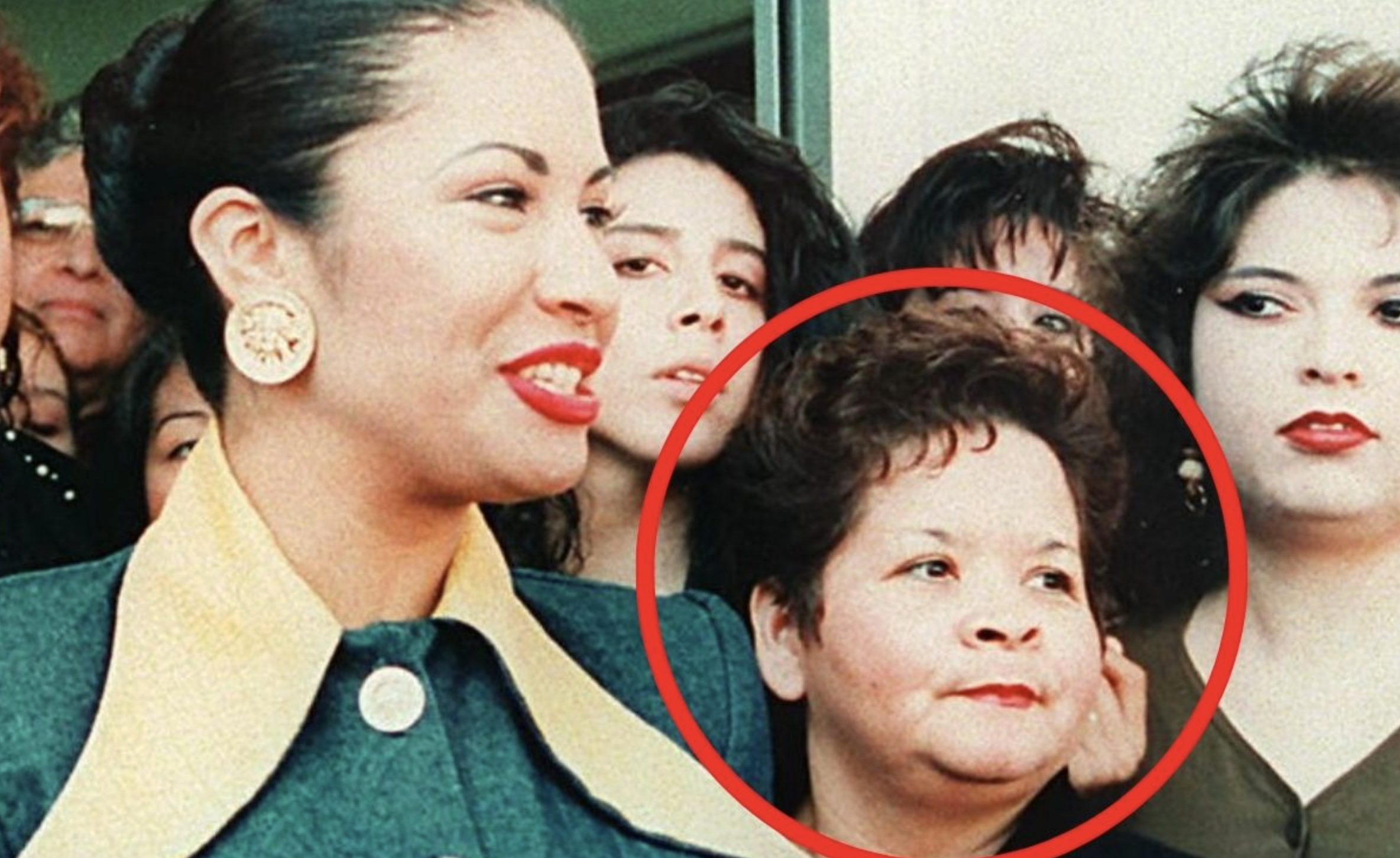
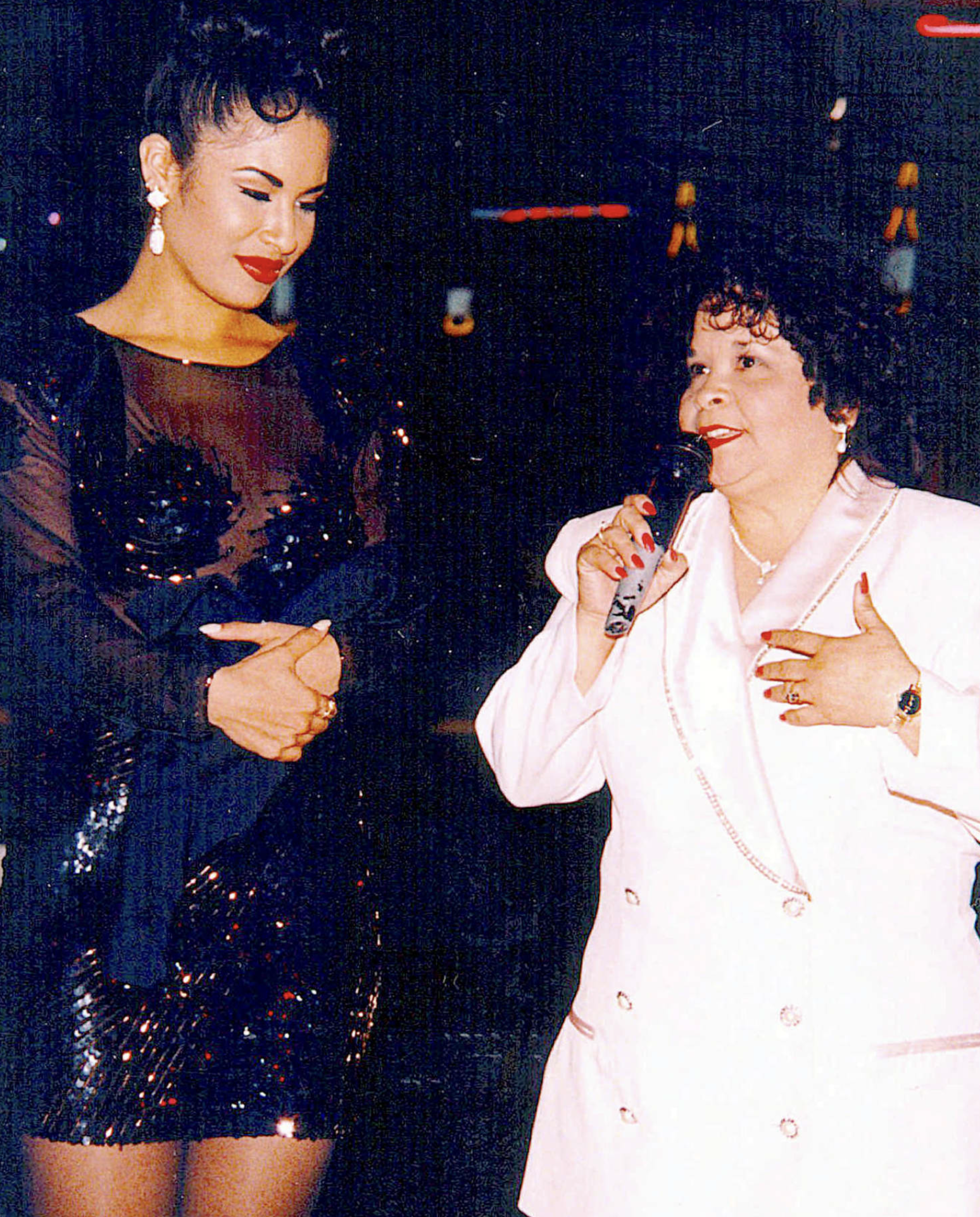
More than 30 years after Selena Quintanilla’s case, Yolanda Saldívar’s statements are once again sparking conversation.

by


 More than three decades after the untimely passing of Selena Quintanilla, one of the most influential Latina artists of all time, her name is once again making headlines.

This time, public interest has been reignited by statements made by Yolanda Saldívar, who was convicted in the case and whose version of events continues to spark reactions among the singer’s fans and the general public.

Every new documentary, interview, or statement related to the case quickly becomes a major topic of discussion among Selena’s fans across social media and in the news.

Who Was Selena Quintanilla?

Selena Quintanilla-Pérez was born on April 16, 1971, in Texas, United States. From a very young age, she displayed extraordinary musical talent. Together with her family, she formed the band Selena y Los Dinos, which launched her journey to becoming the legendary "Queen of Tex-Mex."

With hit songs such as Como la FlorAmor ProhibidoBidi Bidi Bom Bom, and No Me Queda Más, Selena won over Spanish-speaking audiences while also beginning to gain recognition in the English-language music market.

Beyond her music career, she also ventured into the fashion industry by opening her own boutiques and launching business projects that reflected her creativity and entrepreneurial vision.

What Happened Between Selena and Yolanda Saldívar?

Yolanda Saldívar became part of Selena’s inner circle after being appointed president of the singer’s official fan club. Over time, she also became involved in managing some of Selena’s business ventures.

However, their relationship began to deteriorate after questions arose regarding the financial management of both the fan club and Selena’s boutiques.

The situation eventually led to a meeting between the two women on March 31, 1995, at a motel in Corpus Christi, Texas, where the incident that claimed Selena’s life took place when she was only 23 years old. Saldívar was later tried and sentenced to life imprisonment for the case.

The Statements That Put the Case Back in the Spotlight

Interest in the story resurfaced after the release of a documentary in which Yolanda Saldívar shares her version of what happened.

In the documentary, she claims that she never intended to harm Selena and argues that only one side of the story has been told for years. She also says that the public "deserves to know the truth," comments that quickly triggered widespread discussion online.

Many of Selena’s fans criticized the documentary, arguing that the singer’s legacy should remain the true focus rather than the words of the person responsible for her death.

Selena’s Legacy Is Stronger Than Ever

Despite the passing of time, Selena Quintanilla’s influence remains as strong as ever. Her music continues to accumulate millions of streams on digital platforms, her style continues to inspire new artists, and her life story has been featured in documentaries, television series, books, and other productions that introduce her legacy to new generations.

Even today, in cities such as Corpus Christi, where she spent much of her career, thousands of admirers visit landmarks dedicated to preserving the memory of her life and accomplishments every year.

Yolanda Saldívar’s recent statements demonstrate that Selena Quintanilla’s story continues to captivate millions of people around the world and that her legacy will never be forgotten.