
Your resemblance to your mother isn't limited to your physical appearance: your reflexes, your emotions, and even your way of reacting often bear her genetic imprint. Ready to explore these invisible inheritances that shape your daily life without your knowledge?
Mood: an invisible maternal transmission
Have you ever found yourself adopting the same emotional reactions as your mother in stressful situations? Science reveals that this similarity is not a coincidence. The neural circuits responsible for regulating emotions—particularly the corticolimbic network—are frequently passed down from mother to daughter. This biological characteristic could predispose some people to mood swings or anxiety disorders. The good news? Factors such as a stable living environment, nurturing relationships, and a healthy lifestyle can help counterbalance this innate sensitivity.
Sleep: The nocturnal influence of our family heritage
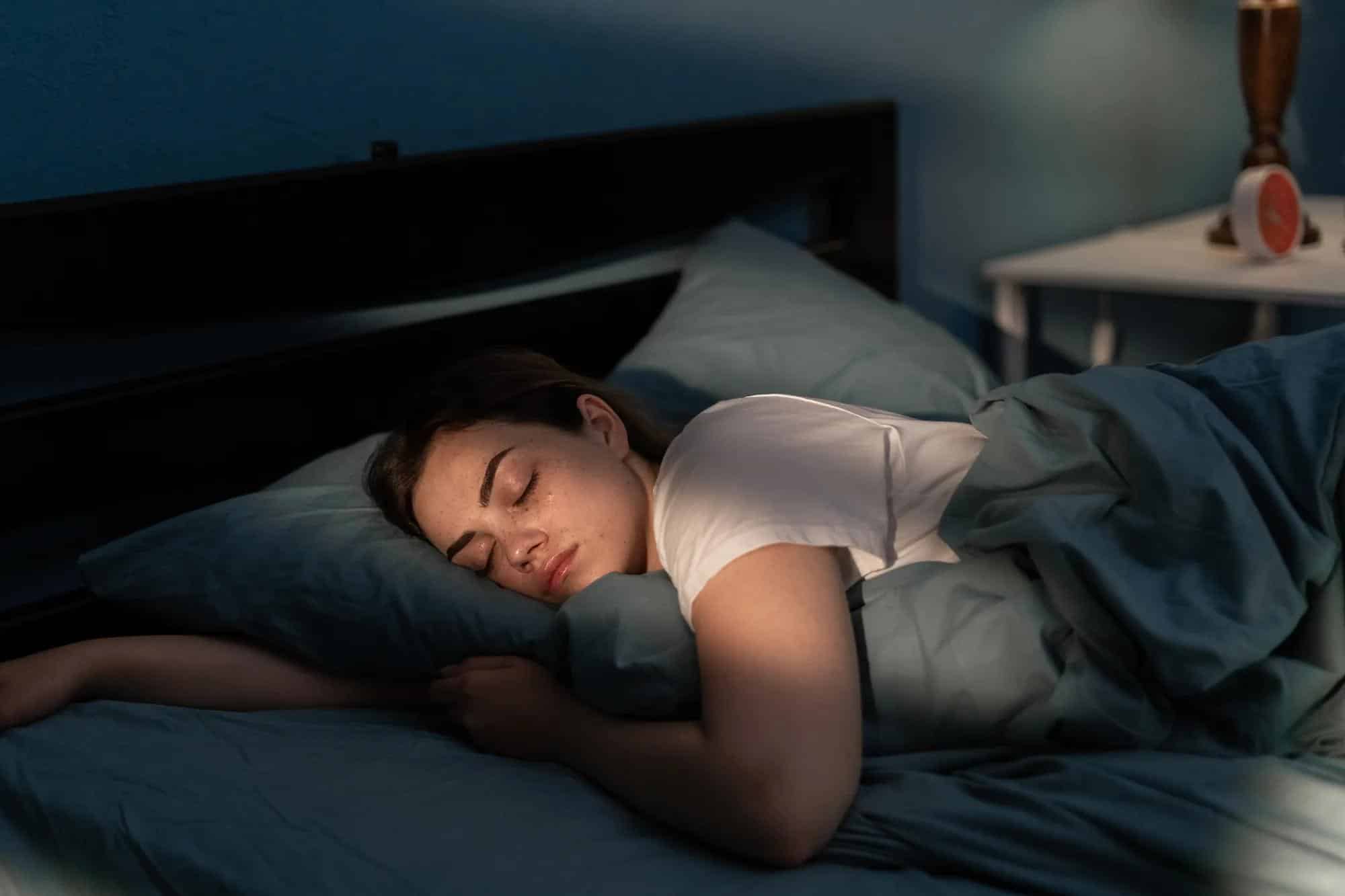
Your difficulty falling asleep or your nighttime awakenings may well have their roots in your family history. Research published in Sleep Medicine establishes a clear link between maternal sleep disorders and those of their offspring. This genetic transmission may even influence your chronotype (early bird or night owl) . To improve your nights, adopt soothing rituals: a cool room temperature, limiting screen time in the evening, and above all, maintaining a consistent bedtime .
Aging: the invisible legacy of our mitochondria

Did you know that your mitochondrial DNA—exclusively inherited from your mother—plays a crucial role in the aging process? This unique genetic heritage acts like an invisible conductor, influencing your vitality, skin radiance, and resistance to age-related conditions. Think of it as a biological battery whose autonomy depends on your maternal lineage.
Metabolism: when genetics influences the balance
Despite a balanced diet and regular physical activity, is weight loss still a challenge? Your metabolism may bear the imprint of your maternal heritage. Certain genes passed down from your mother influence how your body manages fat reserves and converts energy. However, wise dietary choices and appropriate physical activity can partially rewrite this genetic script.
Attention and impulsivity: inherited neural circuits
ADHD (Attention Deficit Hyperactivity Disorder) sometimes stems from specific serotonin production patterns inherited from the maternal line. These characteristics can manifest as difficulty concentrating, complex emotional regulation, or impulsive reactions. In affected families, increased vigilance allows for the early detection of these signs and the implementation of personalized support.
Pain thresholds: between genetics and learning
Why do some people seem insensitive to pain while others react strongly to the slightest stimulus? This individual variability is thought to originate in our genetic makeup. If your mother has a high pain tolerance, you are statistically more likely to inherit it. Scientists attribute this trait to differences in the processing of nerve impulses— a biological programming sometimes encoded in our genes.
Menstrual cycle: the family biological calendar
The age of first menstruation or menopause often follows marked family patterns. Early or late menopause in your mother increases the likelihood that you will experience a similar timing. This valuable information can help you anticipate certain health choices and better understand how your own body works.
Cognitive abilities: the maternal intellectual imprint

A study conducted in Scotland has demonstrated a significant correlation between a mother's IQ and that of her children. While environment and education play a crucial role, maternal genes appear to be particularly influential in this area. Intriguingly, their impact may even surpass that of paternal genes! This discovery underscores the importance of maternal inheritance, without, however, determining an immutable destiny.
Breast morphology: the bodily inheritance
Breast size and shape are often a recognizable family trait. This physical characteristic depends on factors such as the distribution of adipose tissue and glandular density, largely influenced by genetics. Although weight fluctuations or pregnancies can alter this appearance, the underlying structure is determined by inherited DNA.
Humor: the family comedy style
Do you share the same sense of humor as your mother? This similarity is explained less by genetics than by the family's cultural environment . Humor is built through contact with our loved ones, through shared references and observed reactions during childhood. Like an emotional dialect, this particular language is naturally acquired within the family circle.


0 Comments:
Post a Comment