

Bob Weir, the co-founding guitarist and vocalist of the Grateful Dead, was a musician whose influence extended far beyond the stage.
Even after the passing of Jerry Garcia in 1995, Weir remained the heartbeat of the Grateful Dead’s ethos — a living symbol of improvisation, connection, and musical exploration.
For Weir, music was never a static entity; it evolved, breathed, and connected audiences across generations, reflecting both the human spirit and the cultural context of its time.
Early Life and Musical Roots
Born Robert Hall Weir on October 16, 1947, in San Francisco, California, Bob grew up in nearby Atherton, a suburban community that offered him exposure to the burgeoning West Coast music scene.The Grateful Dead circa 1970. The band’s members were quintessential rock hippies — but, a new exhibit reveals, savvy businessmen as wel
From a young age, he showed remarkable interest in music, experimenting with guitar and exploring diverse genres.
Weir’s early musical education was informal yet intense; he spent hours learning chords, studying contemporary folk and blues records, and performing in small local groups.
His precocious talent and dedication would soon pave the way for one of the most influential careers in American music.
The pivotal moment came in the early 1960s when a teenage Weir met Jerry Garcia. Their connection was immediate — both shared a deep curiosity for sound, rhythm, and the emotional resonance of music.
At just 17, Weir joined Garcia and several friends in forming a band initially called the Warlocks, which would later become the Grateful Dead in 1965.
This partnership was transformative, not only for the individuals involved but for the broader trajectory of rock music, improvisational performance, and fan culture.
Formation of the Grateful Dead and the San Francisco Scene
The San Francisco Bay Area in the 1960s was a crucible of musical innovation, social change, and countercultural experimentation. It was here that Weir and the early members of the Grateful Dead developed a sound that blended rock, blues, jazz, folk, and psychedelic influences.
Unlike other bands of the era, their approach did not prioritize hit singles or commercial success. Instead, their identity was forged through live performances, where extended improvisation, audience interaction, and musical exploration were central.
From their earliest gigs in local clubs to the legendary Acid Tests hosted by Ken Kesey, Weir’s guitar playing became a defining element of the band’s sound. His rhythm guitar style was innovative: precise yet flexible, providing harmonic stability while allowing for improvisational freedom.
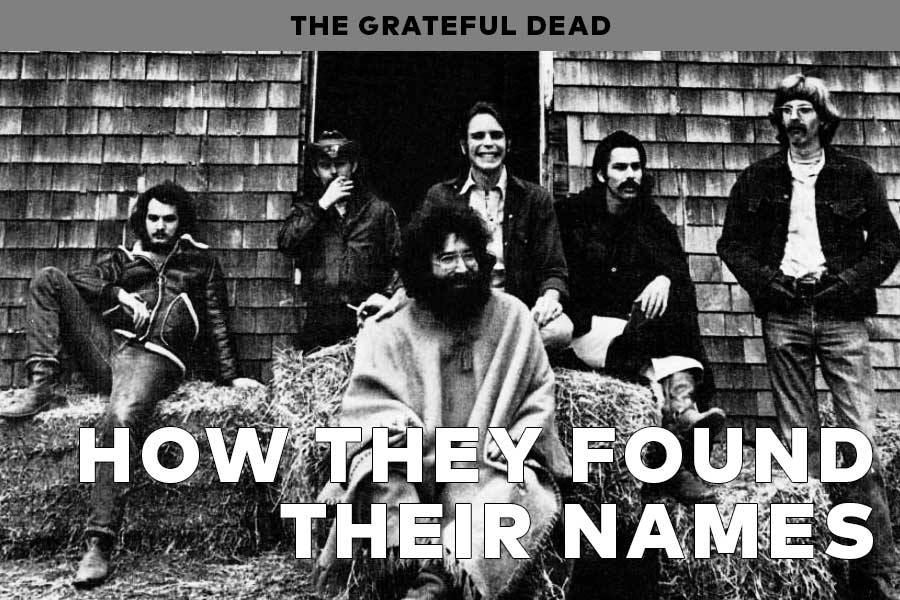
Unlike traditional rhythm guitarists, Weir’s playing created a framework for Garcia, Phil Lesh, Bill Kreutzmann, Mickey Hart, and Ron “Pigpen” McKernan to explore musical ideas live, often spontaneously and unpredictably.
Weir as Songwriter and Vocalist
Bob Weir was more than a guitarist; he was a songwriter and vocalist whose work helped define the Grateful Dead’s repertoire.
His songs often captured the essence of life on the road, the camaraderie among musicians, and the emotional nuances of travel, adventure, and human connection. Some of his most enduring contributions include:
“Sugar Magnolia”: Celebrated for its uplifting melody and joyous lyrics, it became a signature anthem of the Grateful Dead’s free-spirited energy.
“Truckin’”: Known for its refrain “What a long, strange trip it’s been,” the song embodied the nomadic lifestyle of the band and resonated deeply with fans who followed them across the country.
“One More Saturday Night” and “Mexicali Blues”: Showcasing Weir’s versatility, these songs ranged from high-energy rockers to folk-inspired storytelling, demonstrating his ability to adapt his songwriting to diverse styles and moods.
As a vocalist, Weir possessed a distinctive tone that complemented the band’s harmonic textures. His voice carried warmth, clarity, and a sense of spontaneity that enhanced both structured compositions and extended jams.
Together with Garcia and other members, he crafted a sound that was both familiar and unpredictable, grounding the band’s exploratory performances.
The Grateful Dead as a Cultural Phenomenon
The Grateful Dead quickly transcended the role of a conventional rock band. Their concerts were communal experiences, where boundaries between musicians and audience blurred.
Fans, affectionately called Deadheads, formed a dedicated subculture, traveling across states and creating a unique community bound by music, shared values, and collective participation.
Weir understood that this community was an essential part of the band’s identity. He engaged with fans directly, respected their enthusiasm, and cultivated a sense of mutual trust and connection.
This ethos extended beyond performance. It influenced how concerts were conducted, how music was shared, and how fans perceived their relationship to the art.
Weir’s belief that music was a living, breathing force meant that songs were not fixed entities; they evolved with each performance, each audience, and each generation of listeners.


0 Comments:
Post a Comment