
The “3 Don’ts” After Eating and “4 Don’ts” Before Sleep — Simple Habits Linked to Stroke Prevention
Remember the “3 Don’ts” After Meals and “4 Don’ts” Before Bed to Help Reduce Stroke Risk at Any Age
Stroke is often seen as a condition that affects only older adults, but in reality, it can occur at any age. Lifestyle habits play a major role in determining long-term stroke risk, especially daily routines that influence blood pressure, blood sugar, circulation, and sleep quality.
While no single habit can fully prevent a stroke, small, consistent choices made every day can significantly lower risk. Two of the most critical periods are right after meals and just before bedtime. These are moments when the body is especially sensitive to changes in blood flow and metabolism.
Here are the key “don’ts” to keep in mind.
The 3 Don’ts After Meals
1. Don’t Lie Down Immediately After Eating
Lying down right after a meal slows digestion and can cause blood to pool in the digestive system. This may lead to acid reflux, increased blood pressure fluctuations, and reduced circulation to the brain.
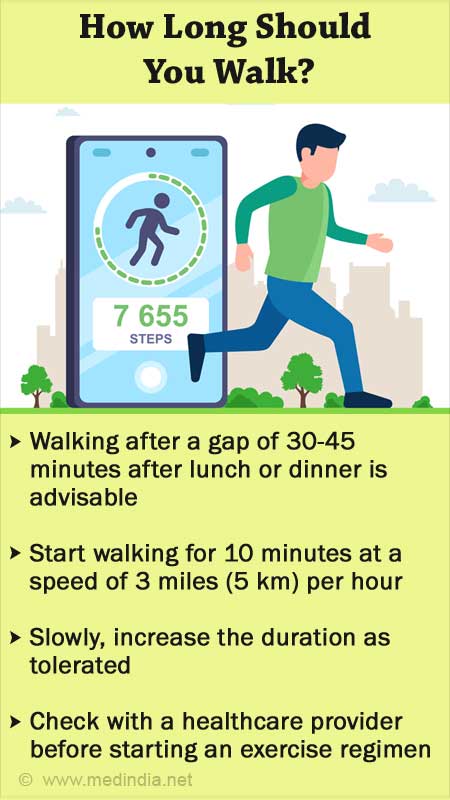
Over time, poor post-meal circulation can place unnecessary strain on the cardiovascular system. Sitting upright or taking a gentle walk for 10–20 minutes allows digestion to proceed smoothly and helps stabilize blood flow.
This habit is especially important for people with high blood pressure, diabetes, or a family history of stroke.


2. Don’t Smoke After Meals
Smoking immediately after eating is particularly harmful. Nicotine causes blood vessels to constrict, while digestion already redirects blood flow to the stomach. This combination can sharply reduce oxygen delivery to the brain and heart.
Studies show that smoking after meals significantly increases oxidative stress and raises the risk of blood vessel damage. Over time, this contributes to plaque buildup and clot formation — both major stroke risk factors.
If quitting feels difficult, delaying smoking for as long as possible after meals is a safer step forward.


0 Comments:
Post a Comment