
If you’re over 60 and noticing that your legs don’t feel as strong as they used to or that a short walk leaves you more tired than it should, you’re not alone. Many people in this stage of life experience gradual shifts in muscle strength and stamina that can make everyday activities feel more challenging. It can be frustrating when simple things like carrying groceries or keeping up with grandchildren start to wear you out faster. But what if small changes in your daily routine could offer some natural support for staying active and feeling more capable? Keep reading because we’re about to share three everyday teas that research suggests may play a helpful role in supporting muscle health and mobility as we age – and the best part is how easy it is to add them to your day.

Why Muscle Health Becomes a Focus After 60
As the years add up, our bodies naturally go through changes. Muscle mass can gradually decrease, and recovery from daily movement sometimes takes a little longer. This is a common part of aging that affects how steady we feel on our feet and how much energy we have for the things we love. The good news? Supporting your body with nourishing habits can make a real difference in how you move through your days.
But here’s where it gets interesting. Simple, soothing rituals like enjoying a warm cup of tea can fit right into your routine without any complicated equipment or expensive supplements. These aren’t magic fixes, but certain teas have caught the attention of researchers looking at ways to support healthy aging.
The Surprising Role of Tea in Everyday Wellness for Adults Over 60
Tea has been enjoyed for centuries for its comforting taste and potential wellness benefits. What makes these three stand out is their natural compounds that studies suggest may help the body manage everyday inflammation, support circulation, and contribute to muscle comfort when paired with a balanced lifestyle.
Research points to antioxidants and anti-inflammatory properties in these teas as gentle allies for older adults who want to stay active. One review of green tea compounds, for example, noted potential support for muscle preservation when combined with regular movement. Turmeric and ginger bring their own well-studied benefits for comfort and recovery.
But that’s not all. The real power comes from making them part of a consistent daily habit. Let’s break down the three teas that are making waves for adults over 60.
Green Tea: A Natural Supporter of Muscle Maintenance
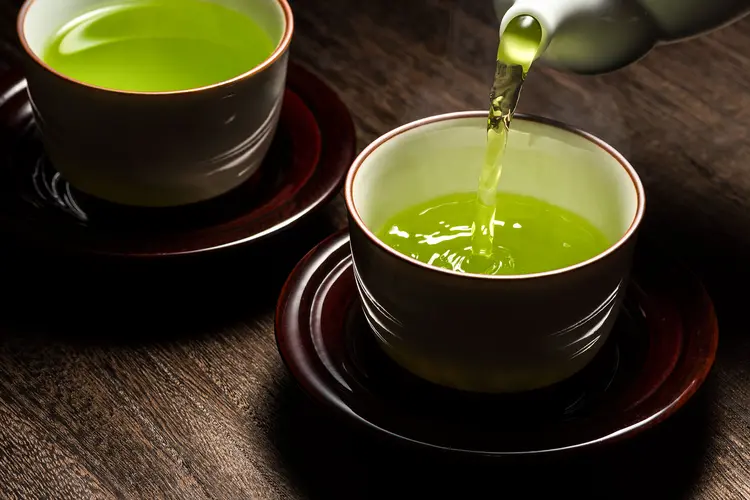
Green tea is one of the most researched beverages on the planet, and for good reason. It contains compounds called catechins, particularly EGCG, that studies suggest may help protect muscle cells from everyday oxidative stress. In research involving older adults, regular green tea consumption showed links to better muscle function when paired with light physical activity.
Here’s the part you’ll love: you don’t need to drink gallons of it. Just one or two cups a day can deliver these supportive compounds in a delicious, calming way. Many people report feeling a gentle boost in energy without the jitters that come from stronger caffeinated drinks.
But wait – green tea does even more. It may also support healthy metabolism, which helps your body use nutrients more efficiently for everyday strength.Key ways green tea may support you:
Helps manage oxidative stress that can affect muscle comfort
Provides a mild natural energy lift for daily movement
Pairs beautifully with light exercise routines
Turmeric Tea: Helping Your Body Feel More Comfortable
Golden Milk (Turmeric Tea)
Turmeric tea, often called golden tea when prepared with a touch of black pepper, is famous for its vibrant color and active compound curcumin. Research has explored curcumin’s role in supporting the body’s natural response to inflammation, which can make a big difference in how joints and muscles feel after age 60.
One study highlighted how turmeric extract may help maintain muscle balance in aging models by supporting healthy inflammatory pathways. For everyday life, this translates to potentially easier movement and less post-activity stiffness.
The secret to unlocking turmeric’s benefits? A pinch of black pepper enhances absorption dramatically. Many seniors enjoy it mid-morning or afternoon as a warming ritual that feels like self-care in a cup.
But here’s the exciting part: turmeric tea doesn’t just taste good – it can become a comforting part of your wind-down routine while contributing to overall wellness.
Simple turmeric tea benefits worth knowing:
Supports the body’s natural comfort mechanisms
May help with everyday joint and muscle ease
Adds a beautiful golden hue that brightens your day
Ginger Tea: Supporting Circulation and Daily Mobility
Ginger root has been used for generations to soothe the body, and modern research backs up why it feels so helpful. Its active compounds, including gingerol, have been studied for their potential to support healthy circulation and reduce temporary muscle discomfort after activity.
For adults over 60, better blood flow means oxygen and nutrients reach muscles more efficiently. Some studies link ginger to improved mobility markers and reduced fatigue in daily tasks. It’s especially popular in the evening because it feels warming and settling without causing drowsiness.
But the real magic happens when you combine it with the other two teas throughout your day. Together they create a gentle, synergistic routine that many people describe as life-changing for how they feel on their feet.
Why ginger tea stands out for active seniors:
Promotes healthy circulation to working muscles
Offers natural soothing properties after movement
Tastes spicy and refreshing, perfect for any season
How These Three Teas Work Together for Better Days
What makes this trio special isn’t any single tea alone – it’s the way they complement each other. Green tea in the morning for gentle energy, turmeric mid-day for comfort support, and ginger in the evening to wind down with better circulation.
Research on combined anti-inflammatory and antioxidant approaches shows they may offer more noticeable support than any one ingredient alone. Of course, results vary from person to person, and these teas work best alongside regular movement, balanced nutrition, and good sleep.
Here’s a quick comparison to help you see the unique strengths:
Tea Key Compound Primary Wellness Support Best Time of Day
Green Tea EGCG catechins Muscle maintenance & gentle energy Morning
Turmeric Tea Curcumin Everyday comfort & inflammatory balance Mid-morning/Afternoon
Ginger Tea Gingerol Circulation & post-activity soothing Evening
Your Step-by-Step Guide to Brewing These Teas at Home
Ready to give these teas a try? Here’s exactly how to prepare them for maximum enjoyment and potential benefits. Each recipe serves one and takes just minutes.
Morning Green Tea
Bring 8 ounces of water to 175°F (not boiling – this preserves delicate compounds).
Add 1 teaspoon loose leaf green tea or one tea bag.
Steep for 2-3 minutes.
Optional: Add a slice of lemon for extra flavor and vitamin C.
Mid-Day Turmeric Tea
Heat 8 ounces of water or unsweetened almond milk.
Stir in ½ teaspoon turmeric powder, a pinch of black pepper, and a dash of cinnamon.
Simmer gently for 5 minutes.
Strain if needed and sweeten lightly with honey if desired.
Evening Ginger Tea
Peel and slice a 1-inch piece of fresh ginger root.
Add to 8 ounces of boiling water.
Steep for 5-10 minutes depending on desired strength.
Strain and enjoy plain or with a touch of honey.
Pro tip: Prepare a big batch of each in the morning and sip throughout the day. Consistency is what matters most.
Actionable Tips to Pair With Your Tea Routine
Drinking these teas is just the start. To get the most from them:
Pair with short daily walks – even 10-15 minutes helps circulation.
Focus on protein-rich meals like eggs, fish, beans, and Greek yogurt to give muscles the building blocks they need.
Stay hydrated – tea counts toward your daily fluid intake.
Try gentle strength movements like chair squats or wall pushes a few times per week.
Track how you feel after two weeks of this simple routine. Many people notice they have more pep in their step.
But here’s the part most people miss: these small habits add up faster than you expect when you stay consistent.
Making This Routine Sustainable for Real Life
Life after 60 is about enjoying every moment, not complicated regimens. These teas fit easily into busy schedules – whether you’re retired, still working, or chasing grandkids. The ritual of boiling water and sipping mindfully can become a peaceful moment just for you.
Many readers tell us they feel more in control of their energy levels after adding this trio. Remember, it’s not about perfection. It’s about small, enjoyable steps that support the active life you want.
Conclusion: Small Sips, Stronger Steps
Supporting muscle health and mobility after 60 doesn’t require drastic changes. These three teas – green, turmeric, and ginger – offer a simple, science-backed way to nurture your body from the inside out. When combined with movement and nourishing food, they can become powerful daily allies for feeling stronger and walking with more confidence.
Start tomorrow with just one cup and build from there. Your future self will thank you for taking this gentle step toward better days ahead.
FAQ
How much of these teas should I drink each day?
Most people do well with 1-2 cups of each spread throughout the day. Listen to your body and start slowly if you’re new to herbal teas.
Can these teas interact with my medications?
Turmeric and ginger can have mild blood-thinning effects, so it’s wise to check with your healthcare provider first, especially if you take blood thinners or other prescriptions.
When might I start noticing benefits?
Many people report feeling a bit more energetic and comfortable within 1-2 weeks of consistent use, though individual results vary. The key is steady daily enjoyment paired with your usual activity.
Disclaimer
This article is for informational purposes only and is not intended as medical advice. Always consult your healthcare provider before making any changes to your diet, especially if you have health conditions or take medications. Individual results may vary.


0 Comments:
Post a Comment