
Could your skin be a sign of diabetes? Here are 12 changes you should know about.
12 undetected skin signs that could indicate diabetes
Your skin not only protects your body, but can also provide early clues about internal processes. Many skin changes are harmless, but certain persistent or unusual symptoms can indicate elevated blood sugar levels or diabetes.
It's important to know that skin changes alone do not diagnose diabetes. However, if you notice one or more of these signs, especially in combination with symptoms such as increased thirst, frequent urination, unexplained weight loss, or fatigue, you should talk to your doctor.
Here are 12 inconspicuous skin changes that could indicate diabetes.

1. Dark, velvety skin patches
One of the most noticeable skin changes associated with diabetes is acanthosis nigricans . These dark, thickened, velvety patches often appear on the neck, in the armpits, in the groin, on the elbows or knees.
They are often associated with insulin resistance, a condition in which body cells do not respond effectively to insulin. Although not everyone who wears these patches has diabetes, they may indicate an increased risk.
2. Dry, itchy skin
High blood sugar levels can reduce the body's ability to retain moisture and impair blood circulation, which can lead to dry, flaky, or itchy skin.
Furthermore, prolonged dryness can increase the risk of cracks and make the skin more susceptible to infections.
Adequate skin hydration and blood sugar control can often improve this symptom.
3. Poorly healing cuts and abrasions
If small cuts, abrasions, or blisters take significantly longer than usual to heal, poor blood circulation and nerve damage related to diabetes may be possible causes.
Delayed wound healing also increases the risk of infection, which is why proper wound care is particularly important.
4. Frequent skin infections
People with diabetes may have an increased risk of bacterial or fungal skin infections.
These infections can cause the following symptoms:
- Red, swollen skin
- Warm, delicate areas
- Itchy skin rashes
- Recurrent yeast infections
- Boils or painful bumps
Repeated infections should always be examined by a doctor.
5. Small yellowish bumps
These firm, yellow nodules with a reddish halo, known as eruptive xanthomatosis , can develop when blood sugar and triglyceride levels are very high.
They often appear on the arms, legs, buttocks or back and can be itchy.
Although rare, they require immediate medical treatment.
6. Thick or tight skin
In some people with long-term diabetes, the skin becomes thick, waxy, or unusually tight.
This often affects the fingers, hands, or toes, making mobility increasingly difficult over time.
Less frequently, but still possible, it suggests changes in connective tissue related to diabetes.
7. Spots on the shins
Diabetic dermopathy causes small, round or oval brown spots that often appear on the front of the lower legs.
These spots usually do not hurt or itch and often resemble age spots.
Although harmless, they can reflect changes in the small blood vessels.
8. Blisters that appear without injury
Rarely, people with diabetes develop painless blisters on their hands, feet, legs, or forearms.
These blisters can resemble burn blisters, but often heal on their own within a few weeks.
Nevertheless, they should be examined by a doctor to rule out other illnesses.
9. Skin appendages
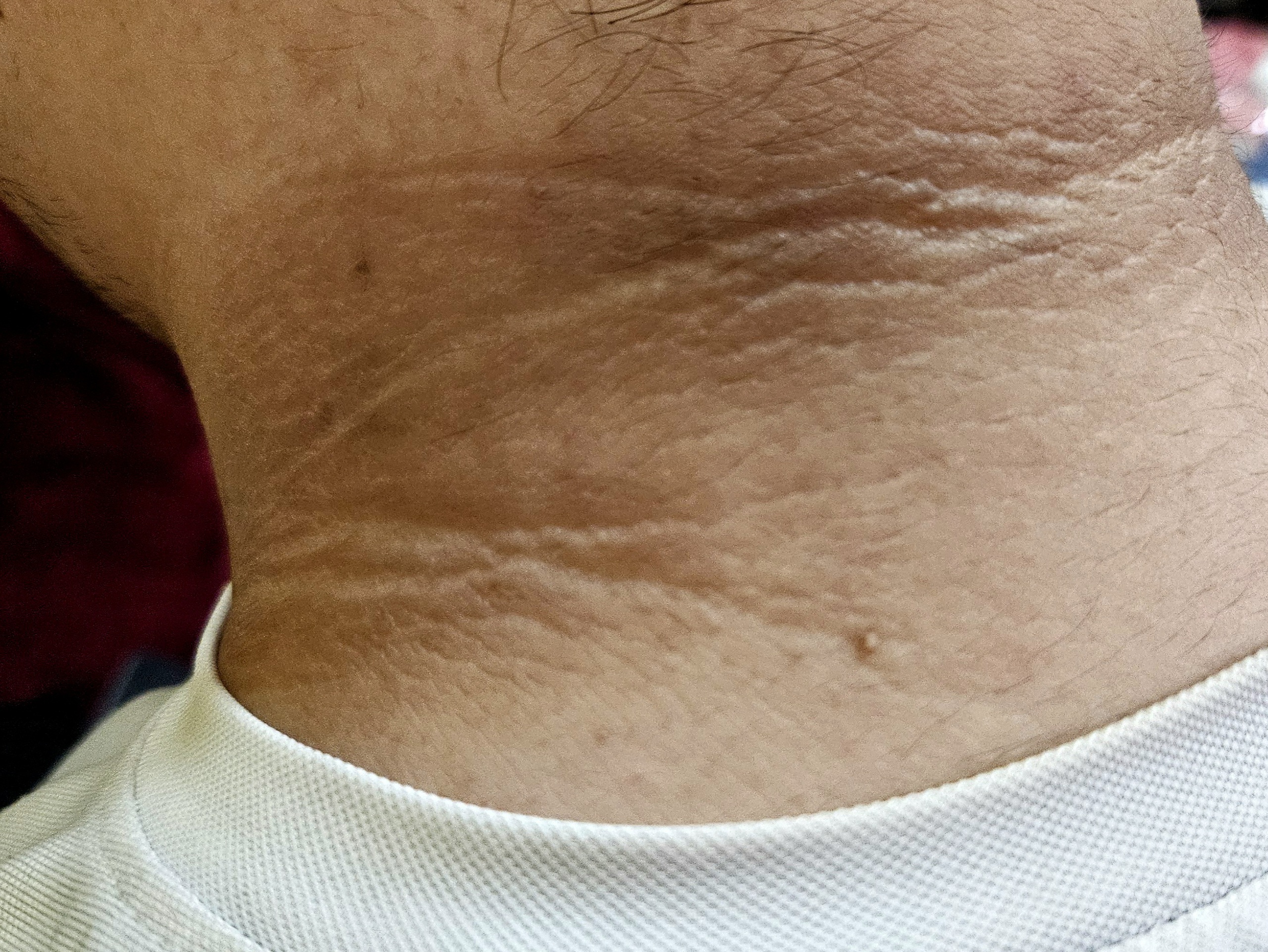
A few skin tags are common and usually harmless.
However, some studies have found a link between the development of numerous skin tags – especially in the neck area, under the armpits or on the eyelids – and insulin resistance.
This may be one of several clues that warrant further investigation.
Continue reading by clicking the (NEXT 》) button below!
10. Persistent redness or swelling in the area of the feet
Diabetes can impair blood circulation and sensation in the feet.
Redness, swelling, a feeling of warmth, or sores that do not improve may indicate an infection or reduced blood flow and should never be ignored.
Regular foot checks are especially important for people with diabetes.
11. Yellowish skin
Some people with poorly controlled diabetes may experience a yellowish discoloration of the skin.
This can be caused by changes in the way the body processes certain substances, although many other diseases can also cause yellowing of the skin.
A doctor can help determine the underlying cause.
12. Constant itching without any apparent cause
Generalized itching can be caused by dry skin, circulatory disorders, or nerve changes associated with diabetes.
If the itching persists despite proper skin care, you should discuss this with your doctor, especially if it is accompanied by other possible symptoms of diabetes.
When should you see a doctor?
Most skin changes are not caused by diabetes.
However, you should consider a medical examination if you notice the following:
- Several of these skin changes occur simultaneously.
- Symptoms that persist or worsen
- Frequent infections
- Slow-healing wounds
- Increased thirst
- Frequent urination
- Unexplained fatigue
- Blurred vision
- Unintentional weight loss
A simple blood sugar test can often help determine whether diabetes or prediabetes is present.
Protect your skin and your overall health
Whether you have diabetes or not, these healthy habits can support your skin:
- Keep your skin clean and moisturized.
- Make sure you drink enough fluids.
- Eat a balanced diet with plenty of vegetables, whole grain products and lean protein.
- Exercise regularly.
- Avoid smoking.
- If you have diabetes, examine your feet daily.
- Follow your doctor's recommendations for blood sugar control.
Conclusion
Sometimes the skin can reflect changes inside the body long before other symptoms become visible. While these twelve skin changes don't confirm a diabetes diagnosis, they can be a reason to seek medical advice early.
Early diagnosis and proper treatment can reduce the risk of serious complications and improve long-term health. If you notice persistent or unusual skin changes, don't ignore them – talk to your doctor for a thorough examination.


0 Comments:
Post a Comment